Master Digital Distraction: Achieve 25% Reduction by Mid-2026

Master Digital Distraction: Achieve 25% Reduction by Mid-2026
In our hyper-connected world, the constant ping of notifications, the endless scroll of social media feeds, and the allure of digital entertainment have created an environment where sustained focus is a rare commodity. We are constantly bombarded, and our attention spans are shrinking. This isn’t just a minor inconvenience; it’s a significant impediment to productivity, creativity, mental well-being, and even our relationships. The good news is that you don’t have to surrender to the digital tide. This comprehensive guide will provide you with a practical, actionable roadmap to reduce digital distractions by a measurable 25% by mid-2026, empowering you to reclaim your focus, boost your productivity, and enhance your overall quality of life.
The goal of a 25% reduction isn’t arbitrary. It’s a significant yet achievable target that, when met, will yield noticeable improvements in your daily life. It’s about making conscious choices, building healthier habits, and leveraging tools to support your journey towards a more focused existence. This isn’t about completely abandoning technology; it’s about mastering it, rather than being mastered by it.
Understanding the Landscape of Digital Distraction
Before we can effectively combat digital distractions, we need to understand their nature and how they impact us. Digital distractions manifest in various forms, from the obvious (social media, endless news feeds) to the subtle (background tabs, email notifications, instant messaging). Each ‘ping’ or ‘scroll’ carves a small piece out of our concentration, leading to what’s known as ‘attention residue’ – the lingering thought of a previous task or notification that hinders our ability to fully engage with the current one.
The average person checks their phone dozens of times a day, and a significant portion of this is driven by habit and a fear of missing out (FOMO). Our brains are hardwired for novelty and reward, and digital platforms are expertly designed to exploit these tendencies, creating addictive feedback loops. Understanding this psychological underpinning is the first step towards breaking free.
The Hidden Costs of Constant Connectivity
- Decreased Productivity: Each interruption can take an average of 23 minutes and 15 seconds to recover from, according to a study by the University of California, Irvine. This staggering figure highlights the immense impact on our work and personal projects.
- Reduced Cognitive Function: Constant task-switching and shallow engagement can impair our ability to think deeply, solve complex problems, and retain information.
- Increased Stress and Anxiety: The pressure to be constantly ‘on’ and responsive, coupled with the comparison culture of social media, contributes to heightened stress levels and anxiety.
- Impact on Relationships: ‘Phubbing’ (phone snubbing) has become commonplace, damaging real-world interactions and connections.
- Sleep Deprivation: Blue light from screens interferes with melatonin production, disrupting sleep cycles and leading to fatigue.
Recognizing these costs is crucial for motivating yourself to reduce digital distractions. It’s not just about getting more done; it’s about living a healthier, more fulfilling life.
Setting Your Baseline: Where Do You Stand?
To achieve a 25% reduction, you first need to know your starting point. This involves a period of honest self-assessment and tracking. Without understanding your current habits, setting realistic goals and measuring progress becomes impossible.
Step 1: Track Your Digital Usage
For one to two weeks, meticulously track your digital device usage. Many smartphones and operating systems now include built-in screen time trackers (e.g., Apple’s Screen Time, Google’s Digital Wellbeing). Utilize these tools to gain insights into:
- Total screen time per day/week.
- Time spent on specific apps (social media, news, entertainment).
- Number of times you pick up your phone.
- Number of notifications received.
If your device doesn’t have robust built-in features, consider third-party apps like RescueTime, Forest, or Freedom. The key is to get an accurate picture of your current digital consumption. Be honest with yourself; the data is for your benefit, not for judgment.
Step 2: Identify Your Main Distraction Triggers
While tracking your usage, pay close attention to *why* you pick up your device or get sidetracked. Is it:
- Boredom? (e.g., waiting in line, during a lull in work)
- Stress or anxiety? (e.g., seeking an escape or comfort)
- Social obligation? (e.g., feeling compelled to respond immediately)
- Habit? (e.g., instinctively checking your phone when you sit down)
- Work-related notifications? (e.g., emails, Slack messages)
Understanding these triggers is paramount because it allows you to address the root cause, rather than just the symptom, of your digital distraction habits.
Step 3: Calculate Your Target
Once you have your baseline data, calculate your 25% reduction target. For example, if you currently spend 4 hours a day on non-essential digital activities, your goal would be to reduce that to 3 hours a day. Break this down into weekly or monthly targets to make it more manageable.
Actionable Strategies to Reduce Digital Distractions
Now that you understand your current habits and have a clear target, let’s dive into practical, implementable strategies to help you reduce digital distractions effectively.
Strategy 1: Optimize Your Device Settings
Your smartphone and computer are powerful tools, but their default settings are often designed for maximum engagement, not maximum focus. Take control by adjusting them.
A. Tame Notifications
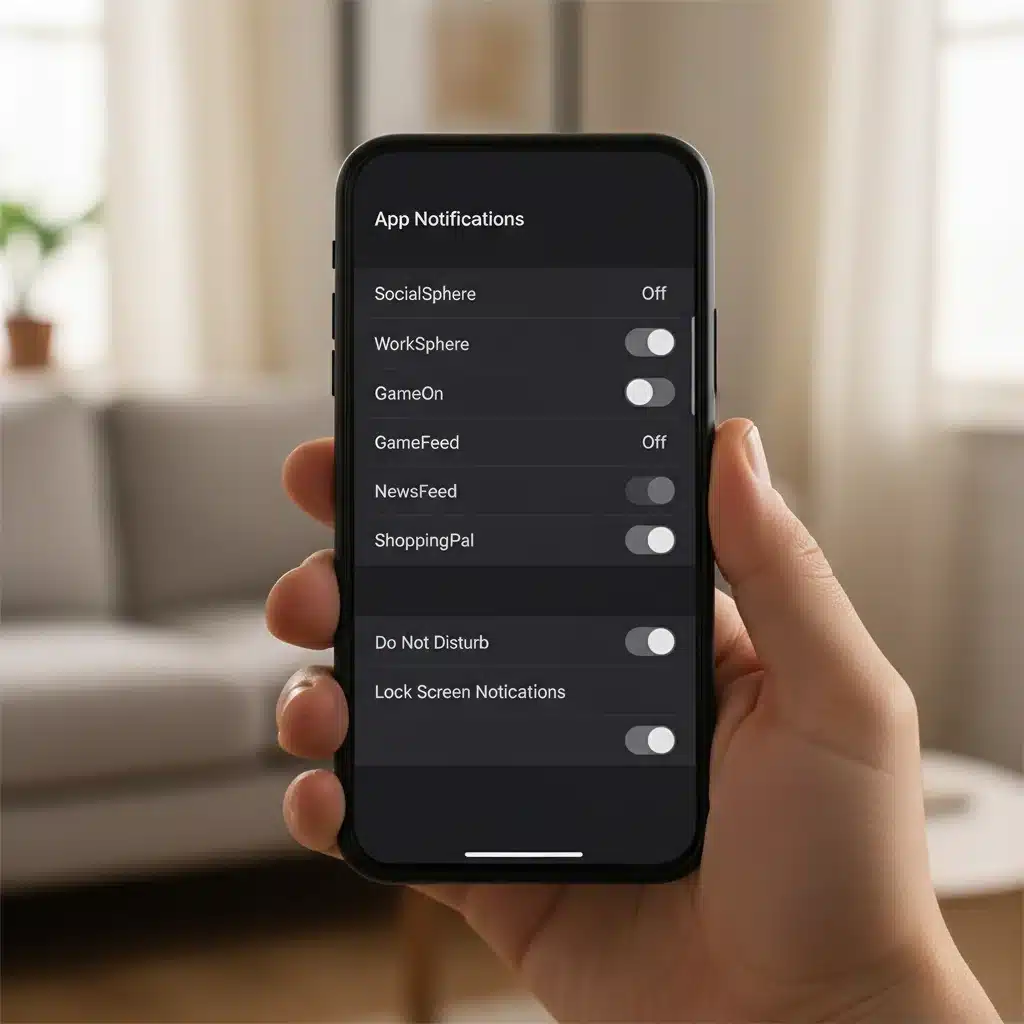
This is arguably the most impactful step. Notifications are constant interruptions that pull you away from your current task. Take a systematic approach:
- Disable Most Notifications: Go through every app on your phone and disable notifications for anything that isn’t absolutely essential (e.g., calls, urgent messages from key contacts). Do you really need a notification for every ‘like’ on Instagram or every news update? Probably not.
- Batch Notifications: For apps where you need to see updates but not instantly, consider turning off push notifications and instead checking them at designated times (e.g., once or twice a day for social media, three times a day for email).
- Use Do Not Disturb/Focus Modes: Learn to use your device’s ‘Do Not Disturb’ or ‘Focus’ modes. Schedule them to activate automatically during work hours, sleep, or dedicated focus periods. Allow only essential contacts to break through.
B. Declutter Your Home Screen
The fewer tempting icons you see, the less likely you are to open distracting apps. Organize your apps into folders, move distracting apps to less accessible screens, or even remove them from your home screen entirely. Consider using a minimalist home screen setup.
C. Gray Scale Mode
Experiment with turning your phone screen to grayscale. The vibrant colors that make apps so appealing are gone, reducing their allure and making them less addictive.
Strategy 2: Cultivate Mindful Digital Habits
Beyond settings, developing conscious habits around your digital usage is crucial for long-term success in reducing digital distractions.
A. Implement "No-Phone Zones" and "No-Phone Times"
- Bedrooms: Make your bedroom a phone-free sanctuary. Invest in an alarm clock and charge your phone in another room. This significantly improves sleep quality.
- Meals: Enjoy meals with family and friends without the interruption of screens. This fosters better conversation and connection.
- First and Last Hour: Avoid checking your phone for the first hour after waking up and the last hour before going to bed. This allows for a more mindful start and end to your day.
B. Practice Intentional Usage
Before picking up your phone or opening a browser, ask yourself: "What is my specific purpose for using this device right now?" If you don’t have a clear answer, put it down. This simple question can dramatically reduce impulsive, mindless usage.
C. Schedule Digital Breaks (and Real Breaks)
Instead of constantly checking your devices, schedule specific times for digital engagement. For example, allow yourself 15 minutes of social media time during your lunch break. Crucially, also schedule non-digital breaks to step away from screens entirely. Go for a walk, read a book, or engage in a hobby.
Strategy 3: Leverage Productivity Tools and Techniques
A variety of tools and established techniques can help you stay focused and minimize the urge to check your devices.
A. Website Blockers and App Limits
Install browser extensions or apps (e.g., Freedom, Cold Turkey, StayFocusd) that block distracting websites and apps during specific periods. Set strict time limits for apps you tend to overuse.
B. The Pomodoro Technique
This time management method involves breaking down work into 25-minute intervals, separated by short breaks. During each 25-minute ‘Pomodoro,’ commit to absolute focus on a single task, with no digital distractions. The structured breaks help to prevent burnout and provide an opportunity to briefly check essential communications if necessary.
C. Create a Dedicated Workspace
If possible, create a physical workspace that is free from digital clutter and distractions. Turn your phone face down or keep it out of arm’s reach. A clean, organized environment fosters a clear, focused mind.
Strategy 4: Address the Root Causes of Distraction
Often, digital distraction is a symptom of underlying issues like boredom, stress, or a lack of clarity about tasks. Addressing these root causes can significantly help you reduce digital distractions.
A. Plan Your Day/Week
A clear plan of action reduces the likelihood of feeling overwhelmed or unsure of what to do next, which often leads to mindlessly picking up your phone. Use a planner, calendar, or task management app to outline your priorities and tasks.
B. Embrace Boredom
In our always-on culture, we’ve lost the art of being bored. However, boredom is a catalyst for creativity and introspection. Instead of immediately reaching for your phone when you have a spare moment, allow yourself to simply be. Observe your surroundings, let your mind wander, or engage in a non-digital activity.
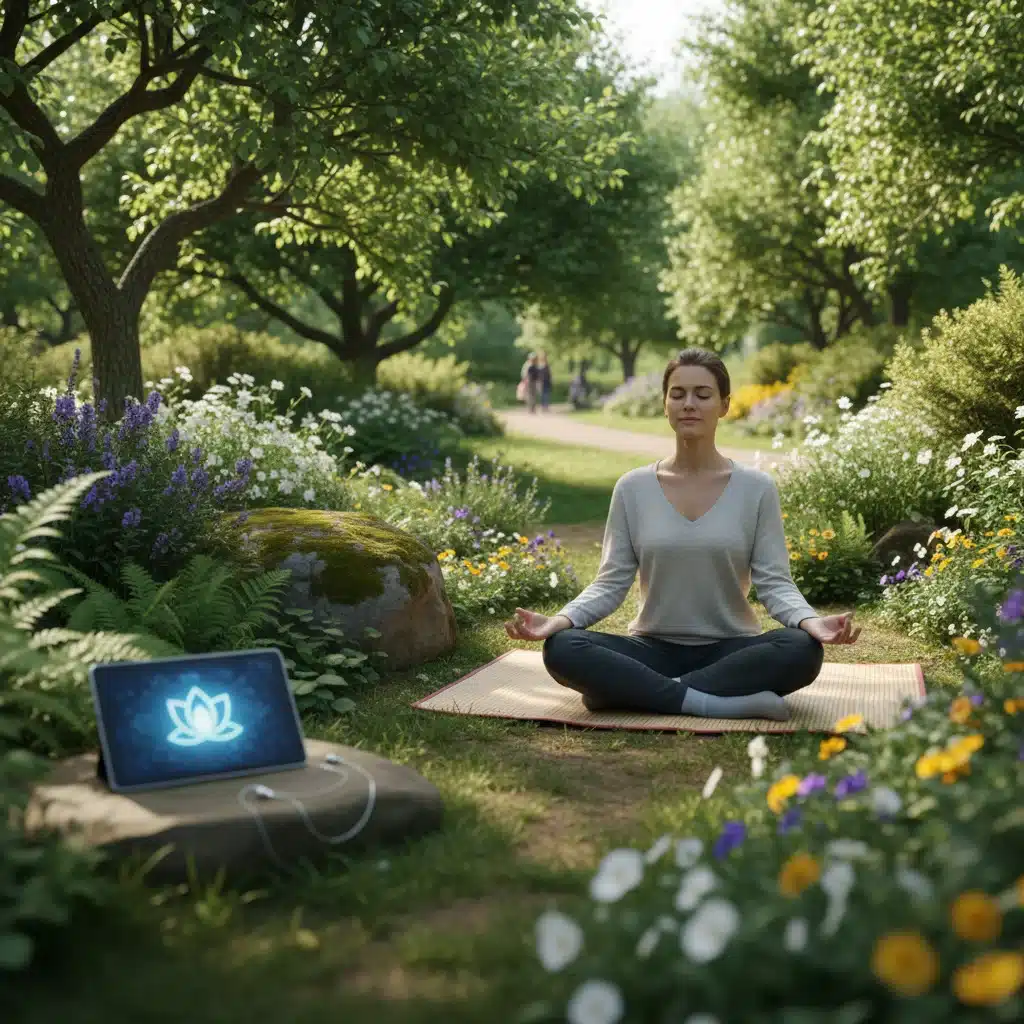
C. Practice Mindfulness and Meditation
Mindfulness helps you become more aware of your urges and impulses without immediately acting on them. Regular meditation can train your attention span and improve your ability to stay present, making you less susceptible to digital interruptions.
Measuring Progress and Staying Motivated
Achieving a 25% reduction in digital distractions by mid-2026 is a marathon, not a sprint. Consistent effort and a system for tracking your progress are essential.
Regularly Review Your Usage Data
Revisit your screen time reports weekly or monthly. Compare your current usage against your baseline and your target. Celebrate small victories and identify areas where you can improve further. Seeing tangible evidence of your progress is a powerful motivator.
Adjust and Iterate
Not every strategy will work perfectly for everyone. Be flexible and willing to adjust your approach. If a particular app limit feels too restrictive, try a different one. If a ‘no-phone zone’ isn’t working, analyze why and adapt. The goal is sustainable change, not perfection.
Find an Accountability Partner
Share your goal with a friend, family member, or colleague. An accountability partner can provide encouragement, share tips, and help you stay on track. You could even challenge each other to reduce digital distractions together.
Reward Yourself (Non-Digitally!)
When you hit milestones (e.g., reducing usage by 5%, then 10%, then 15%), reward yourself with non-digital activities that you enjoy. This reinforces positive behavior and strengthens your commitment to the goal.
Common Pitfalls and How to Overcome Them
The journey to reduce digital distractions isn’t always smooth. Be aware of common challenges and prepare strategies to overcome them.
The "Just One More Check" Trap
This is the insidious urge to just quickly check an email, a social media feed, or a news update. It often leads to a rabbit hole of distraction. Combat this by implementing strict time limits or by reminding yourself of your intentional usage rule: "What is my specific purpose?"
Fear of Missing Out (FOMO)
FOMO is a powerful psychological driver. Remind yourself that what you might be missing online is often trivial compared to what you gain by being present in your real life, focusing on your work, or connecting with loved ones. The fear is often greater than the reality.
Relapse and Discouragement
You will have days where you slip up. Don’t let a single relapse derail your entire effort. Acknowledge it, learn from it, and recommit to your goal. Self-compassion is key. Tomorrow is a new day to start fresh.
Work-Related Digital Demands
For many, digital tools are integral to their work. This doesn’t mean you can’t reduce digital distractions. Focus on optimizing work-related digital use:
- Batch email checking: Designate specific times to check and respond to emails instead of having your inbox open all day.
- Communicate boundaries: Let colleagues know your availability for instant messaging and when you need uninterrupted focus time.
- Close unnecessary tabs: When working on a specific task, close all other browser tabs that aren’t directly relevant.
The Long-Term Benefits of Reduced Digital Distraction
By successfully reducing your digital distractions by 25% by mid-2026, you’re not just cutting down on screen time; you’re investing in a more fulfilling life. The benefits extend far beyond immediate productivity gains:
- Enhanced Mental Clarity: A less cluttered digital life leads to a less cluttered mind, fostering clearer thinking and decision-making.
- Improved Well-being: Reduced stress, anxiety, and comparison leads to greater peace of mind and self-acceptance.
- Deeper Relationships: Being present with others strengthens bonds and creates more meaningful interactions.
- Increased Creativity and Innovation: Allowing your mind space to wander, free from constant input, is essential for creative thought.
- Better Sleep: Limiting screen time before bed significantly improves sleep quality, leading to more energy and better mood.
- More Time for What Matters: Reclaim hours each week to dedicate to hobbies, learning, exercise, or simply being.
Conclusion: Your Roadmap to a More Focused Future
The journey to reduce digital distractions is a personal one, but it is achievable and profoundly rewarding. By understanding the problem, setting a clear goal, implementing actionable strategies, and consistently tracking your progress, you can take control of your digital life. Remember, the 25% reduction by mid-2026 is a significant step towards a more focused, productive, and ultimately, happier you.
Start today by choosing one small change from this guide. Perhaps it’s disabling non-essential notifications, or maybe it’s implementing a ‘no-phone-in-the-bedroom’ rule. Each small step builds momentum towards your larger goal. Embrace the process, be patient with yourself, and look forward to a future where you dictate your attention, not your devices.
What’s your first step to reclaim your focus? Share your thoughts and strategies in the comments below!