Master Your Focus: Practical Steps to Create a No-Distraction Workspace for Peak Productivity
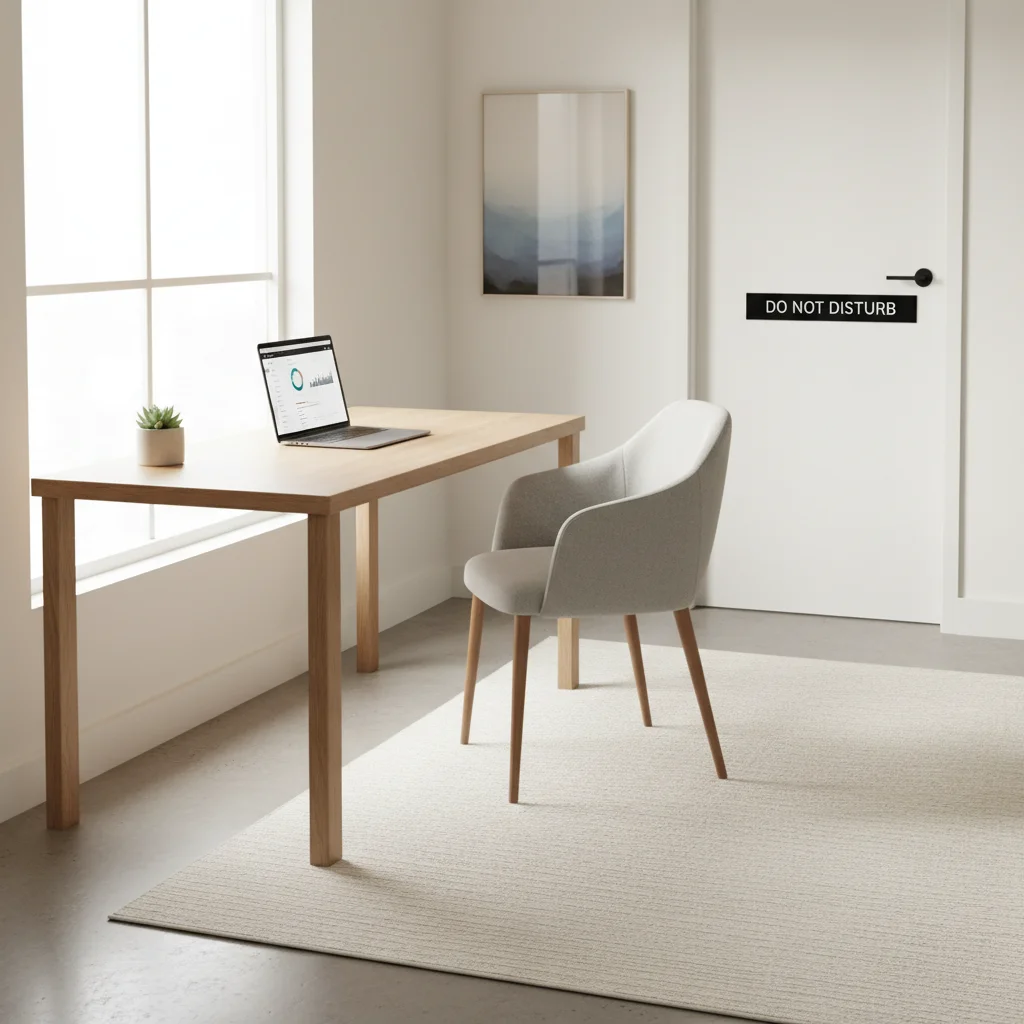
In our increasingly interconnected world, the concept of a no-distraction workspace might seem like an elusive dream. Notifications ping, emails demand attention, and the siren song of social media is always just a click away. Yet, for anyone striving for peak productivity, deep work, and sustained concentration, cultivating such an environment is not merely an advantage – it’s a necessity. Imagine boosting your concentration by a remarkable 30% in 2026 – this isn’t just wishful thinking; it’s an achievable goal with the right strategies and a dedicated approach to your work environment.
The modern professional faces an unprecedented barrage of interruptions. Studies consistently show that it can take an average of 23 minutes to regain focus after a distraction. Multiplied across a typical workday, this lost time quickly accumulates, eroding productivity and increasing stress. This article is your comprehensive guide to reclaiming your focus. We will delve into practical, actionable steps to transform your current workspace, whether it’s a dedicated office, a corner of your living room, or a flexible co-working space, into a sanctuary of concentration. By systematically addressing physical, digital, and even psychological distractions, you can create a no-distraction workspace that empowers you to achieve more, with less effort, and significantly less stress.
We’ll explore everything from the foundational principles of decluttering and ergonomic setup to advanced techniques for digital mindfulness and boundary setting. Our goal is to equip you with the knowledge and tools to not just minimize distractions, but to proactively design an environment that fosters deep work and sustained attention. Prepare to embark on a journey that will not only boost your output but also enhance the quality of your work and your overall well-being. Let’s build your ultimate no-distraction workspace.
Understanding the Enemy: The Nature of Distractions
Before we can effectively combat distractions, we must first understand their nature. Distractions come in many forms, both external and internal, and recognizing them is the first step towards creating a no-distraction workspace. External distractions are often the most obvious: the incessant notifications from your phone, the chatty colleague, the background noise from traffic or construction, or even the visual clutter on your desk. These are tangible interruptions that pull your attention away from your primary task.
Internal distractions, while less visible, can be equally, if not more, disruptive. These include wandering thoughts, worries about personal issues, hunger, fatigue, or even the urge to check social media out of habit. Sometimes, internal distractions can manifest as ‘productive procrastination’ – the feeling that you ‘should’ be doing something else, even if that something else isn’t your most important task. Understanding this dual nature of distractions is crucial for developing a holistic strategy for your no-distraction workspace.
The impact of these distractions is profound. Each interruption not only breaks your concentration but also incurs a ‘re-focusing cost.’ This cost isn’t just about the time spent addressing the distraction; it’s also about the cognitive energy expended to switch tasks and then switch back, and the subsequent dip in performance as your brain struggles to regain its previous state of flow. This constant context-switching is a significant enemy of deep work and high-quality output. Therefore, the goal of a no-distraction workspace isn’t just about removing irritants, but about optimizing your cognitive environment for sustained, high-level performance.
The Science Behind Distraction and Focus
Our brains are not designed for constant multi-tasking, despite what modern work culture often demands. Research in cognitive psychology reveals that what we perceive as multi-tasking is often rapid task-switching, which is inefficient and depletes cognitive resources. When you’re constantly shifting attention between tabs, emails, and conversations, you’re not doing multiple things at once; you’re doing one thing poorly, then another thing poorly, and so on. This fragmented attention hinders the brain’s ability to form deep connections and process information thoroughly, which is essential for creative problem-solving and complex tasks.
Furthermore, our brains are wired to respond to novelty and threats, making us highly susceptible to external stimuli. A new notification, a sudden sound, or a flickering light can instantly hijack our attention, triggering an evolutionary response that prioritizes immediate environmental changes. In a work context, this can be detrimental. Creating a no-distraction workspace involves consciously overriding these primal responses by creating an environment that minimizes these attention-grabbing triggers and encourages a state of focused calm.
The prefrontal cortex, responsible for executive functions like planning, decision-making, and sustained attention, is particularly vulnerable to overload when bombarded with distractions. By reducing the cognitive load imposed by constant interruptions, we free up this vital part of the brain to engage in higher-level thinking. This understanding underscores the importance of a deliberate approach to designing your no-distraction workspace, moving beyond simple fixes to a more strategic, brain-friendly setup.
Phase 1: The Physical Environment – Declutter and Design
The most immediate and tangible step towards a no-distraction workspace begins with your physical surroundings. A cluttered desk often reflects a cluttered mind, and vice versa. Visual chaos can be a constant source of low-level distraction, pulling your eyes and thoughts away from your primary task. The goal here is not necessarily minimalism for its own sake, but rather intentionality in what occupies your immediate work area.
1. The Desk: Your Command Center
Your desk is the epicenter of your productivity. Start by removing everything that isn’t essential for the task at hand. Ask yourself: ‘Do I need this item right now?’ If the answer is no, find a designated home for it elsewhere. This includes unnecessary papers, outdated notes, personal trinkets, and even extra pens you won’t use. A clean desk surface signals to your brain that it’s time to focus. Consider a ‘clean desk policy’ for yourself at the end of each workday, ensuring you start fresh every morning in your no-distraction workspace.
- Essential Tools Only: Keep only the tools you use daily within arm’s reach (e.g., keyboard, mouse, monitor, a notebook, and a single pen).
- Storage Solutions: Utilize drawers, shelves, and organizers to keep less frequently used items neatly stored but accessible. Vertical storage can be particularly effective in maximizing space.
- Cable Management: Untidy cables are a visual mess and can be a tripping hazard. Invest in cable ties, sleeves, or desk grommets to keep wires out of sight and mind.
2. Optimize Lighting
Good lighting is crucial for reducing eye strain and maintaining alertness. Natural light is always preferable, so position your desk near a window if possible. Avoid direct glare on your screen. If natural light is limited, invest in a good quality desk lamp that provides adjustable, diffused light. Warm, soft light can create a calming atmosphere, while brighter, cooler light can promote alertness. Experiment to find what works best for your no-distraction workspace.
3. Sound Control
Auditory distractions are among the most pervasive. While complete silence might be impossible or even undesirable for some, minimizing disruptive sounds is key. Here are some strategies:
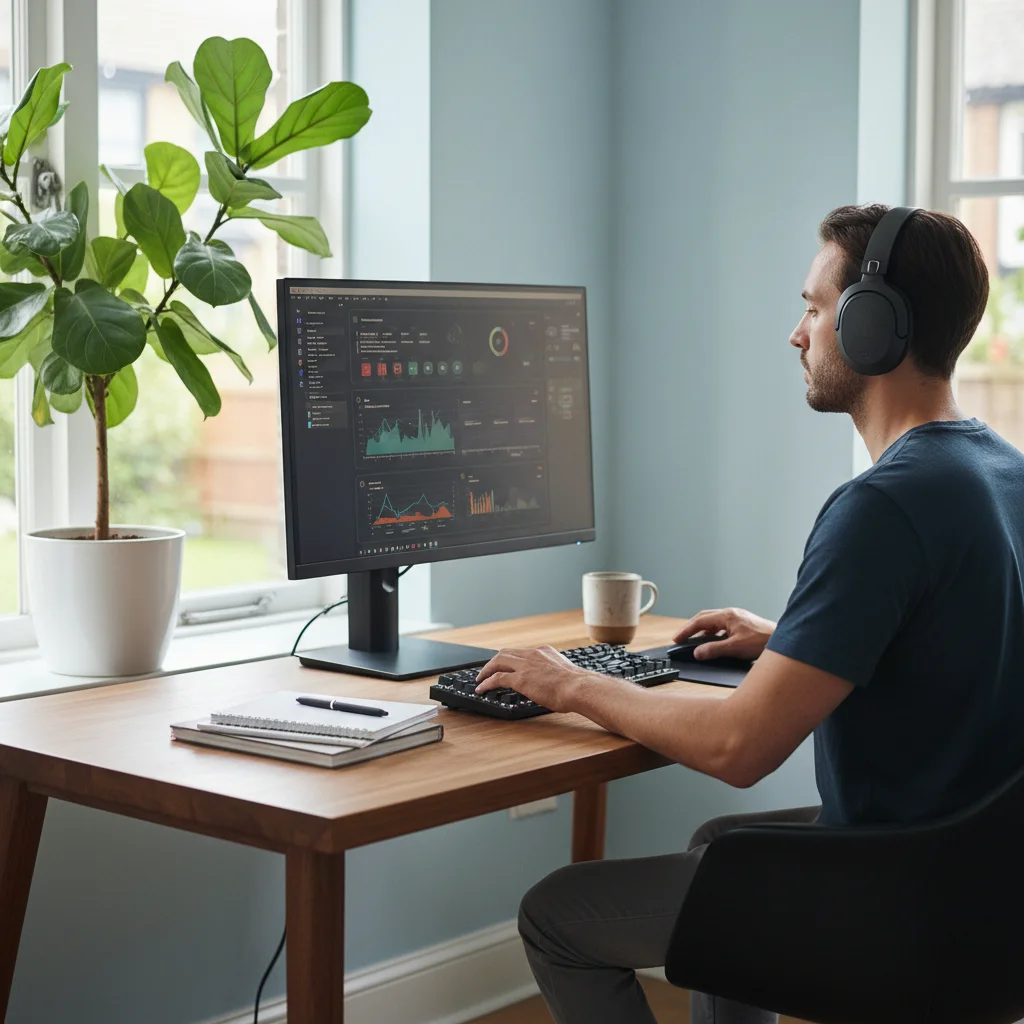
- Noise-Cancelling Headphones: A game-changer for many. These can block out ambient office chatter, traffic, or home noises. Explore options like over-ear or in-ear, wired or wireless, to find the best fit for your comfort and budget.
- Ambient Soundscapes: For some, complete silence can be unsettling. Consider using apps or websites that generate ambient sounds like white noise, nature sounds, or instrumental music specifically designed for focus.
- Communicate Boundaries: If you share a space, politely communicate your need for uninterrupted work periods. A simple ‘Do Not Disturb’ sign can work wonders.
4. Ergonomics and Comfort
Discomfort is a significant internal distraction. If you’re constantly shifting in your chair, experiencing back pain, or straining your neck, your focus will inevitably suffer. Investing in ergonomic furniture is an investment in your long-term productivity and health.
- Ergonomic Chair: A supportive chair that allows for proper posture is paramount. Adjust it to support your lower back, and ensure your feet are flat on the floor or a footrest.
- Monitor Height: Your monitor should be at arm’s length, with the top of the screen at or slightly below eye level. This prevents neck strain.
- Keyboard and Mouse: Use ergonomic peripheral devices that keep your wrists in a neutral position.
- Regular Breaks: Even in a perfect ergonomic setup, prolonged sitting is detrimental. Incorporate short stretching breaks every hour to re-energize your body and mind, further enhancing your no-distraction workspace.
5. Personal Touches (Mindfully Applied)
While decluttering is important, your workspace shouldn’t feel sterile. A few carefully chosen personal items can create a sense of comfort and inspiration without becoming distractions. A small plant, a meaningful photo, or a piece of art can add personality. The key is moderation and intentional placement – ensure they don’t contribute to visual clutter or pull your attention away from your tasks. The goal is to create a welcoming yet focused no-distraction workspace.
Phase 2: The Digital Realm – Taming the Tech Beast
In today’s world, digital distractions are arguably the most potent threat to a no-distraction workspace. Our devices, designed to capture and hold our attention, are constantly vying for our focus. Taming the tech beast requires a conscious and disciplined approach.
1. Notification Management: The First Line of Defense
Notifications are the digital equivalent of someone tapping you on the shoulder every few minutes. Turn them off! This applies to email, social media, news alerts, and even many app notifications on your computer and smartphone. Configure your devices to only allow essential notifications (e.g., urgent calls from specific contacts) during dedicated work blocks.
- Smartphone Settings: Utilize ‘Do Not Disturb’ modes, focus modes, or custom notification settings to silence non-essential apps during work hours. Consider placing your phone in another room or in a drawer during deep work sessions.
- Desktop Notifications: Disable pop-up alerts for emails and chat applications. Schedule specific times to check these communications instead of letting them interrupt your flow.
2. Browser and App Discipline
The internet is a vast ocean of information and, unfortunately, an equally vast ocean of distraction. Proactive management of your browser and applications is crucial for a no-distraction workspace.
- Close Unnecessary Tabs: Resist the urge to keep dozens of tabs open. Each open tab represents a potential distraction, a mental ‘to-do’ item that drains cognitive energy. Close tabs once you’re done with them.
- Use Website Blockers: Tools like Freedom, Cold Turkey, or browser extensions like StayFocusd can block access to distracting websites (social media, news sites, entertainment) during specified work periods.
- Dedicated Browser Profiles: If possible, use a separate browser profile (e.g., Chrome profiles) for work-related tasks only, devoid of personal bookmarks and extensions.
- App Launchers: Use app launchers that allow quick access to necessary applications without the visual clutter of a full desktop.
3. Email and Communication Management
Email is often cited as one of the biggest productivity killers. Instead of constantly monitoring your inbox, adopt a scheduled approach.
- Batch Processing: Designate specific times throughout the day (e.g., 9:00 AM, 1:00 PM, 4:00 PM) to check and respond to emails. Close your email client outside of these times.
- Triage System: Quickly scan your inbox. Respond immediately to urgent emails, flag others for later, and archive or delete non-essential ones.
- Communication Tools: For team communication, use dedicated platforms like Slack or Microsoft Teams, but again, manage notifications and set clear expectations for response times. Avoid using these as constant real-time chat channels. This is vital for maintaining a no-distraction workspace.
Phase 3: The Mindset and Habits – Internal Fortifications
Even the most perfectly optimized physical and digital environments can be undermined by internal distractions and poor habits. This phase focuses on cultivating the mental discipline and routines necessary to maintain a no-distraction workspace.
1. Time Management Techniques
Structured time management is a powerful antidote to internal wandering and the urge to multitask.
- The Pomodoro Technique: Work in focused 25-minute intervals, followed by a 5-minute break. After four ‘pomodoros,’ take a longer 15-30 minute break. This technique trains your brain to focus intensely for short bursts.
- Time Blocking: Dedicate specific blocks of time in your calendar for different tasks, especially deep work. Treat these blocks as non-negotiable appointments.
- Single-Tasking: Consciously commit to doing only one task at a time. Close all other applications and focus solely on the task at hand until it’s complete or your designated time block ends.
2. Cultivating Mindfulness and Self-Awareness
Mindfulness is about being present and aware of your thoughts and feelings without judgment. This practice can significantly reduce internal distractions.
- Regular Breaks and Movement: Short breaks (5-10 minutes every hour) to stretch, walk around, or simply look away from your screen can refresh your mind.
- Brief Meditation: Even a few minutes of mindful breathing before starting a task or during a break can help clear your mind and improve focus.
- Recognize and Redirect: When you catch your mind wandering, gently acknowledge the thought and then consciously redirect your attention back to your task. Don’t beat yourself up; simply bring your focus back. This self-awareness is key to maintaining a no-distraction workspace.
3. Setting Clear Boundaries and Expectations
Effective communication is vital, especially if you work in an open-plan office or a busy home environment. Setting boundaries helps manage external interruptions.
- Communicate Your ‘Focus Time’: Inform colleagues, family members, or housemates when you need uninterrupted time. Use visual cues like a ‘Do Not Disturb’ sign or noise-cancelling headphones.
- Establish ‘Office Hours’: For remote workers, having clear start and end times for your workday helps prevent work from bleeding into personal time and vice-versa, reducing mental clutter.
- Saying ‘No’: Learn to politely decline requests or postpone non-urgent matters if they interfere with your priority tasks. Protecting your no-distraction workspace is your responsibility.
4. The Power of Routine
Our brains thrive on routine. Establishing consistent pre-work and post-work rituals can signal to your mind when it’s time to focus and when it’s time to unwind.
- Morning Routine: Start your day with activities that promote calm and focus, such as exercise, meditation, light reading, or planning your day. Avoid immediately checking emails or social media.
- End-of-Day Routine: Before logging off, review your accomplishments, plan your top priorities for the next day, and tidy your workspace. This allows you to leave work mentally and physically, preventing unfinished tasks from lingering in your thoughts.
Advanced Strategies for an Ultra No-Distraction Workspace
Once you’ve mastered the basics, consider these advanced strategies to further refine your no-distraction workspace and push your concentration levels even higher.
1. Digital Minimalism and Device Management
Beyond simply turning off notifications, consider a deeper dive into digital minimalism. This involves critically evaluating every app and digital service you use and removing those that don’t add significant value or actively detract from your focus.
- App Audit: Regularly review the apps on your phone and computer. Delete those you rarely use or that are primarily designed to grab your attention.
- Grayscale Mode: Experiment with setting your phone to grayscale. The lack of vibrant colors can make your device less appealing and reduce the urge to pick it up.
- Dedicated Devices: If feasible, use separate devices for work and personal use. This creates a clear boundary and prevents the overlap of distracting personal apps on your work machine.
2. Curating Your Information Diet
Just as you manage physical and digital clutter, consider the information you consume. Constant exposure to news, social media feeds, and sensational headlines can create mental noise, making it harder to focus on your core tasks.
- Scheduled Information Consumption: Designate specific times to catch up on news or browse social media, rather than letting it be a constant background activity.
- Unfollow and Unsubscribe: Prune your social media feeds and email subscriptions. Unfollow accounts that don’t genuinely add value or that trigger negative emotions. Unsubscribe from newsletters you never read.
- Quality over Quantity: Seek out high-quality, in-depth content rather than shallow, attention-grabbing snippets. This fosters deeper engagement and less mental fragmentation.
3. The Power of a ‘Deep Work’ Zone
For those who have the luxury of space, consider creating a dedicated ‘deep work’ zone that is entirely separate from your regular workspace. This could be a different room, a specific corner, or even a public library. The act of physically moving to this zone can act as a powerful psychological trigger, signaling to your brain that it’s time for intense, uninterrupted focus. This concept reinforces the idea of a true no-distraction workspace.
4. Biofeedback and Wearables for Focus
Emerging technologies offer new ways to understand and improve your focus. While not for everyone, some individuals find value in biofeedback devices or brain-sensing headbands that provide real-time data on your mental state. These tools can help you identify when your focus is waning and train yourself to return to a state of concentration. Always approach such tools with a critical mind and consider if they genuinely aid your focus or merely add another layer of complexity.
5. Regular Review and Adaptation
Creating a no-distraction workspace is not a one-time event; it’s an ongoing process of refinement and adaptation. What works today might need adjustment tomorrow as your tasks, environment, or personal habits evolve.
- Weekly Review: Dedicate a short time each week to reflect on your productivity. What distractions hindered you? What strategies worked well?
- Experimentation: Don’t be afraid to try new tools, techniques, or adjustments to your environment. What works for one person might not work for another.
- Seek Feedback: If you work with others, ask for feedback on your communication and availability. Ensure your efforts to create a focused environment aren’t inadvertently creating communication bottlenecks for your team.
The Long-Term Benefits of a No-Distraction Workspace
The effort invested in creating and maintaining a no-distraction workspace yields significant returns that extend far beyond simply getting more done. The benefits are holistic, impacting your professional success, mental well-being, and overall quality of life.
Enhanced Productivity and Quality of Work
As mentioned, reclaiming those lost minutes from distraction can lead to substantial gains in productivity. When you can consistently engage in deep work, the quality of your output naturally improves. You’re less prone to errors, your creative solutions are more innovative, and your problem-solving abilities are sharper. The 30% concentration boost in 2026 isn’t just about speed; it’s about delivering superior results.
Reduced Stress and Burnout
Constant context-switching and the feeling of being perpetually behind are major contributors to workplace stress and burnout. A no-distraction workspace allows you to work more efficiently, often completing tasks in less time, freeing up mental space and reducing the feeling of overwhelm. This leads to a calmer, more controlled work experience.
Greater Job Satisfaction and Engagement
When you’re able to focus deeply and produce high-quality work, there’s a profound sense of accomplishment and satisfaction. This increased engagement with your tasks and your role can lead to greater job satisfaction and a more positive attitude towards your work. You’re not just going through the motions; you’re actively creating and contributing.
Improved Learning and Skill Acquisition
Deep concentration is fundamental to effective learning. Whether you’re mastering a new skill, studying complex material, or engaging in professional development, a no-distraction workspace provides the optimal conditions for knowledge absorption and retention. Your brain can form stronger neural pathways when it’s not constantly being interrupted.
Better Work-Life Balance
Paradoxically, by being more focused at work, you can achieve a better work-life balance. When you complete your tasks efficiently during your designated work hours, you’re less likely to carry work over into your personal time. This clear separation allows for more meaningful leisure, stronger personal relationships, and a healthier overall lifestyle. A dedicated no-distraction workspace helps you be fully present, whether you’re working or relaxing.
Conclusion: Your Path to Uninterrupted Productivity
The journey to creating a truly effective no-distraction workspace is a continuous one, requiring conscious effort and a commitment to protecting your most valuable resource: your attention. It’s about more than just decluttering a desk; it’s about cultivating a mindset, implementing strategic digital boundaries, and designing an environment that actively supports your ability to focus deeply.
By systematically addressing physical, digital, and internal distractions, you are not just improving your productivity; you are investing in your cognitive health, reducing stress, and enhancing the quality of your work and life. The goal of boosting concentration by 30% in 2026 is not an exaggeration but a realistic outcome for those who commit to these practical steps. Start small, be consistent, and observe the transformative power of a workspace designed for uninterrupted productivity. Your future, more focused self will thank you.