Urban Evolution: How 80% of U.S. Infrastructure Projects are Adapting to Climate Change by 2027 (PRACTICAL SOLUTIONS)
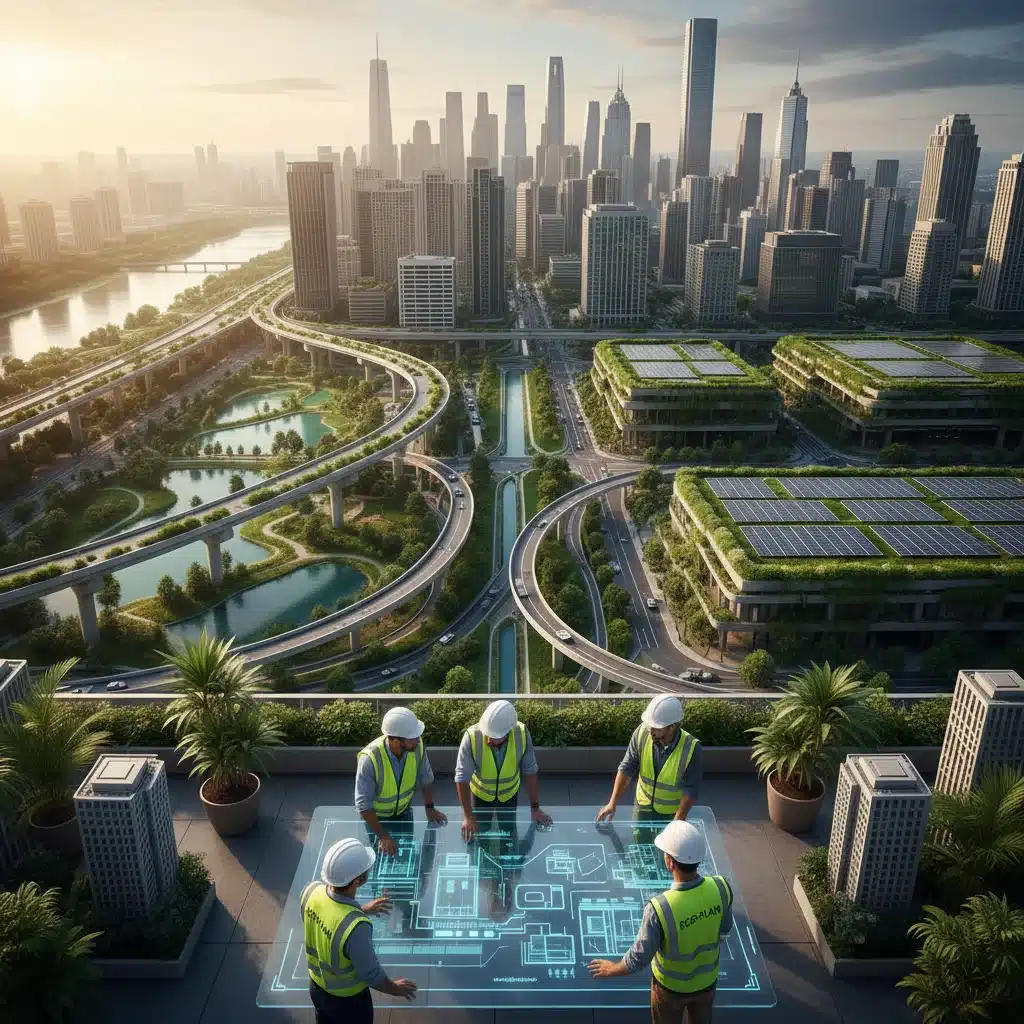
The imperative to address climate change has never been more urgent, and its impact on urban infrastructure is undeniable. From rising sea levels and extreme weather events to prolonged droughts and heatwaves, the consequences of a changing climate are already shaping how we design, build, and maintain our cities. In response, a significant transformation is underway across the United States. A bold target has been set: by 2027, an estimated 80% of U.S. infrastructure projects are projected to integrate climate resilience as a core component of their design and execution. This isn’t just an ambitious goal; it represents a fundamental shift in our approach to urban development, prioritizing long-term sustainability and protection against future climate shocks. This comprehensive article will delve into the practical solutions, innovative technologies, and policy frameworks driving this urban evolution, exploring how the U.S. is building a more resilient future, one project at a time.
The Urgency of Climate Resilient Infrastructure
Climate change is no longer a distant threat; it’s a present reality demanding immediate action. The U.S., with its diverse geography and vast network of critical infrastructure, is particularly vulnerable. Coastal cities face the dual threat of rising sea levels and more intense storm surges, jeopardizing everything from homes and businesses to transportation networks and vital utilities. Inland regions grapple with increased frequency of severe droughts, leading to water scarcity and heightened wildfire risks, while other areas experience unprecedented rainfall, overwhelming existing drainage systems and causing widespread flooding. The economic toll of these events is staggering, measured in billions of dollars of damage, disrupted supply chains, and lost productivity. Beyond the financial costs, there’s the immeasurable human cost: displacement, loss of life, and profound social disruption.
Recognizing this escalating crisis, policymakers, engineers, and urban planners have begun to coalesce around a shared vision: to build climate resilient infrastructure. This concept moves beyond simply repairing damage after a disaster; it’s about proactively designing and constructing systems that can withstand, adapt to, and recover quickly from climate-related stresses and shocks. It involves a paradigm shift from reactive measures to proactive strategies, integrating foresight and adaptability into every stage of infrastructure development. The 80% target by 2027 is a testament to this commitment, signaling a widespread understanding that traditional infrastructure models are no longer sufficient in a rapidly changing world. This ambitious goal underscores a national dedication to safeguarding communities, economies, and the environment for generations to come, making climate resilient infrastructure a cornerstone of future development.
Key Pillars of Climate Resilient Infrastructure Development
Achieving the ambitious goal of 80% climate-resilient infrastructure by 2027 requires a multi-faceted approach, built upon several key pillars. These pillars encompass everything from innovative engineering and technological advancements to robust policy frameworks and community engagement. Understanding these foundational elements is crucial to appreciating the scope and complexity of this national undertaking.
1. Advanced Data and Predictive Modeling
At the heart of effective climate resilience lies the ability to anticipate future conditions. This requires sophisticated data collection and predictive modeling. Scientists and engineers are utilizing advanced climate models to forecast future sea-level rise, precipitation patterns, temperature extremes, and the frequency of severe weather events with greater accuracy. This data informs critical decisions, such as where to build, how high to elevate structures, and what materials to use. Geographic Information Systems (GIS) are playing an increasingly vital role, mapping vulnerabilities and identifying areas at highest risk. By overlaying climate projections with existing infrastructure data, planners can pinpoint critical assets that require immediate attention and prioritize investments effectively. This data-driven approach ensures that resilience efforts are not based on outdated assumptions but on the most current scientific understanding of future climate scenarios, making every infrastructure project a step towards a more informed and adaptive future.
2. Green and Nature-Based Solutions
One of the most promising avenues for building climate resilient infrastructure involves harnessing the power of nature. Green infrastructure, such as permeable pavements, green roofs, rain gardens, and restored wetlands, offers a cost-effective and environmentally friendly alternative to traditional gray infrastructure. These solutions mimic natural processes to manage stormwater, reduce urban heat island effects, and improve air and water quality. For instance, permeable pavements allow rainwater to infiltrate the ground, reducing runoff and alleviating pressure on storm sewer systems. Coastal wetlands and restored oyster reefs act as natural buffers, absorbing storm surge energy and protecting shorelines from erosion. Beyond their protective functions, green infrastructure projects often enhance biodiversity, create recreational spaces, and improve the aesthetic appeal of urban environments, delivering multiple co-benefits that contribute to overall community well-being and a stronger climate resilient infrastructure.
3. Hardened Infrastructure and Engineering Innovations
While nature-based solutions are powerful, certain critical infrastructure requires robust, engineered defenses. This involves hardening existing structures and designing new ones to withstand extreme forces. Examples include elevated roadways and buildings in flood-prone areas, reinforced seawalls and levees, and storm-resistant power grids. Engineers are developing innovative materials, such as self-healing concrete and advanced composites, that offer greater durability and longevity in harsh conditions. Bridge designs are incorporating features that can better accommodate seismic activity and extreme wind loads. Furthermore, the concept of “redundancy” is gaining traction, where critical systems have backup components or alternative pathways to ensure continued operation during disruptions. These engineering innovations are crucial for protecting essential services and ensuring the continuity of urban life, forming a critical layer of climate resilient infrastructure.
4. Smart Technology and Early Warning Systems
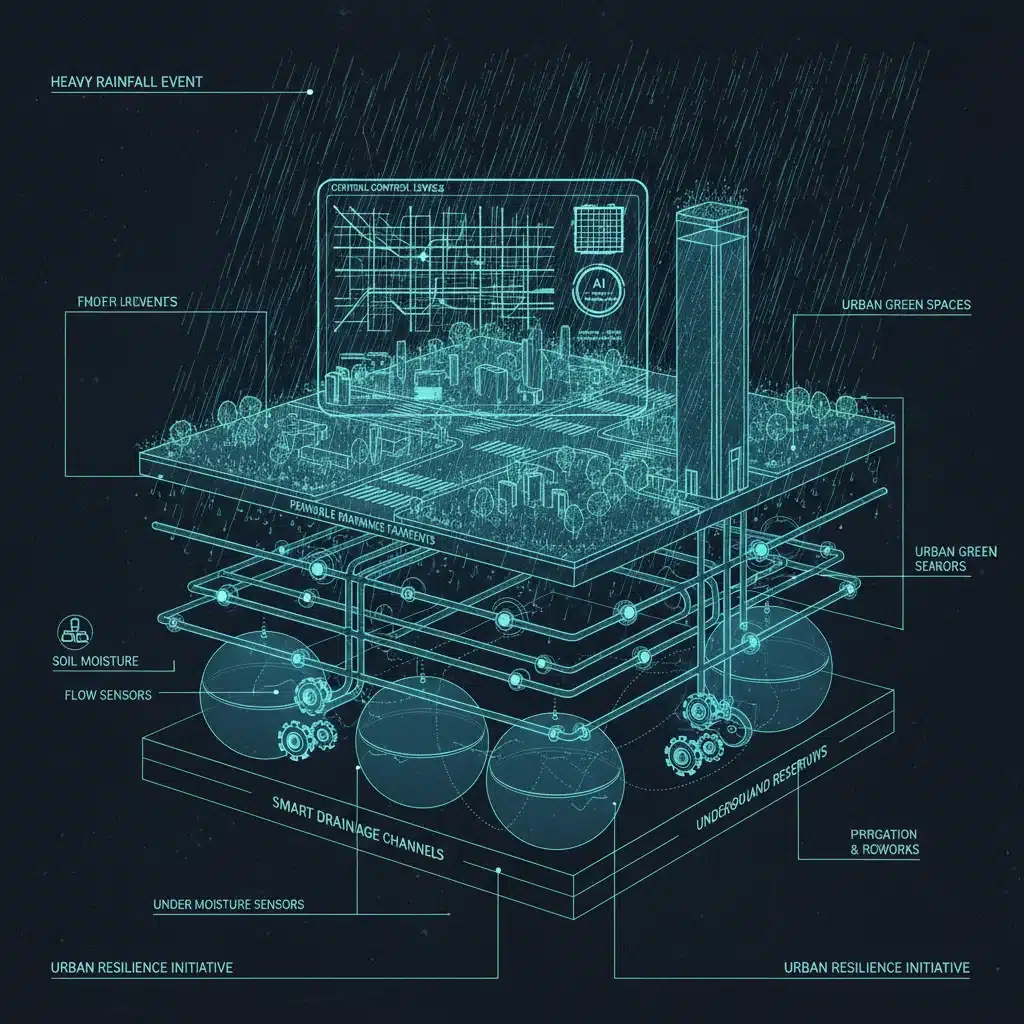
The integration of smart technology is revolutionizing how we monitor and manage infrastructure in the face of climate change. Internet of Things (IoT) sensors embedded in bridges, roads, and utility lines can provide real-time data on structural integrity, water levels, and temperature fluctuations. This data allows for proactive maintenance and early detection of potential failures. Furthermore, advanced early warning systems for floods, wildfires, and extreme weather events give communities crucial time to prepare and evacuate, minimizing damage and saving lives. Smart grids, for example, can automatically reroute power during outages, enhancing energy resilience. The ability to collect, analyze, and act on real-time information empowers city managers and emergency services to respond more effectively to climate-related challenges, making smart technology an indispensable tool for climate resilient infrastructure.
Practical Solutions in Action: Case Studies and Examples
The shift towards climate resilient infrastructure is not just theoretical; it’s being implemented across the U.S. in diverse and innovative ways. These practical solutions are demonstrating tangible results, offering valuable lessons and inspiring further action.
Coastal Protection and Sea-Level Rise Adaptation
Coastal communities are at the forefront of climate adaptation. In New York City, following the devastation of Hurricane Sandy, extensive projects are underway to build storm barriers, elevate critical infrastructure, and create resilient waterfront parks that double as flood protection. The “BIG U” project, for instance, proposes a protective system around lower Manhattan, integrating landscaped berms, deployable flood walls, and resilient public spaces. In places like Miami, rising sea levels are being met with elevated roads, improved pumping stations, and stricter building codes that mandate higher elevation for new constructions. These efforts combine engineered solutions with nature-based approaches, creating layers of defense against the encroaching ocean. The focus here is not just on preventing immediate damage but on ensuring the long-term viability and safety of coastal populations through robust climate resilient infrastructure.
Water Management and Flood Mitigation
Inland cities are grappling with increased rainfall intensity and unpredictable flood patterns. Houston, Texas, a city frequently impacted by severe flooding, is investing heavily in expanding its bayou systems to increase water retention capacity and creating large-scale detention basins. Philadelphia’s “Green City, Clean Waters” program is a pioneering initiative that uses green infrastructure – rain gardens, permeable surfaces, and tree trenches – to manage stormwater runoff, reduce sewer overflows, and improve water quality. These projects demonstrate a shift from solely relying on pipes and concrete to embracing ecological solutions that work with natural hydrological cycles. Such innovative water management strategies are essential components of building climate resilient infrastructure.
Energy Resilience and Grid Modernization
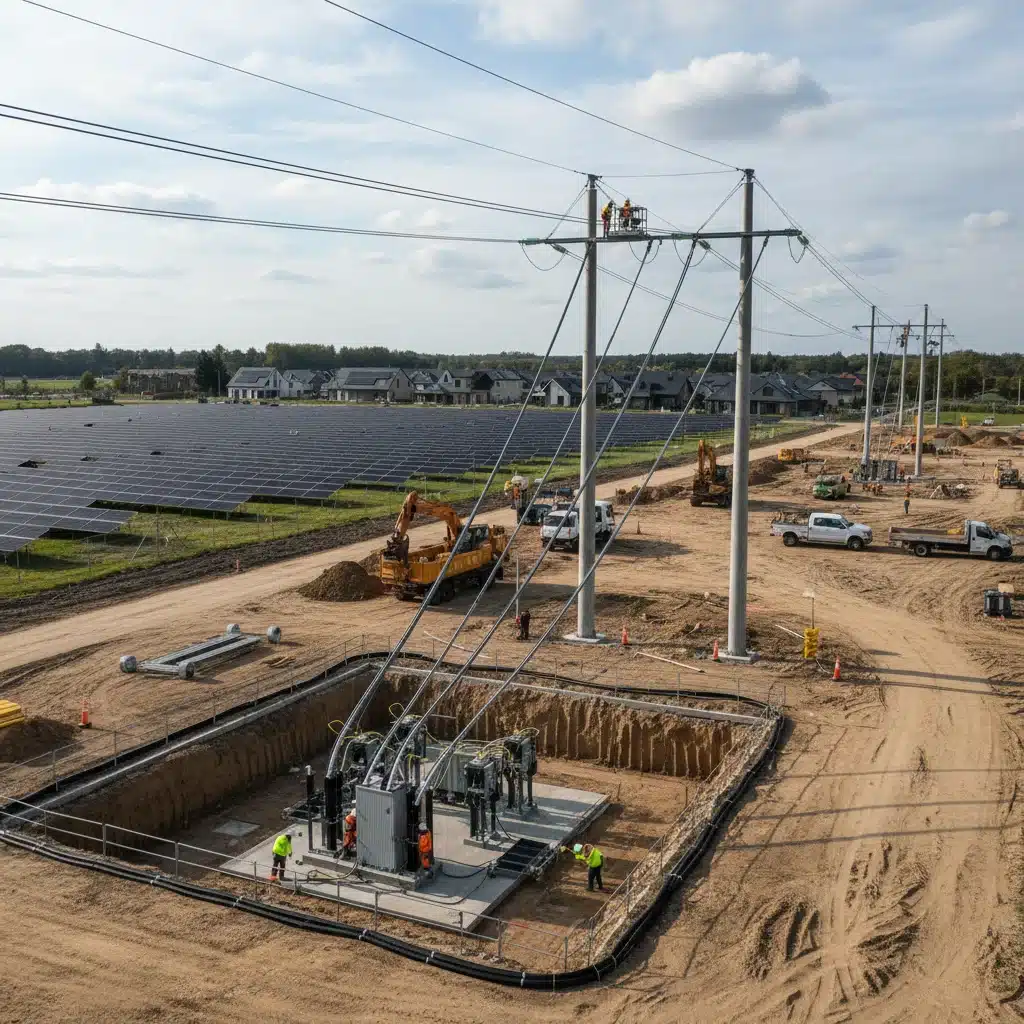
A reliable energy supply is critical, especially during extreme weather events. California, prone to wildfires and heatwaves, is investing in microgrids and decentralized energy systems that can operate independently if the main grid fails. These microgrids often integrate renewable energy sources like solar and wind, enhancing both resilience and sustainability. Utilities are also hardening their infrastructure by burying power lines, using stronger poles, and implementing smart grid technologies that can quickly detect and isolate faults, minimizing outage durations. The goal is to create an energy system that is not only cleaner but also more robust and less susceptible to climate-induced disruptions, a vital aspect of modern climate resilient infrastructure.
Transportation Networks and Heat Resilience
Extreme heat can buckle roads, warp train tracks, and stress transportation infrastructure. Cities are implementing heat-resistant materials for pavements and railway lines. Urban planning is also incorporating more tree canopy and reflective surfaces to reduce urban heat island effects, making public transportation and pedestrian areas more comfortable and safer. In regions experiencing increased wildfires, transportation routes are being designed with firebreaks and emergency access points, ensuring that vital arteries remain open for evacuations and emergency services. These adaptations are crucial for maintaining mobility and economic activity in a hotter climate, showcasing the adaptability of climate resilient infrastructure.
Policy, Funding, and Collaboration: Driving the Change
The transformation of U.S. infrastructure into a climate-resilient network is not happening in a vacuum. It is supported by a robust framework of policies, significant funding initiatives, and unprecedented levels of collaboration across various sectors.
Federal and State Policies
At the federal level, landmark legislation like the Infrastructure Investment and Jobs Act (IIJA) has allocated billions of dollars specifically for climate resilience projects, recognizing the urgent need to upgrade and adapt infrastructure. This act emphasizes “building back better” after disasters and integrating climate considerations into all federally funded projects. Agencies like FEMA are also updating their hazard mitigation programs to incentivize proactive resilience measures rather than just post-disaster recovery. State and local governments are playing a crucial role by developing their own climate action plans, updating building codes to incorporate resilience standards, and implementing zoning regulations that guide development away from high-risk areas. These policies provide the necessary legal and regulatory backbone for widespread adoption of climate resilient infrastructure.
Innovative Funding Mechanisms
Beyond direct government appropriations, innovative funding mechanisms are emerging to finance climate resilience. Green bonds, for example, allow investors to support environmentally beneficial projects, including resilient infrastructure. Public-private partnerships (PPPs) are becoming increasingly common, leveraging private sector expertise and capital to accelerate project delivery. Additionally, resilience bonds are being developed, which link repayment to the successful achievement of resilience outcomes. Insurance companies are also becoming key players, offering incentives for properties and communities that invest in mitigation measures, recognizing that prevention is ultimately more cost-effective than recovery. This diverse funding landscape ensures that financial resources are available to meet the ambitious goals of climate resilient infrastructure development.
Cross-Sector Collaboration
Building climate resilient infrastructure requires a collaborative effort that transcends traditional silos. Engineers, urban planners, environmental scientists, economists, and community leaders must work together to develop holistic solutions. Academic institutions are partnering with government agencies to conduct research and develop new technologies. Non-profit organizations are playing a vital role in community engagement, educating residents about climate risks and involving them in the planning process. Private industry, from construction firms to technology providers, is innovating to offer resilient products and services. This convergence of expertise and resources ensures that solutions are comprehensive, equitable, and tailored to the specific needs of each community, fostering a shared responsibility for a resilient future.
Challenges and Future Outlook
While the momentum towards climate resilient infrastructure is strong, significant challenges remain. The sheer scale of the undertaking is immense, requiring sustained investment and political will over decades. Funding, though increasing, is still a major hurdle, especially for smaller communities with limited resources. The complexity of integrating climate data into every stage of planning and design requires new skill sets and continuous professional development for engineers and planners.
Furthermore, addressing equity and environmental justice is paramount. Vulnerable communities, often those with the fewest resources, are disproportionately affected by climate change. Ensuring that resilience projects benefit all residents and do not exacerbate existing inequalities is a critical ethical consideration. Engaging these communities in the planning process is essential to developing solutions that are truly inclusive and effective.
Looking ahead, the trajectory is clear: the U.S. is committed to building a more resilient future. The 80% target by 2027 is an ambitious but achievable milestone. The continuous advancement of technology, coupled with evolving policy frameworks and a growing understanding of climate risks, will further accelerate this transformation. The focus will increasingly be on adaptive management – designing infrastructure that can be modified and upgraded as climate science evolves and new threats emerge. This ongoing process of learning and adaptation will ensure that our cities and critical systems can withstand the challenges of a changing climate, securing a safer and more sustainable future for all.
Conclusion
The journey towards a climate-resilient United States is a monumental undertaking, but one that is well underway. The commitment to integrate climate resilience into 80% of U.S. infrastructure projects by 2027 marks a pivotal moment in the nation’s urban evolution. This ambitious goal is being met with a powerful combination of advanced data science, innovative green and engineered solutions, smart technologies, and a robust framework of policies, funding, and collaborative partnerships. From coastal defenses and intelligent water management systems to hardened energy grids and adaptive transportation networks, the practical solutions being implemented are transforming our communities into safer, more sustainable places.
While challenges such as funding disparities and the need for equitable implementation persist, the collective will to adapt and innovate is undeniable. The lessons learned from pioneering projects across the country are paving the way for broader adoption and continuous improvement. As we move closer to 2027 and beyond, the focus will remain on building infrastructure that is not only durable but also flexible and responsive to an ever-changing climate. This proactive approach to climate resilient infrastructure is not merely about protecting against future disasters; it is about creating a legacy of sustainability, security, and prosperity for generations to come, ensuring that our urban environments are prepared for whatever the future may hold.