High-Growth Sectors 2026: U.S. Investment Opportunities Explored

The economic landscape is in constant flux, shaped by technological breakthroughs, evolving consumer demands, and geopolitical shifts. For investors, entrepreneurs, and policymakers alike, understanding where the next wave of growth will emerge is paramount. As we look towards 2026, several high-growth U.S. sectors are poised to redefine industries, create substantial wealth, and drive national prosperity. This comprehensive guide delves into these promising areas, offering insights into their potential, challenges, and the strategic opportunities they present for investment.
The United States has historically been a hotbed of innovation and economic dynamism. Its robust venture capital ecosystem, world-class research institutions, and entrepreneurial spirit continue to fuel groundbreaking advancements. Identifying these high-growth U.S. sectors early can provide a significant competitive advantage, enabling strategic allocation of resources and fostering sustainable development. From artificial intelligence to sustainable energy, the opportunities are vast and varied, promising significant financial impact for those who understand the underlying trends.
The Innovation Horizon: Why Focus on High-Growth U.S. Sectors Now?
The year 2026 is not merely a date on the calendar; it represents a near-future horizon where many current technological and societal trends will reach critical mass. The acceleration of digital transformation, the urgent need for sustainable solutions, and advancements in healthcare are converging to create unprecedented opportunities. Investors seeking to capitalize on these shifts must look beyond traditional metrics and understand the disruptive forces at play. Focusing on high-growth U.S. sectors means investing in the future of the economy.
Driving Forces Behind Sector Growth
Several macro trends are catalyzing the growth of these sectors:
- Technological Acceleration: The exponential growth of computing power, data analytics, and connectivity (5G, IoT) is enabling new applications and business models across industries.
- Demographic Shifts: An aging global population and changing consumer preferences are driving demand for personalized healthcare, sustainable products, and efficient services.
- Climate Change Imperative: The global push for decarbonization and climate resilience is fueling massive investments in renewable energy, green technologies, and sustainable infrastructure.
- Geopolitical Realignment: Supply chain vulnerabilities and national security concerns are prompting reshoring efforts and investments in domestic manufacturing and critical technologies.
These forces are not isolated; they interact and amplify each other, creating fertile ground for specific high-growth U.S. sectors to flourish. Understanding these interdependencies is key to making informed investment decisions and navigating the complexities of the modern market.
Artificial Intelligence (AI) and Machine Learning (ML): The Brains of Tomorrow’s Economy
Artificial Intelligence (AI) and Machine Learning (ML) are no longer futuristic concepts; they are rapidly becoming integral to every facet of business and daily life. By 2026, the AI market is projected to reach staggering valuations, driven by widespread adoption across enterprises, government, and consumer applications. This makes AI one of the most prominent high-growth U.S. sectors.
Key Investment Areas in AI/ML:
- AI Infrastructure: Companies developing specialized hardware (AI chips, GPUs), cloud platforms, and data management solutions essential for AI development and deployment.
- AI Software and Platforms: Development of AI models, algorithms, natural language processing (NLP), computer vision, and machine learning operations (MLOps) platforms that enable businesses to integrate AI seamlessly.
- AI-Powered Applications: Solutions leveraging AI in specific domains, such as predictive analytics, autonomous systems (vehicles, robotics), personalized customer experiences, and intelligent automation.
- Ethical AI and AI Security: As AI becomes more pervasive, the demand for robust ethical frameworks, bias detection, and cybersecurity solutions for AI systems will grow exponentially.
The financial impact of AI is profound. It promises to boost productivity, create new markets, and transform existing ones. Early investors in foundational AI technologies and scalable AI applications stand to gain significantly. However, the sector also presents challenges, including the need for skilled talent, regulatory complexities, and ethical considerations that must be carefully navigated.
Biotechnology and Life Sciences: Revolutionizing Health and Well-being
The biotechnology and life sciences sector continues its relentless march forward, propelled by breakthroughs in genomics, gene editing (CRISPR), personalized medicine, and advanced therapies. The COVID-19 pandemic underscored the critical importance of this sector, accelerating research and development and attracting unprecedented investment. By 2026, this will remain a leading high-growth U.S. sector.
Sub-Sectors with High Growth Potential:
- Genomic Medicine: Companies focused on gene sequencing, gene therapy, and CRISPR-based treatments for genetic diseases, cancer, and other chronic conditions.
- Personalized Healthcare: Development of diagnostics, therapeutics, and digital health solutions tailored to an individual’s genetic makeup, lifestyle, and environment.
- Biomanufacturing: Innovations in producing biologics, vaccines, and advanced materials through biological processes, leading to more sustainable and efficient production.
- Neuroscience and Brain Health: Research and development into treatments for neurological disorders (Alzheimer’s, Parkinson’s), mental health solutions, and brain-computer interfaces.

Investment in biotechnology is often characterized by high risk but also high reward. The regulatory landscape, clinical trial success rates, and intellectual property protection are crucial factors. However, the potential to cure previously untreatable diseases and significantly improve human health makes this one of the most impactful and financially promising high-growth U.S. sectors.
Renewable Energy and Clean Technology: Powering a Sustainable Future
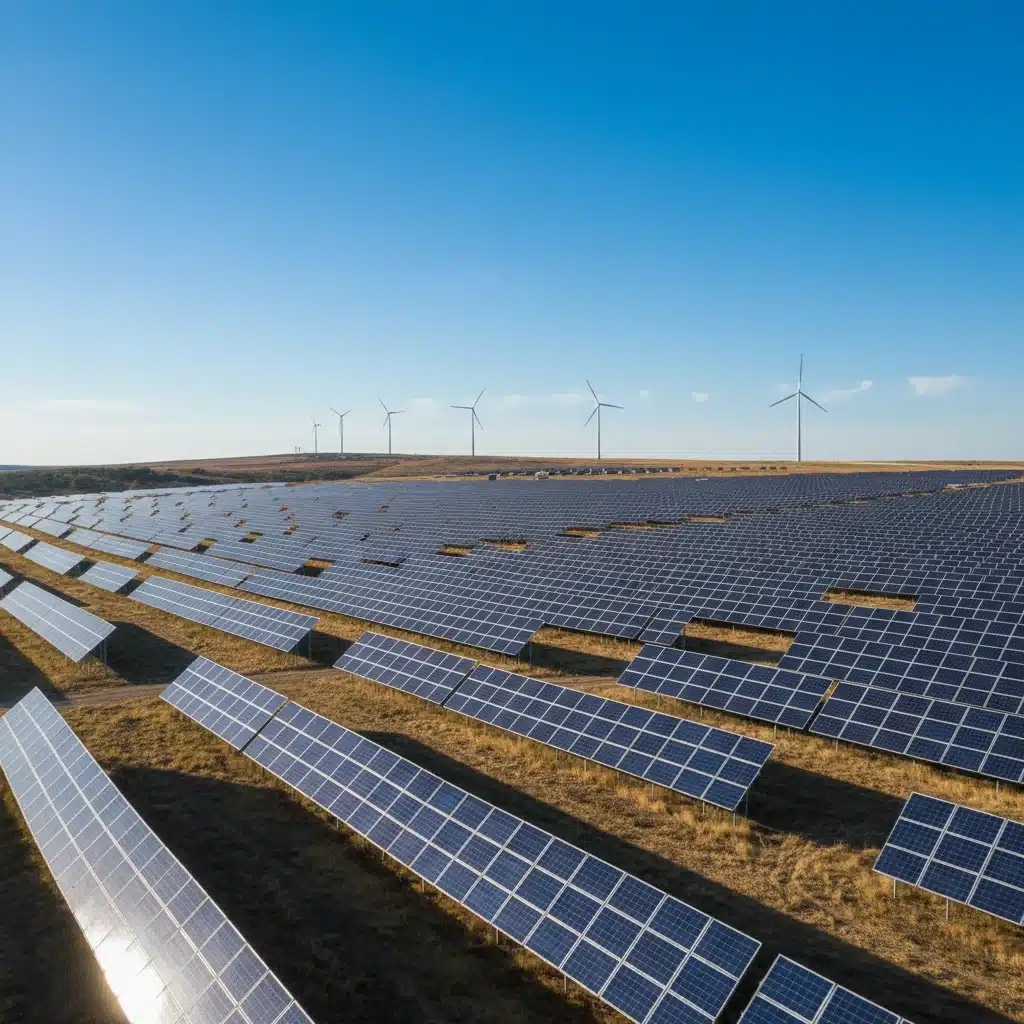
The global energy transition is one of the most significant economic transformations of our time. The United States is at the forefront of this shift, with substantial investments in renewable energy sources like solar, wind, and geothermal, as well as in associated clean technologies. This sector is not just about environmental stewardship; it’s about energy independence, economic competitiveness, and job creation, cementing its status as a key high-growth U.S. sector.
Areas Ripe for Investment:
- Solar and Wind Energy: Continued expansion of utility-scale and distributed solar and wind projects, alongside advancements in efficiency, storage integration, and grid management.
- Energy Storage: Development of advanced battery technologies (lithium-ion alternatives, solid-state batteries), long-duration storage solutions, and grid-scale energy storage systems.
- Green Hydrogen: Production of hydrogen using renewable energy (electrolysis), and its application in heavy industry, transportation, and energy storage.
- Carbon Capture, Utilization, and Storage (CCUS): Technologies designed to capture CO2 emissions from industrial sources or directly from the atmosphere, and either utilize or store them.
- Sustainable Transportation: Electric vehicles (EVs), charging infrastructure, advanced battery recycling, and alternative fuels.
Government incentives, decreasing technology costs, and growing corporate and consumer demand are driving the rapid expansion of this sector. The financial returns can be substantial, not only from direct energy generation but also from the entire value chain, including manufacturing, infrastructure development, and innovative energy management solutions. This represents a long-term, high-growth U.S. sector with significant societal benefits.
Advanced Manufacturing and Robotics: Reshaping Production
The COVID-19 pandemic exposed vulnerabilities in global supply chains, prompting a renewed focus on domestic manufacturing capabilities and resilience. Advanced manufacturing, characterized by the integration of automation, robotics, AI, 3D printing, and IoT, is transforming how goods are designed, produced, and delivered. This resurgence makes it a critical high-growth U.S. sector.
Key Opportunities in Advanced Manufacturing:
- Industrial Automation and Robotics: Development and deployment of collaborative robots (cobots), AI-powered robotic systems, and autonomous material handling solutions for factories and warehouses.
- Additive Manufacturing (3D Printing): Advancements in materials science and printing techniques are enabling the production of complex parts for aerospace, medical devices, and custom consumer goods.
- Smart Factories (Industry 4.0): Integration of digital technologies to create interconnected, data-driven manufacturing facilities that optimize production, reduce waste, and improve quality.
- Advanced Materials: Research and development of new materials with superior properties, such as lightweight composites, nanomaterials, and smart materials, for various industrial applications.
- Reshoring and Supply Chain Resilience: Investment in localized production capabilities, vertical integration, and technologies that enhance supply chain visibility and agility.
The financial impact here is multifaceted: increased productivity, reduced labor costs, enhanced product quality, and greater supply chain security. As companies seek to de-risk their operations and innovate faster, investment in advanced manufacturing technologies will continue to surge, solidifying its place among the high-growth U.S. sectors.
Cybersecurity: Protecting the Digital Frontier
As the world becomes increasingly digital, the importance of cybersecurity cannot be overstated. The sophistication and frequency of cyberattacks are growing, targeting individuals, businesses, and critical infrastructure. This escalating threat landscape creates an ever-increasing demand for robust cybersecurity solutions, making it an indispensable high-growth U.S. sector.
Investment Hotspots in Cybersecurity:
- AI-Powered Security: Solutions leveraging AI and machine learning for threat detection, anomaly identification, and automated response, moving beyond traditional signature-based methods.
- Cloud Security: Protecting data, applications, and infrastructure in cloud environments, including Cloud Security Posture Management (CSPM), Cloud Workload Protection Platforms (CWPP), and Zero Trust architectures.
- Identity and Access Management (IAM): Advanced solutions for verifying user identities, managing access privileges, and implementing multi-factor authentication (MFA) to prevent unauthorized access.
- Operational Technology (OT) Security: Protecting industrial control systems (ICS), SCADA systems, and other operational technology critical for manufacturing, energy, and utilities.
- Data Privacy and Compliance: Tools and services that help organizations comply with evolving data privacy regulations (e.g., CCPA, GDPR) and protect sensitive information.
The cybersecurity market is resilient and recession-proof, driven by continuous threats and regulatory pressures. Companies that can offer innovative, scalable, and effective security solutions will see sustained growth and significant financial returns. This is a foundational high-growth U.S. sector that underpins the digital economy.
Fintech and Digital Payments: Reshaping Financial Services
The financial services industry is undergoing a profound transformation driven by technology. Fintech (financial technology) encompasses a broad range of innovations that improve and automate the delivery and use of financial services. From mobile banking to blockchain-based solutions, fintech is disrupting traditional models and creating new efficiencies, making it a dynamic high-growth U.S. sector.
Key Areas of Growth:
- Embedded Finance: Integrating financial services directly into non-financial platforms and apps (e.g., buy now, pay later options at e-commerce checkouts).
- Blockchain and Digital Assets: Development of blockchain infrastructure, decentralized finance (DeFi) applications, tokenization of assets, and secure digital asset management solutions.
- AI in Finance: Leveraging AI for fraud detection, personalized financial advice, algorithmic trading, credit scoring, and risk management.
- Digital Payments and Wallets: Continued expansion of contactless payments, mobile wallets, cross-border payment solutions, and real-time payment networks.
- RegTech (Regulatory Technology): Solutions that use technology to help financial institutions comply with regulations more efficiently and effectively, reducing operational costs and risks.
The financial impact of fintech is immense, leading to greater financial inclusion, reduced transaction costs, and enhanced customer experiences. Investors should look for companies that can navigate regulatory complexities, build trust with consumers, and offer truly innovative solutions that address unmet needs in the financial ecosystem. This sector promises continued evolution and significant opportunities within the high-growth U.S. sectors landscape.
Space Economy: The Final Frontier for Investment
Often overlooked by mainstream investors, the space economy is rapidly expanding beyond government-led missions to include a vibrant ecosystem of private companies. Driven by falling launch costs, miniaturization of satellites, and increasing demand for space-based services, this sector is poised for explosive growth and represents a unique high-growth U.S. sector.
Emerging Investment Opportunities:
- Satellite Manufacturing and Launch Services: Companies developing reusable rockets, small satellite constellations for broadband internet (e.g., Starlink), Earth observation, and IoT connectivity.
- In-Space Services: Development of technologies for satellite servicing, debris removal, in-orbit manufacturing, and space logistics.
- Space Exploration and Resource Utilization: Long-term investments in lunar and Martian missions, asteroid mining, and sustainable space habitats.
- Downstream Applications: Services that utilize space-derived data, such as precision agriculture, weather forecasting, climate monitoring, and geospatial intelligence.
While still considered a frontier market, the space economy offers disruptive potential. The financial impact extends from telecommunications and defense to environmental monitoring and scientific research. As technologies mature and commercial applications proliferate, the space sector will increasingly become a focal point for strategic investment, solidifying its place among the high-growth U.S. sectors.
Navigating Investment in High-Growth U.S. Sectors: Considerations and Strategies
Investing in high-growth sectors requires a nuanced approach. While the potential for substantial returns is high, so too can be the risks. Here are key considerations for investors:
Due Diligence is Crucial
Thorough research into company fundamentals, competitive landscapes, management teams, and intellectual property is paramount. Understand the technology, market fit, and scalability of the solutions being offered.
Risk Management
Diversification across different companies within a sector, or across multiple high-growth U.S. sectors, can mitigate risk. Early-stage investments carry higher risk but also higher potential rewards; balancing these with more mature companies can be a sound strategy.
Regulatory Landscape
Many of these sectors are heavily influenced by government policies, regulations, and funding. Staying abreast of legislative changes and understanding their potential impact is vital.
Long-Term Vision
High-growth sectors often require a long-term investment horizon. Disruptive innovations take time to mature, gain market acceptance, and deliver significant returns. Patience and a strategic outlook are key.
Talent and Innovation
Companies in these sectors thrive on innovation and access to top talent. Evaluate a company’s ability to attract and retain skilled professionals and its commitment to continuous R&D.
Conclusion: Seizing the Opportunities in High-Growth U.S. Sectors
The 2026 innovation horizon is bright with opportunity across several high-growth U.S. sectors. From the transformative power of AI and biotechnology to the imperative of renewable energy and the resilience of advanced manufacturing, the landscape is ripe for strategic investment. Cybersecurity and fintech continue to evolve at a rapid pace, while the burgeoning space economy offers new frontiers for economic activity.
For investors, entrepreneurs, and policymakers, understanding these trends and positioning accordingly will be critical for future success. The United States continues to be a global leader in innovation, providing a fertile ground for these sectors to flourish. By focusing on these high-growth U.S. sectors, we can drive economic prosperity, solve pressing global challenges, and shape a more innovative and sustainable future. The time to invest in tomorrow is now.