Navigating the U.S. Demographic Shift: Opportunities & Challenges Ahead
Navigating the U.S. Demographic Shift: Unlocking Opportunities for the Next Decade
The United States, a nation built on a tapestry of cultures and peoples, is once again at the precipice of a profound transformation. This isn’t a political upheaval or an economic recession, but a fundamental US demographic shift that is reshaping its very fabric. Over the next decade, the implications of these changes will ripple through every sector of society, from the workforce and consumer markets to healthcare and education. Understanding this shift is not merely an academic exercise; it’s a critical imperative for businesses, policymakers, and communities aiming to thrive in the evolving landscape.
For centuries, the U.S. population has been characterized by growth, driven by both natural increase and immigration. While these factors remain relevant, their dynamics are changing. We are witnessing an aging population, increasing racial and ethnic diversity, evolving household structures, and significant internal migration patterns. These are not isolated trends; they are interconnected forces that collectively define the new American reality.
This article will delve deep into the multifaceted aspects of the US demographic shift, exploring its root causes, current manifestations, and future projections. More importantly, we will highlight the myriad opportunities these changes present, alongside the challenges that must be strategically addressed. By proactively engaging with these demographic currents, we can unlock new avenues for innovation, economic growth, and social cohesion.
The Pillars of Change: Understanding the US Demographic Shift
To truly grasp the magnitude of the US demographic shift, it’s essential to examine its core components. These interconnected trends are not just statistics; they represent fundamental alterations in who Americans are, where they live, and how they interact with the world.
An Aging Nation: The Graying of America
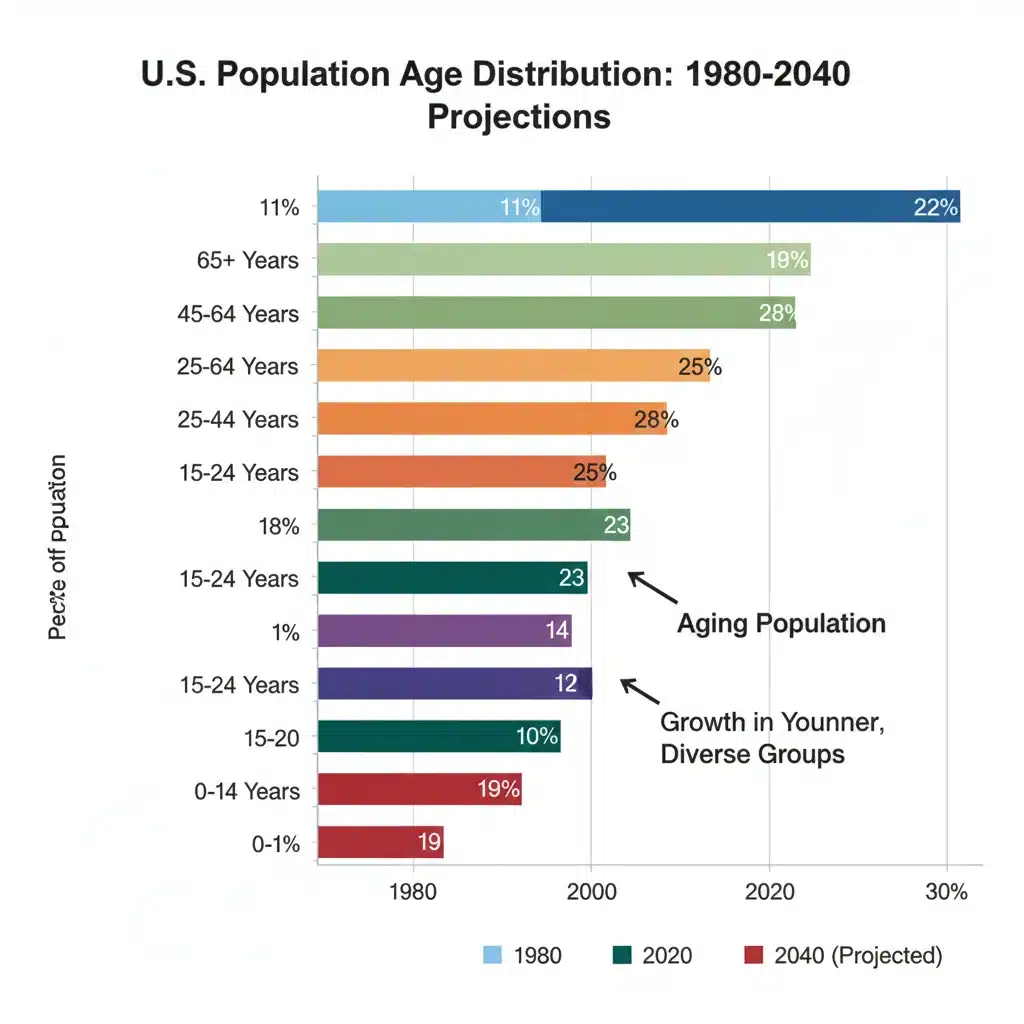
Perhaps the most widely discussed aspect of the US demographic shift is the aging of its population. The Baby Boomer generation, a historically large cohort, is entering retirement age, leading to a significant increase in the proportion of older adults. This trend is exacerbated by declining birth rates, which have been consistently below replacement levels for several years. The implications are far-reaching: a shrinking workforce relative to retirees, increased demand for healthcare and elder care services, and shifts in consumer spending patterns. Businesses must adapt to cater to an older demographic, while policymakers grapple with the sustainability of social security and Medicare.
Increasing Diversity: A Multiracial and Multicultural Future
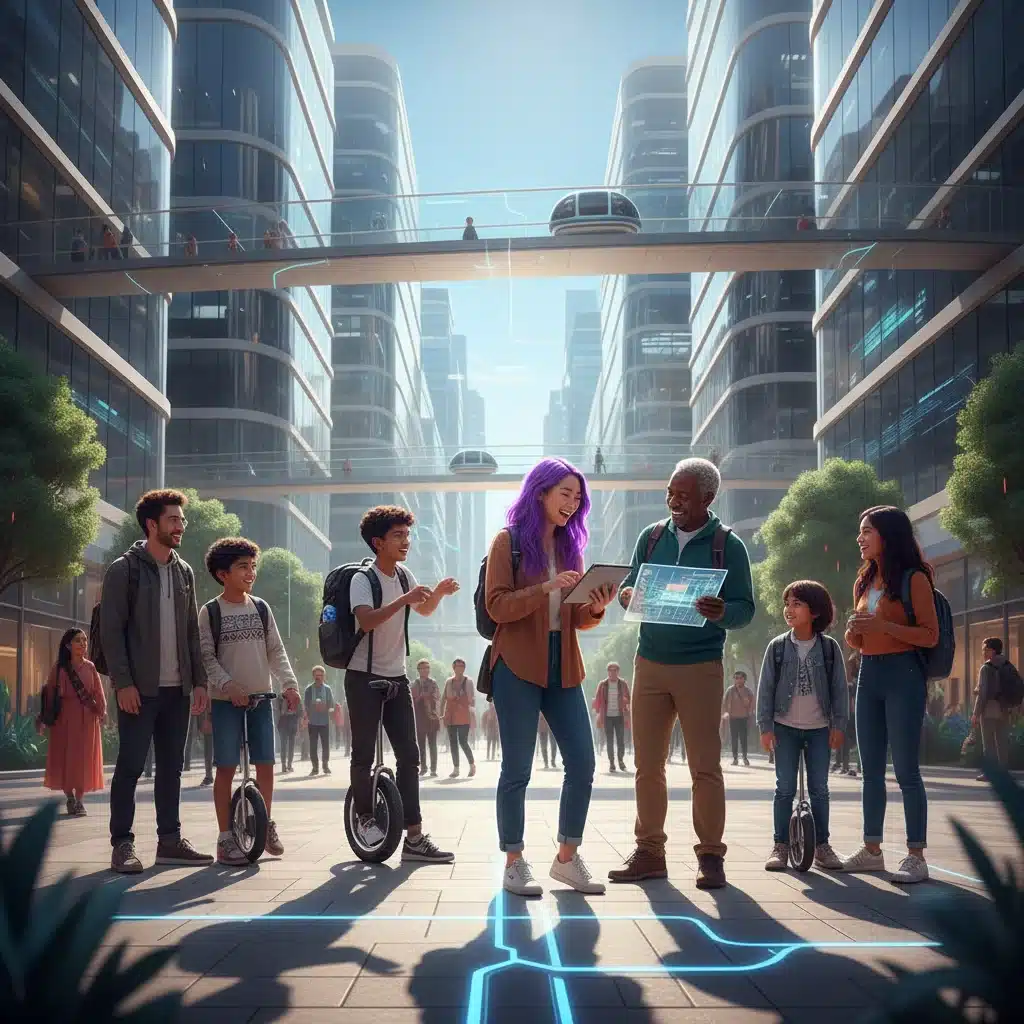
The U.S. has always been a melting pot, but its demographic composition is becoming even more diverse. Projections indicate that by mid-century, no single racial or ethnic group will constitute a majority. This increasing diversity is primarily driven by immigration and higher birth rates among minority populations. This enriches the nation culturally, brings new perspectives to the workforce, and fuels entrepreneurial activity. However, it also necessitates a greater focus on inclusivity, equity, and understanding across different cultural backgrounds to prevent social fragmentation and ensure all communities can thrive. The evolving consumer base, for instance, will demand more culturally relevant products and services.
Evolving Household Structures: Beyond the Traditional Family
The traditional nuclear family, once the cornerstone of American society, is no longer the sole dominant household model. The US demographic shift includes a rise in single-person households, single-parent families, multi-generational households, and same-sex partnerships. These changes affect everything from housing demand and urban planning to marketing strategies and social support systems. Understanding these diverse living arrangements is crucial for businesses developing products and services, as well as for governments designing social programs.
Internal Migration: Shifting Population Centers
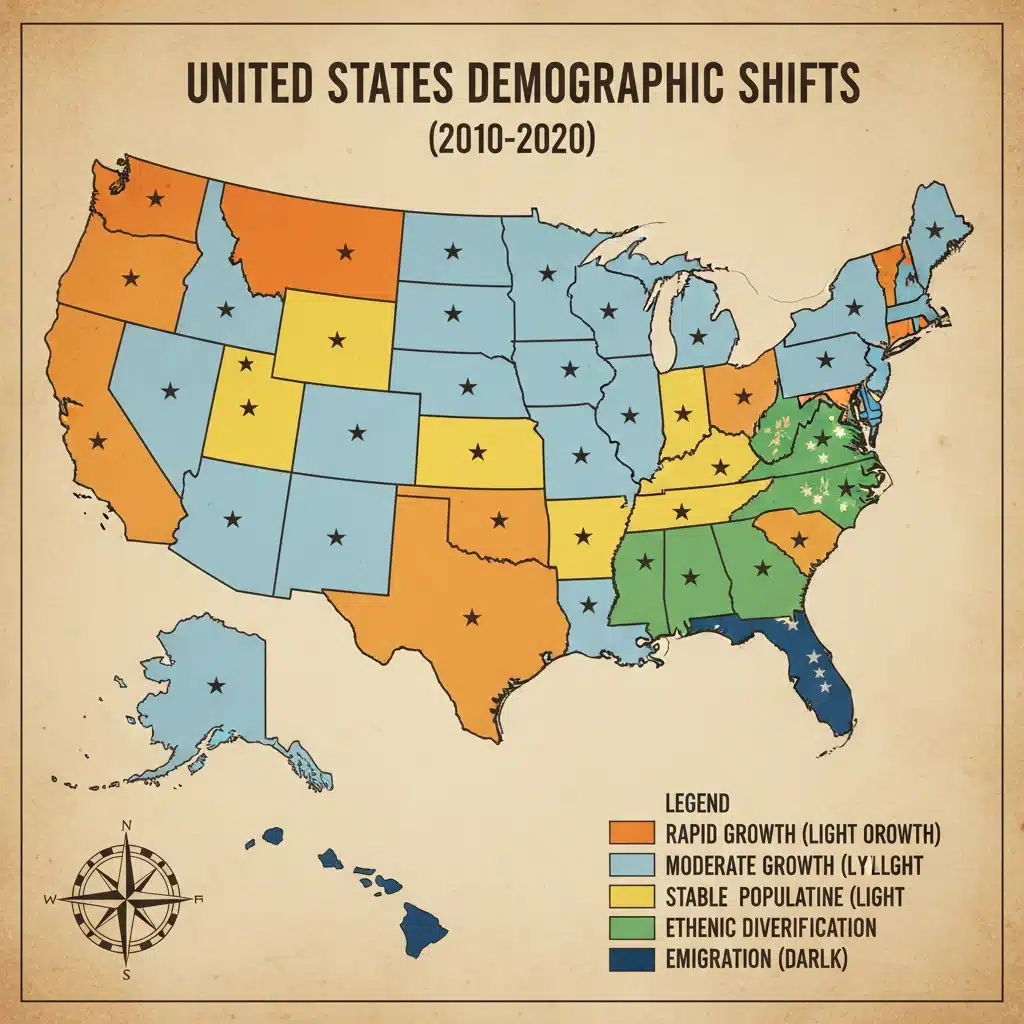
Beyond national trends, significant internal migration patterns are reshaping regional demographics. People are moving from colder, more expensive states to warmer, more affordable ones, particularly in the Sun Belt. Urban centers continue to attract young professionals, while some rural areas face population decline. This internal US demographic shift has profound implications for local economies, infrastructure development, housing markets, and political representation. States and cities experiencing rapid growth face challenges in providing adequate resources, while those losing population must find ways to revitalize their communities.
Challenges Posed by the US Demographic Shift
While the US demographic shift presents numerous opportunities, it also brings a unique set of challenges that require thoughtful consideration and proactive solutions. Ignoring these issues could lead to increased social inequalities, economic stagnation, and strained public services.
Workforce Shortages and Skill Gaps
The aging population, coupled with lower birth rates, is leading to a shrinking proportion of working-age adults. This can result in significant workforce shortages, particularly in critical sectors like healthcare, technology, and manufacturing. Furthermore, the skills required for the modern economy are constantly evolving, leading to potential skill gaps that the existing workforce may not possess. Businesses must invest in reskilling and upskilling programs, explore automation, and adapt recruitment strategies to attract and retain talent from diverse pools.
Strain on Social Security and Healthcare Systems
An increasing number of retirees relying on social security and Medicare, with a relatively smaller base of working individuals contributing to these systems, creates immense financial pressure. The sustainability of these vital social safety nets is a major concern. Discussions around policy reforms, including adjustments to retirement ages, benefit structures, and funding mechanisms, are becoming increasingly urgent.
Infrastructure and Urban Planning Demands
Internal migration patterns place significant strain on infrastructure in rapidly growing areas. Roads, public transportation, housing, and utilities must expand to accommodate new residents, while areas experiencing population decline may face underutilization of existing infrastructure. Effective urban planning and regional cooperation are essential to manage these shifts, ensuring sustainable growth and preventing resource depletion in some areas while avoiding decay in others.
Social Cohesion and Equity
While diversity is a strength, rapid demographic change can sometimes lead to social tensions if not managed thoughtfully. Ensuring equitable access to education, healthcare, and economic opportunities for all demographic groups is crucial. Addressing issues like racial disparities, income inequality, and cultural misunderstandings is paramount to fostering a cohesive and inclusive society. Investment in community programs, education, and inclusive policies will be vital.
Unlocking Opportunities: Leveraging the US Demographic Shift
Despite the challenges, the US demographic shift is a wellspring of new opportunities for those who are prepared to innovate and adapt. By understanding these emerging trends, businesses, entrepreneurs, and policymakers can position themselves for success in the coming decade.
Emerging Consumer Markets
The increasing diversity of the U.S. population translates into new and expanding consumer markets. Different ethnic and age groups have distinct preferences, cultural values, and purchasing habits. Businesses that successfully tailor their products, services, and marketing strategies to these diverse segments will gain a significant competitive advantage. This includes everything from food and entertainment to financial services and technology.
Innovation in Healthcare and Elder Care
The aging population creates a massive demand for innovative solutions in healthcare and elder care. This includes advancements in telemedicine, home healthcare services, assistive technologies, age-friendly housing, and specialized medical treatments. Entrepreneurs and companies focused on these areas will find a robust and growing market. Furthermore, preventative health and wellness programs targeting older adults will see increased demand.
Diverse Workforce and Entrepreneurship
A more diverse population brings a richer pool of talent, perspectives, and skills to the workforce. Companies that embrace diversity and inclusion will benefit from enhanced creativity, problem-solving abilities, and market understanding. Additionally, immigrant communities often exhibit high rates of entrepreneurship, leading to the creation of new businesses and job opportunities. Policies that support diverse talent pipelines and small business development can significantly boost economic vitality.
Technological Advancements and Automation
The challenges presented by an aging workforce and skill gaps can be partially addressed through technological advancements and automation. Investment in artificial intelligence, robotics, and other innovative technologies can increase productivity, fill labor shortages, and create new industries. This isn’t just about replacing human labor but about augmenting it, allowing the workforce to focus on higher-value tasks and improving overall efficiency.
Education and Lifelong Learning
As the workforce evolves and new skills are required, the demand for education and lifelong learning will intensify. Educational institutions, vocational training centers, and online learning platforms have an enormous opportunity to provide relevant programs for both young people entering the workforce and older adults seeking to reskill or upskill. This continuous learning model is vital for maintaining a competitive and adaptable workforce in the face of ongoing technological and demographic changes.
Strategies for Navigating the US Demographic Shift
Successfully navigating the US demographic shift requires a multi-pronged approach involving foresight, flexibility, and a commitment to inclusivity. Here are key strategies for various stakeholders:
For Businesses: Adapt or Be Left Behind
- Market Segmentation and Customization: Understand the diverse needs of different age groups, ethnic communities, and household types. Tailor products, services, and marketing messages accordingly.
- Workforce Development: Invest in training, reskilling, and upskilling programs for employees. Implement flexible work arrangements to attract and retain a multi-generational workforce. Foster a diverse and inclusive company culture.
- Innovation in Longevity Economy: Develop solutions for the aging population, from health tech and financial planning to leisure activities and accessible products.
- Embrace Automation: Leverage technology to improve efficiency and address potential labor shortages, freeing human capital for more complex tasks.
For Policymakers: Proactive Governance
- Immigration Reform: Develop comprehensive immigration policies that address economic needs, humanitarian concerns, and integration challenges.
- Social Safety Net Modernization: Re-evaluate and reform social security and healthcare systems to ensure their long-term sustainability for an aging population.
- Infrastructure Investment: Plan and invest in infrastructure that supports both growing urban centers and revitalizes declining rural areas.
- Education and Training Policies: Support lifelong learning initiatives, STEM education, and vocational training to prepare the workforce for future demands.
- Promote Inclusivity: Implement policies that reduce disparities and promote equitable access to resources for all demographic groups.
For Communities: Building Resilient and Inclusive Futures
- Community Planning: Develop age-friendly cities and towns. Plan for diverse housing needs and accessible public spaces.
- Intergenerational Programs: Foster connections between different age groups to build social cohesion and facilitate knowledge transfer.
- Support for Diversity: Invest in cultural programs, language services, and initiatives that celebrate and integrate diverse communities.
- Local Economic Development: Attract and retain businesses that align with the changing workforce and consumer base. Support local entrepreneurship.
The Future is Now: Preparing for the Next Decade
The US demographic shift is not a distant phenomenon; it is actively unfolding around us. The next decade will be a critical period for adapting to these changes and harnessing their potential. Those who recognize the profound implications of an aging, diversifying, and geographically shifting population will be best positioned to thrive.
The narrative around demographic change often focuses on challenges, but it’s crucial to also see the immense opportunities. A more diverse population brings a wider array of perspectives, innovations, and cultural richness. An older population represents a wealth of experience and a significant consumer market. By embracing these changes with an open mind and a strategic approach, the United States can continue to be a beacon of progress and opportunity.
The key lies in collaboration: between government, businesses, educational institutions, and communities. By working together, we can ensure that the US demographic shift leads to a more equitable, prosperous, and vibrant nation for all its inhabitants. The time to prepare, adapt, and innovate is now, ensuring that the next decade is defined by growth and shared success.
Conclusion: Embracing a Dynamic Future
In conclusion, the US demographic shift represents one of the most significant transformations facing the nation in the 21st century. It is a complex interplay of aging populations, increasing diversity, evolving household structures, and dynamic internal migration. While these shifts present considerable challenges in areas like workforce development, social security, and infrastructure, they also unlock unparalleled opportunities for innovation, new market creation, and a richer, more diverse society.
Successfully navigating this future demands proactive engagement from all sectors. Businesses must adapt their strategies to cater to new consumer segments and a multi-generational workforce. Policymakers need to enact forward-thinking reforms in immigration, social safety nets, and education. Communities must foster inclusivity and plan for sustainable growth. By embracing these changes, rather than resisting them, the United States can not only mitigate potential risks but also harness the immense potential inherent in its evolving population.
The next decade will undoubtedly be shaped by these demographic forces. Those who understand, anticipate, and strategically respond to the US demographic shift will be the architects of a more resilient, innovative, and prosperous future for the nation.