Gen Z Consumer Trends: Reshaping US Market Strategies
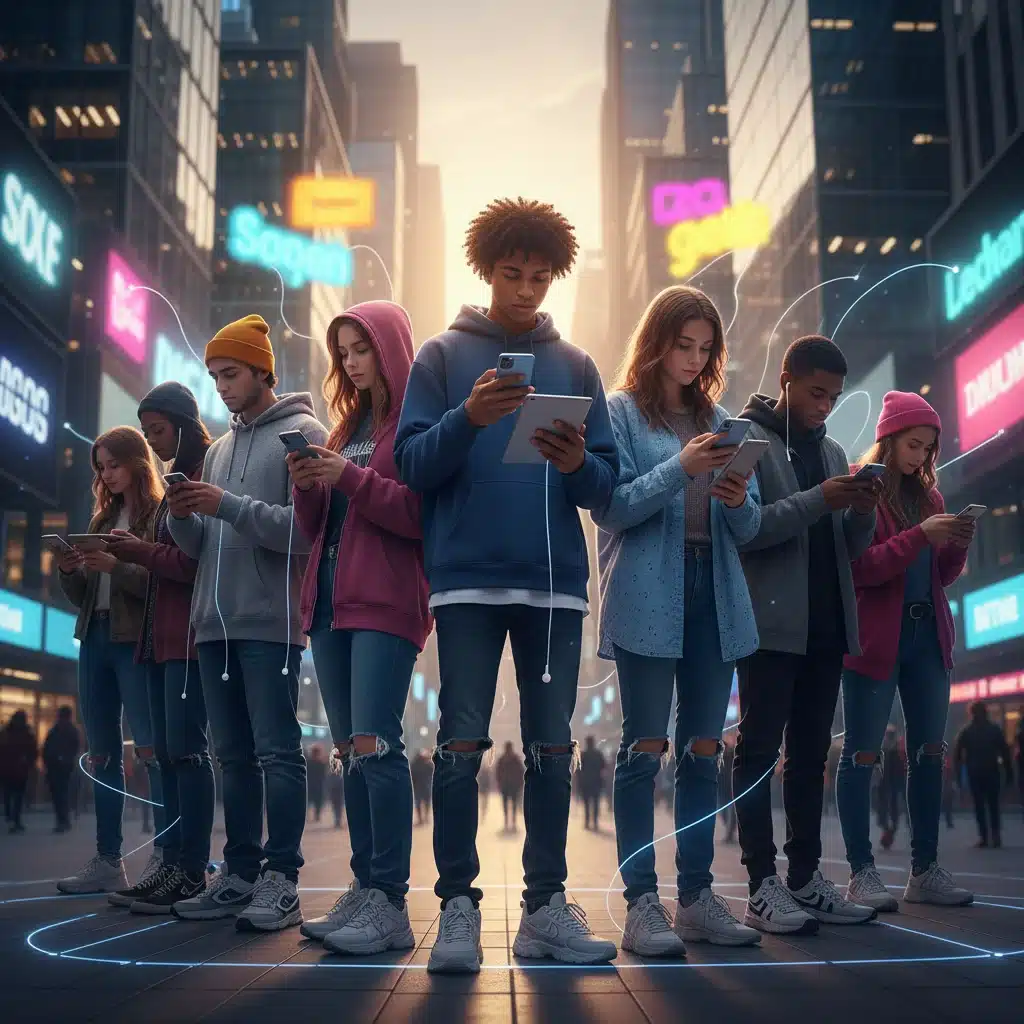
The consumer landscape in the United States is undergoing a seismic shift, driven by the emergence of a powerful new demographic: Generation Z. Comprising individuals born roughly between 1997 and 2012, this generation now accounts for a staggering 60% of new consumers entering the market. This isn’t just a statistical blip; it’s a fundamental reshaping of how businesses need to operate, market, and connect with their audience. Understanding these Gen Z consumer trends is no longer optional; it’s imperative for survival and growth.
For decades, marketers have meticulously studied Millennials, Generation X, and Baby Boomers, tailoring strategies to their unique characteristics. However, Gen Z presents an entirely new challenge and opportunity. They are the first true digital natives, having grown up with the internet, social media, and mobile technology as an inherent part of their daily lives. This upbringing has profoundly influenced their values, expectations, and, most importantly, their purchasing decisions. Businesses failing to grasp these nuances risk becoming irrelevant in an increasingly competitive marketplace.
This comprehensive guide will delve deep into the multifaceted impact of Gen Z, exploring the key characteristics that define them as consumers. We will examine their digital fluency, their commitment to social and environmental causes, their demand for authenticity, and their unique approaches to brand loyalty. Furthermore, we will provide actionable insights and strategies for businesses to effectively engage with this dominant consumer group, ensuring long-term success in the evolving U.S. market. Prepare to uncover the strategies that will help you thrive in the age of Gen Z consumer trends.
The Digital Native Advantage: How Technology Shapes Gen Z Consumer Trends
At the core of understanding Gen Z as consumers is their inherent relationship with technology. Unlike previous generations who adopted digital tools, Gen Z was born into a world saturated with them. This isn’t just about using a smartphone; it’s about a fundamentally different way of processing information, communicating, and interacting with the world. This digital native advantage significantly impacts Gen Z consumer trends.
Always On, Always Connected
For Gen Z, the line between online and offline is virtually non-existent. They are constantly connected, consuming content, communicating with peers, and researching products across multiple platforms simultaneously. This means businesses must maintain a consistent and engaging presence across a diverse array of digital channels, from TikTok and Instagram to YouTube and emerging social platforms. A static website is no longer enough; dynamic, interactive, and personalized digital experiences are paramount.
The Rise of Social Commerce
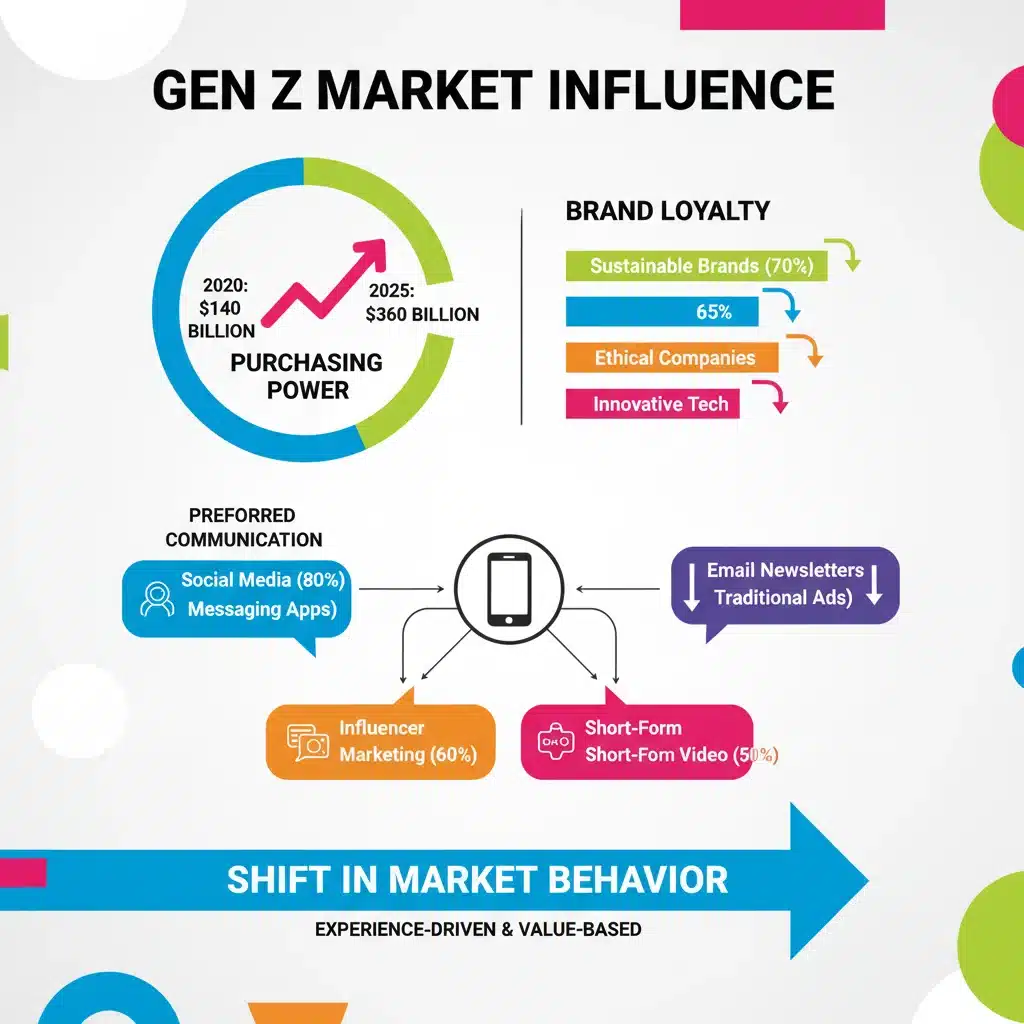
Social media is not just for entertainment; for Gen Z, it’s a primary shopping destination. They discover new products through influencers, peer recommendations, and targeted ads within their social feeds. Features like in-app shopping, live stream commerce, and direct messaging with brands are not just novelties; they are expected functionalities. Businesses must integrate their e-commerce efforts seamlessly with social media strategies, creating frictionless purchasing pathways directly from discovery to checkout. This integration is a critical aspect of understanding Gen Z consumer trends.
Information Overload and the Need for Authenticity
Growing up with an abundance of information at their fingertips has made Gen Z highly discerning. They are adept at filtering out noise and recognizing inauthenticity. They value transparency and honesty from brands. Glossy, overproduced advertisements often fall flat. Instead, they respond to user-generated content, genuine reviews, and brands that share their values. Influencer marketing, when done authentically with creators who truly align with a brand’s ethos, can be incredibly effective. However, a misstep can lead to swift backlash and a damaged reputation.
Personalization and Customization Expectations
Having grown up in an era of personalized algorithms and tailored content, Gen Z expects a similar level of individualization from brands. They want products, services, and marketing messages that feel specifically crafted for them. This extends beyond simply addressing them by name; it involves offering customizable products, personalized recommendations based on past behavior, and marketing campaigns that resonate with their specific interests and needs. Leveraging data ethically to create these personalized experiences is a key differentiator for brands targeting Gen Z consumer trends.
Values-Driven Consumption: Beyond Price and Quality
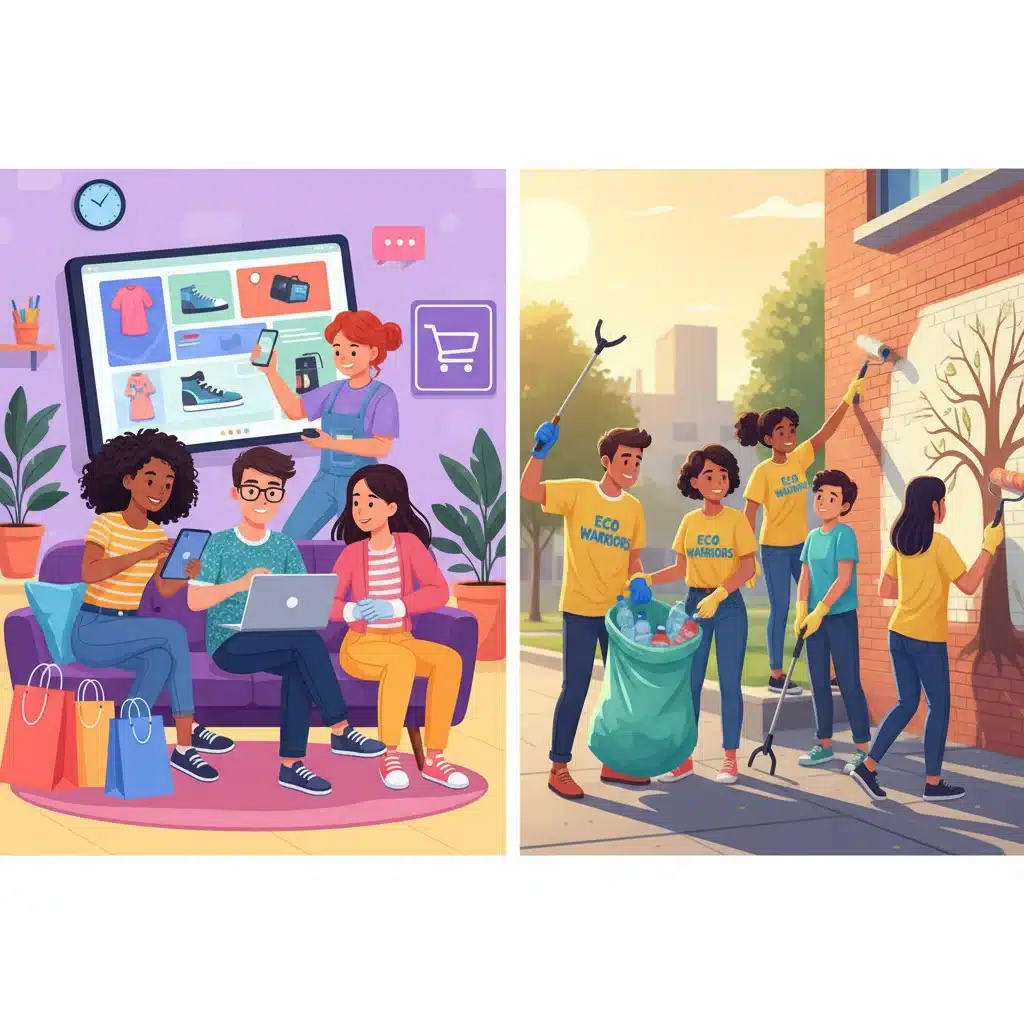
While price and quality remain important, Gen Z’s purchasing decisions are increasingly influenced by a brand’s values, ethics, and social stance. This generation is acutely aware of global issues and expects brands to be part of the solution, not the problem. This values-driven consumption is a defining characteristic of Gen Z consumer trends.
Sustainability and Environmental Responsibility
Climate change and environmental degradation are major concerns for Gen Z. They are more likely to support brands that demonstrate a genuine commitment to sustainability, from eco-friendly production methods and packaging to ethical sourcing and waste reduction. Greenwashing – making unsubstantiated environmental claims – is quickly detected and condemned. Brands must not only implement sustainable practices but also communicate them transparently and authentically. This isn’t just good for the planet; it’s good for business.
Social Justice and Corporate Responsibility
Gen Z is highly attuned to issues of social justice, equality, and diversity. They expect brands to take a stand on important societal issues and to demonstrate corporate social responsibility beyond mere philanthropy. This includes fair labor practices, diverse representation in advertising and leadership, and support for marginalized communities. Brands that remain silent on critical issues or, worse, are perceived as contributing to social problems, risk alienating this powerful consumer group. Their expectations for brands to be active participants in creating a better world are a significant factor in shaping Gen Z consumer trends.
Inclusivity and Diversity
Diversity and inclusion are non-negotiable for Gen Z. They expect to see themselves and their diverse experiences reflected in the brands they support. This means inclusive marketing campaigns that feature a wide range of ethnicities, body types, genders, and abilities. It also extends to product offerings that cater to diverse needs and preferences. Brands that embrace and celebrate diversity will build stronger connections with Gen Z consumers, fostering loyalty and advocacy.
Ethical Practices and Transparency
Beyond environmental and social issues, Gen Z demands ethical practices across the board. This includes fair wages for workers, responsible data handling, and transparency in supply chains. They are willing to do their research to ensure that brands align with their values. Companies that are open about their practices, even their imperfections, often gain more trust than those that attempt to project an image of unattainable perfection. This quest for ethical consumption is a cornerstone of Gen Z consumer trends.
The Experience Economy: More Than Just Products
For Gen Z, purchasing a product is often just one part of a larger experience. They value experiences, convenience, and seamless interactions across all touchpoints. This focus on the overall experience significantly influences their purchasing decisions and brand loyalty. Understanding this shift is vital for businesses navigating Gen Z consumer trends.
Seamless Omnichannel Experiences
Gen Z moves fluidly between online and offline channels. They might research a product online, try it on in a physical store, and then purchase it through an app. They expect a consistent and seamless experience regardless of the channel. This means integrated inventory systems, consistent branding, and personalized customer service whether they’re chatting with a bot online or speaking with a sales associate in person. Any friction in this journey can lead to abandonment.
Curated and Personalized Experiences
Beyond product customization, Gen Z seeks curated experiences that resonate with their individual tastes. This could involve personalized subscription boxes, exclusive access to events, or interactive digital content that makes them feel seen and valued. Brands that can offer unique, memorable experiences will stand out in a crowded market. These tailored experiences are a powerful driver of Gen Z consumer trends.
Emphasis on Convenience and Instant Gratification
Growing up in an on-demand world, Gen Z expects convenience and instant gratification. Fast shipping, easy returns, quick customer service responses, and frictionless checkout processes are not luxuries; they are fundamental expectations. Brands that can deliver on these fronts will gain a significant competitive advantage. Conversely, slow processes or cumbersome user interfaces will quickly deter Gen Z consumers.
Community and Connection
Despite their digital fluency, Gen Z values community and connection. They are drawn to brands that foster a sense of belonging, whether through online forums, exclusive communities, or real-world events. Brands that can facilitate connections among their customers, creating a shared identity and purpose, will cultivate deeper loyalty. This communal aspect is a subtle yet powerful force in Gen Z consumer trends.
Building Brand Loyalty with Gen Z: A New Paradigm
Traditional notions of brand loyalty are being redefined by Gen Z. While previous generations might have stuck with a brand out of habit or familiarity, Gen Z’s loyalty is earned through a combination of shared values, authentic engagement, and exceptional experiences. This new paradigm for building loyalty is crucial for understanding Gen Z consumer trends.
Authenticity Over Perfection
Gen Z prefers authenticity over polished perfection. They are wary of brands that seem too good to be true. Brands that are transparent about their challenges, admit mistakes, and engage in genuine dialogue with their audience are more likely to build trust. This doesn’t mean being unprofessional, but rather being relatable and human. Authenticity is the bedrock upon which Gen Z loyalty is built.
Purpose-Driven Marketing
Brands that clearly articulate their purpose beyond profit and demonstrate how they are making a positive impact on the world will resonate deeply with Gen Z. This goes beyond simple CSR initiatives; it’s about embedding purpose into the core of the brand’s identity and operations. When a brand’s purpose aligns with a Gen Z consumer’s values, it fosters a powerful connection that transcends transactional relationships.
Co-Creation and Collaboration
Gen Z wants to be part of the conversation, not just passive recipients of marketing messages. Brands that invite Gen Z to co-create products, participate in campaigns, or provide feedback will foster a sense of ownership and loyalty. This collaborative approach makes consumers feel valued and heard, strengthening their bond with the brand. This participatory approach is a growing aspect of Gen Z consumer trends.
Exceptional Customer Service
While Gen Z is independent, they also expect swift and effective customer service when issues arise. Accessible support across multiple channels (chatbots, social media DMs, email, phone) and quick resolutions are crucial. A single negative customer service experience can quickly lead to brand abandonment and negative word-of-mouth, which spreads rapidly within their interconnected networks.
Rewarding Loyalty Meaningfully
Traditional loyalty programs focused solely on discounts might not be enough for Gen Z. While discounts are appreciated, they also value experiential rewards, exclusive content, early access to new products, or opportunities to support causes they care about through their purchases. Loyalty programs should be innovative, personalized, and reflect the diverse values of this generation. Tailoring loyalty programs to their unique preferences is essential for capturing Gen Z consumer trends.
Strategies for Businesses: Adapting to Gen Z’s Influence
Given the profound influence of Gen Z, businesses must re-evaluate their entire approach, from product development to marketing and customer service. Here are actionable strategies to adapt and thrive:
1. Embrace Digital-First Marketing
Invest heavily in digital marketing channels where Gen Z spends their time. This includes short-form video content (TikTok, Reels), interactive social media campaigns, influencer collaborations, and engaging email marketing. Optimize all digital touchpoints for mobile devices, as this is their primary mode of interaction. Ensure your digital presence is not just about advertising, but about creating value and fostering community.
2. Prioritize Authenticity and Transparency
Review your brand messaging and ensure it is authentic, honest, and transparent. Avoid overly polished or fabricated content. Share your brand’s story, values, and even your challenges. Engage in genuine dialogue with your audience on social media, responding to comments and feedback with empathy and sincerity. Authenticity builds trust, which is paramount for Gen Z consumer trends.
3. Integrate Purpose and Values
Identify your brand’s core values and demonstrate how they align with social and environmental responsibility. This isn’t just about PR; it’s about embedding these values into your business operations, supply chain, and corporate culture. Communicate your efforts transparently and show tangible impact. Gen Z wants to support brands that are actively contributing to a better world.
4. Offer Personalized and Experiential Value
Move beyond generic offerings. Explore ways to personalize products, services, and marketing messages. Focus on creating seamless, convenient, and engaging experiences across all customer touchpoints. Consider subscription models, exclusive content, or interactive events that provide added value beyond the core product. The emphasis on experience is a key driver for Gen Z consumer trends.
5. Foster Community and Co-Creation
Create opportunities for Gen Z consumers to connect with your brand and with each other. This could involve user-generated content campaigns, online forums, feedback panels, or collaborative product development initiatives. Empower them to be part of your brand’s journey, making them feel valued and invested. Community building is a powerful tool for long-term loyalty with Gen Z consumer trends.
6. Embrace Inclusivity and Diversity
Ensure your marketing, product development, and internal teams reflect the diversity of Gen Z. Feature a wide range of individuals in your advertising and ensure your products are accessible and appealing to diverse groups. Inclusivity is not just a trend; it’s a fundamental expectation. Brands that genuinely embrace diversity will earn the respect and loyalty of this generation.
7. Leverage Data Ethically
Utilize data analytics to understand Gen Z’s preferences, behaviors, and pain points. Use these insights to personalize experiences and optimize marketing efforts. However, always prioritize data privacy and transparency. Gen Z is savvy about data usage and will quickly lose trust if they feel their information is being exploited or mishandled. Ethical data practices are crucial for navigating Gen Z consumer trends.
8. Agility and Adaptability
The digital landscape and consumer preferences are constantly evolving, particularly with Gen Z. Businesses must remain agile and adaptable, willing to experiment with new platforms, marketing tactics, and product offerings. What works today might not work tomorrow, so a culture of continuous learning and innovation is essential for staying ahead of Gen Z consumer trends.
The Future is Now: Gen Z’s Enduring Impact
The influence of Gen Z is not a fleeting phenomenon; it is a fundamental and enduring shift in the consumer landscape. As 60% of new U.S. consumers, their values, behaviors, and expectations are setting the new standard for market engagement. Businesses that recognize this shift and proactively adapt their strategies will be well-positioned for success in the coming decades.
Ignoring the Gen Z consumer trends is a perilous path. This generation possesses immense purchasing power, is highly influential within their networks, and demands a new level of authenticity, purpose, and experience from the brands they choose to support. By embracing their digital fluency, aligning with their values, prioritizing transparency, and fostering genuine connections, businesses can not only capture the loyalty of Gen Z but also build a more resilient and responsible brand for the future.
The time to understand and engage with Gen Z is now. Their impact will continue to grow, shaping not just market strategies but also the very fabric of commerce and society. Are you ready to meet them where they are and build a future together?