Revitalize Intellectual Curiosity: A 4-Week US Plan

From Stagnation to Spark: A 4-Week Plan to Revitalize Your Intellectual Curiosity in the US
In the bustling rhythm of American life, it’s easy to fall into a routine that, while efficient, can sometimes stifle the natural human urge to explore, question, and learn. The daily grind, the constant flow of information, and the demands of work and personal life can inadvertently lead to a sense of intellectual stagnation. That vibrant spark of curiosity that once fueled our childhood explorations might seem to dim, leaving us feeling uninspired or simply ‘going through the motions.’ But what if you could reignite that flame? What if you could consciously choose to revitalize intellectual curiosity and embark on a journey of discovery right here in the US?
This comprehensive 4-week plan is designed precisely for that purpose. It’s not about adding more stress to your already packed schedule, but rather about strategically integrating new habits and perspectives that will slowly but surely awaken your innate desire to learn and understand. We’ll explore various facets of intellectual engagement, from deep dives into new subjects to fostering creative thinking and connecting with like-minded individuals. Each week builds upon the last, offering practical steps and insights tailored to the diverse opportunities available across the United States. By the end of this month-long journey, you’ll not only have a renewed sense of wonder but also a robust toolkit to sustain your intellectual growth for years to come. Let’s transform that stagnation into a brilliant spark!
Understanding the Roots of Intellectual Stagnation
Before we can effectively revitalize intellectual curiosity, it’s crucial to understand why it might have waned in the first place. Several factors contribute to this common phenomenon, especially in a fast-paced society like the US.
The Information Overload Paradox
We live in an era of unprecedented access to information. While this sounds like a boon for curiosity, it can often be its bane. The sheer volume of news, social media feeds, and digital content can be overwhelming, leading to a superficial engagement with many topics rather than a deep dive into a few. Our brains, constantly bombarded, may become desensitized, and the joy of discovery gets lost in the noise.
Routine and Comfort Zones
Human beings are creatures of habit. Routines provide comfort, predictability, and efficiency. However, an overreliance on routine can inadvertently limit exposure to new ideas, experiences, and perspectives. When we stop challenging our assumptions or stepping outside our established comfort zones, our intellectual muscles can atrophy. The US, with its diverse geographic and cultural landscapes, offers endless opportunities to break these routines, yet many remain within their familiar bubbles.
Fear of Failure or Judgment
Learning something new often involves a period of awkwardness, mistakes, and feeling less than expert. For adults, especially in a performance-driven culture, the fear of not being good enough or being judged can be a significant barrier to exploring new intellectual territories. This fear can prevent us from asking ‘dumb’ questions or pursuing subjects we know little about, thereby stifling curiosity.
Lack of Time and Energy
Between work, family, and personal obligations, many Americans feel chronically short on time and energy. Intellectual pursuits, which often require dedicated focus and mental effort, can feel like a luxury rather than a necessity. When exhaustion sets in, passive entertainment often wins over active learning, further contributing to a decline in intellectual engagement.
The Echo Chamber Effect
In the digital age, algorithms often feed us content that aligns with our existing beliefs and interests. While this can make for a comfortable online experience, it also creates intellectual echo chambers, limiting exposure to diverse viewpoints and challenging ideas. True curiosity thrives on encountering the unfamiliar and grappling with differing perspectives.
Recognizing these challenges is the first step towards overcoming them. This 4-week plan is designed to systematically address these barriers and help you consciously and actively revitalize intellectual curiosity, transforming your approach to learning and life.
Week 1: Re-Engage and Reflect – Laying the Foundation
The first week is all about introspection and gentle re-engagement. We start by reconnecting with what genuinely interests you and creating space for intellectual pursuits.
Day 1-2: Curiosity Audit and Rediscovery
- Task: Dedicate an hour to a ‘Curiosity Audit.’ Grab a notebook and list everything that genuinely excites you, even if it seems trivial. What topics did you love in school? What documentaries captivate you? What questions pop into your head but get dismissed?
- Action: Revisit an old hobby or interest you once loved but abandoned. It could be painting, playing an instrument, or even just reading about a historical period. The goal is to tap into existing wells of interest to kickstart the process to revitalize intellectual curiosity.
- US Context: Think about local museums, historical societies, or public libraries in your area that might have resources related to these past interests.
Day 3-4: Mindful Information Consumption
- Task: Consciously reduce passive information consumption. Instead of endlessly scrolling, choose one article, podcast, or short documentary on a topic from your audit list.
- Action: Practice ‘active reading/listening.’ Take notes, highlight interesting points, and formulate questions as you consume the content. Don’t just absorb; interact.
- US Context: Utilize platforms like NPR, PBS, or university open courseware (e.g., Coursera, edX from US universities) for high-quality, engaging content.
Day 5-7: Structured Learning Time & Environment
- Task: Designate a specific, short block of time (e.g., 20-30 minutes) each day for dedicated intellectual exploration. Treat it like an important appointment.
- Action: Create a conducive learning environment. This might mean tidying your desk, going to a local coffee shop, or finding a quiet corner in your home. Minimize distractions.
- US Context: Many US cities have excellent public libraries with quiet study areas. Even a local park can be a great place for reflective reading or listening.
By the end of Week 1, you should have a clearer understanding of your existing intellectual inclinations and have started to carve out dedicated space for learning. This foundational work is crucial to truly revitalize intellectual curiosity.
Week 2: Broaden Horizons – Embrace the New
With a foundation established, Week 2 focuses on gently pushing the boundaries of your comfort zone and intentionally seeking out new and diverse intellectual stimuli.
Day 8-10: Explore Unfamiliar Domains
- Task: Choose a topic entirely outside your usual interests or professional field. This could be astrophysics, ancient history, modern art, or a different culture’s philosophy.
- Action: Engage with this new topic through accessible entry points: a beginner’s guide book, a highly-rated introductory podcast series, or a YouTube channel dedicated to explaining complex concepts simply.
- US Context: Look for introductory courses or workshops at local community colleges, adult education centers, or even online platforms offering micro-credentials from US institutions.
Day 11-12: The Power of ‘Why?’
- Task: For every new piece of information you encounter, consciously ask ‘Why?’ at least three times. For example, if you learn about a historical event, ask: Why did it happen? Why is it significant? Why is it remembered this way?
- Action: Journal your ‘why’ questions and your initial thoughts. Don’t worry about finding definitive answers immediately; the process of questioning is what matters.
- US Context: Apply this to local news, community developments, or even everyday phenomena you observe in your US environment. Why are certain trends popular? Why is a particular policy being debated?
Day 13-14: Engage with Different Perspectives
- Task: Seek out content (articles, books, podcasts) from authors or creators who hold different viewpoints from your own, especially on topics you feel strongly about.
- Action: Approach this content with an open mind, aiming to understand their perspective rather than to refute it. Identify the core arguments and the evidence they use.
- US Context: Read op-eds from various political leanings, listen to debates, or explore cultural commentaries from different ethnic or regional groups within the US.

By the end of Week 2, you should feel a noticeable shift in your intellectual landscape, having actively sought out and engaged with entirely new ideas and perspectives. This intentional broadening is key to sustaining your efforts to revitalize intellectual curiosity.
Week 3: Connect and Create – Deepening Engagement
Week 3 moves from individual exploration to interactive engagement. Connecting with others and creating something new are powerful ways to solidify learning and deepen curiosity.
Day 15-17: Discuss and Debate
- Task: Find opportunities to discuss what you’ve been learning with others. This could be a friend, family member, or a colleague.
- Action: Join an online forum, a book club, or a local interest group (e.g., a philosophy club, a science café, a history discussion group). The act of articulating your thoughts and listening to others is incredibly stimulating.
- US Context: Meetup.com is a fantastic resource for finding local groups in the US dedicated to almost any interest. Universities often host public lectures and discussion panels.
Day 18-19: Teach or Explain
- Task: Choose a concept or topic you’ve recently learned about and try to explain it to someone else in simple terms, or even just to yourself aloud.
- Action: Consider writing a short blog post, a social media thread, or even just detailed notes as if you were preparing to teach. The process of organizing your thoughts to explain them reveals gaps in your understanding and reinforces knowledge.
- US Context: Many local libraries and community centers offer volunteer opportunities to tutor or teach, which can be an excellent way to consolidate your learning.
Day 20-21: Creative Application
- Task: Find a way to creatively apply or express something you’ve learned. This isn’t about perfection; it’s about engagement.
- Action: If you’re learning about a historical period, try writing a short story set in that era. If it’s a scientific concept, try to draw a diagram explaining it. If it’s a new culture, try cooking a dish from that culture.
- US Context: Art studios, community workshops, and maker spaces are becoming increasingly prevalent across the US, offering resources for creative expression.
By the end of Week 3, you’ll not only be consuming new information but actively processing, discussing, and creating with it, significantly helping to revitalize intellectual curiosity on a deeper level.
Week 4: Sustain and Integrate – Lifelong Learning Habits
The final week is dedicated to embedding these new habits into your long-term lifestyle, ensuring that your revitalized intellectual curiosity isn’t just a temporary spark but a continuous flame.
Day 22-24: Curate Your Learning Journey
- Task: Based on your experiences over the past three weeks, identify 1-2 core areas of interest you want to pursue more deeply.
- Action: Create a ‘learning roadmap’ for these areas. What books do you want to read? What courses could you take? Who are the experts you want to follow? Set realistic, achievable goals.
- US Context: Explore university extension programs, specialized online academies, or professional associations related to your chosen fields.
Day 25-26: Embrace Spontaneity and Serendipity
- Task: Dedicate time to unstructured exploration. Wander through a bookstore, browse a new section of the library, or click on a thought-provoking link without a specific goal.
- Action: Allow yourself to be drawn to things that simply catch your eye. Sometimes the most profound discoveries come from unexpected detours.
- US Context: Visit local markets, independent bookstores, or cultural festivals. These often expose you to diverse ideas and products you wouldn’t typically encounter.
Day 27-28: Reflect and Plan for the Future
- Task: Review your journal and notes from the past four weeks. What surprised you? What challenged you? How has your perspective changed?
- Action: Develop a sustainable routine for ongoing intellectual engagement. This might be a weekly ‘curiosity hour,’ a commitment to finishing one non-fiction book a month, or regularly attending local lectures.
- US Context: Consider subscribing to newsletters from US-based intellectual organizations, think tanks, or educational institutions to stay informed and inspired.
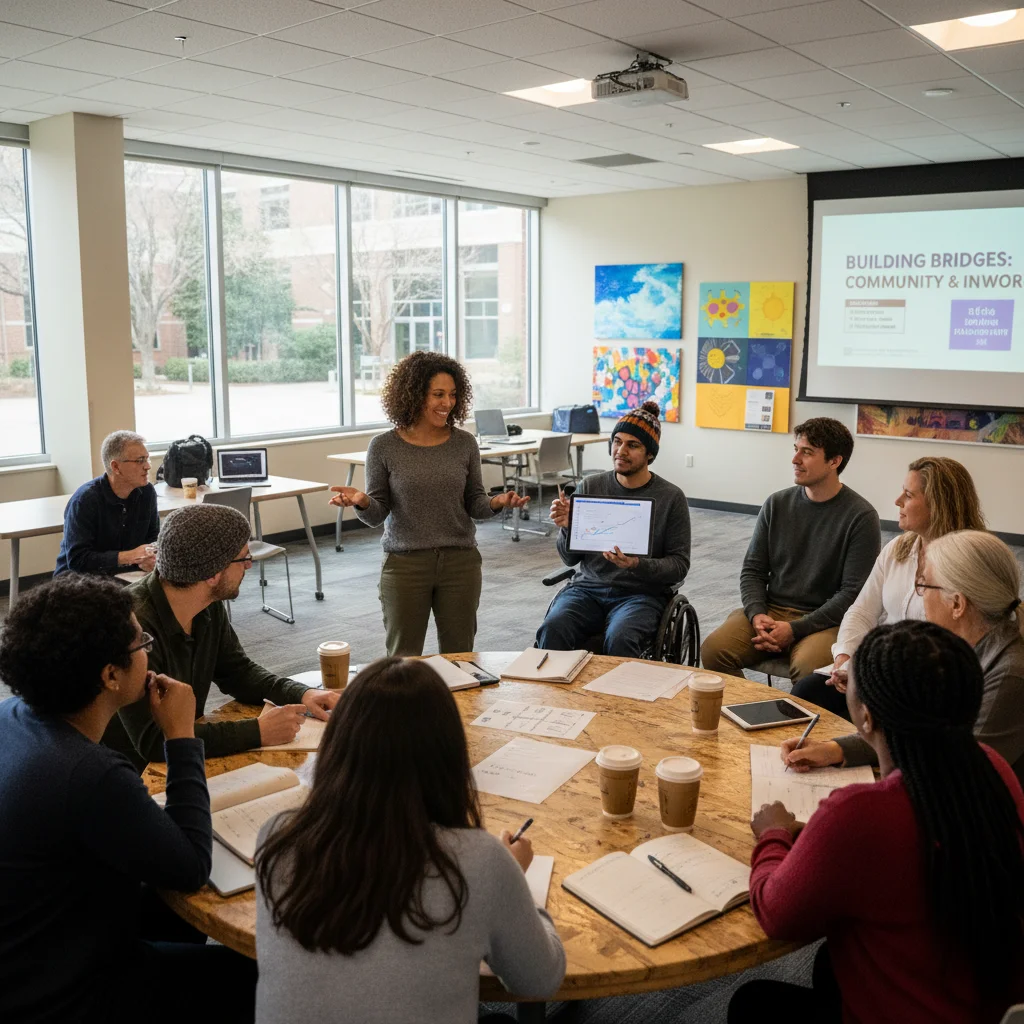
By the end of Week 4, you will not only have successfully reignited your intellectual spark but also built robust habits to ensure that your journey of discovery continues indefinitely. You will have learned how to actively revitalize intellectual curiosity and keep it burning bright.
Beyond the 4 Weeks: Sustaining Your Intellectual Spark
The 4-week plan is a catalyst, not a destination. To truly sustain and deepen your intellectual curiosity, consider these ongoing practices:
Cultivate a ‘Growth Mindset’
Embrace the belief that your intelligence and abilities can grow through dedication and hard work. See challenges as opportunities to learn, rather than obstacles to avoid. This mindset is fundamental to keeping your curiosity alive.
Practice Active Listening and Observation
In conversations, truly listen to understand, not just to respond. Observe the world around you with a keen eye, noticing details and patterns you might have previously overlooked. The US is a tapestry of cultures, landscapes, and ideas – there’s always something new to observe.
Embrace Discomfort
True intellectual growth often happens when we step outside our comfort zones. Don’t shy away from complex topics, challenging debates, or unfamiliar experiences. These are the fertile grounds for new insights.
Keep a Curiosity Journal
Regularly jot down questions, observations, new facts, and ideas. This practice not only reinforces learning but also helps you track your intellectual journey and identify emerging interests.
Connect with Diverse Minds
Actively seek out individuals from different backgrounds, professions, and cultures. Engaging in thoughtful dialogue with people who see the world differently is one of the most powerful ways to expand your own understanding and revitalize intellectual curiosity.
Regularly Unplug and Reflect
In our hyper-connected world, it’s vital to schedule time away from screens and distractions. Use this time for quiet reflection, deep reading, or simply letting your mind wander. These moments of stillness are often when new connections are made and creative ideas emerge.
Travel and Explore Locally
You don’t need to cross oceans to discover new things. Explore different neighborhoods in your city, visit nearby towns, or take a road trip to a state park. Each new environment offers fresh perspectives and learning opportunities, contributing to your goal to revitalize intellectual curiosity.
Conclusion: A Lifelong Journey of Discovery
The journey to revitalize intellectual curiosity is a deeply personal and incredibly rewarding one. It’s about reclaiming a fundamental part of what makes us human – the innate drive to understand, to explore, and to grow. This 4-week plan provides a structured yet flexible framework to kickstart that process, offering actionable steps that are easily integrated into American life.
Remember, curiosity isn’t a finite resource; it’s a muscle that strengthens with use. By consistently engaging with new ideas, challenging your assumptions, and connecting with the world around you, you’ll not only enrich your own life but also contribute to a more vibrant, thoughtful society. So, take the first step today. Embrace the unknown, ask the ‘why,’ and let your intellectual spark ignite into a lifelong flame of discovery.