Sustainable Futures: Comparing 3 Leading U.S. Green Energy Investment Trends for 2026
Sustainable Futures: Comparing 3 Leading U.S. Green Energy Investment Trends for 2026
The global shift towards sustainable practices has catalyzed an unprecedented surge in green energy investments. As we approach 2026, the United States stands at the forefront of this revolution, driven by ambitious climate goals, supportive policies, and rapidly evolving technologies. Investors, both institutional and individual, are increasingly seeking opportunities within the renewable energy sector, not only for their environmental benefits but also for their robust financial returns.
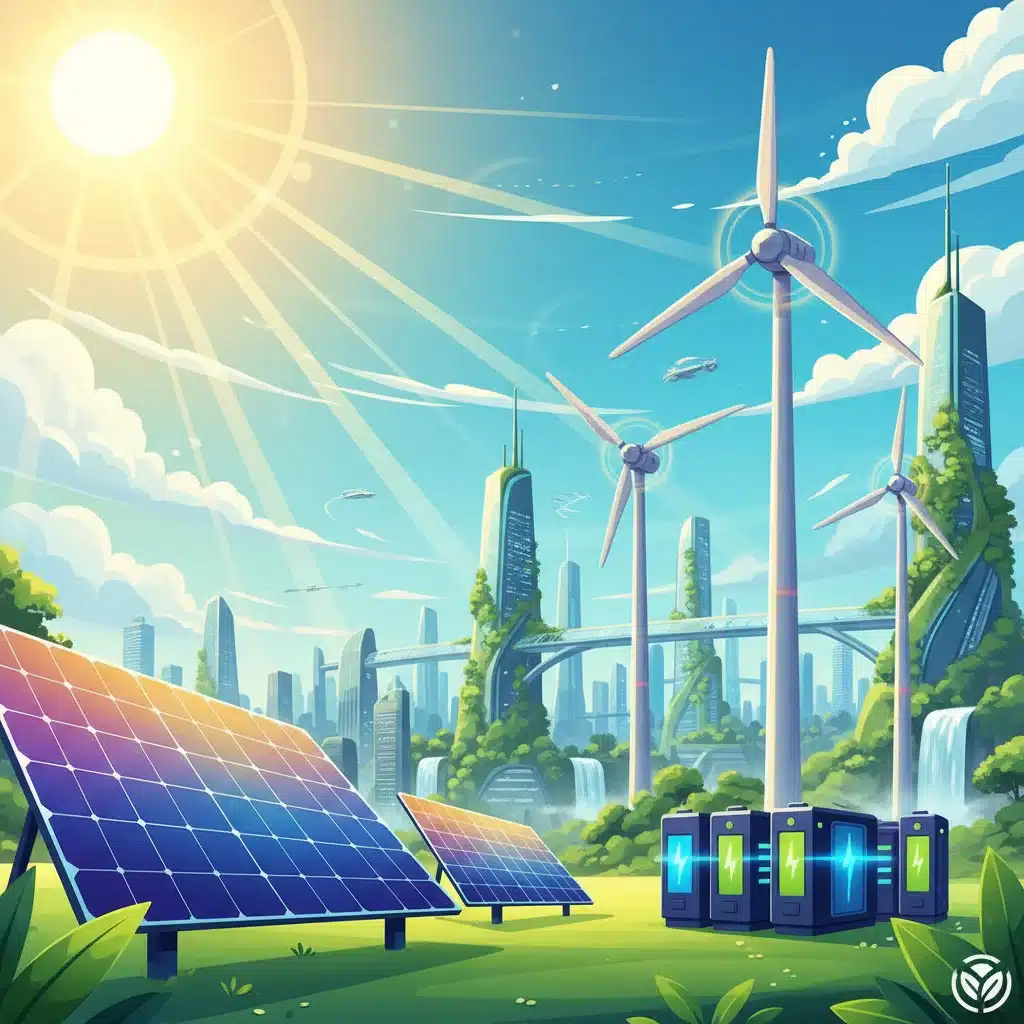
Understanding the landscape of U.S. green energy investments is crucial for anyone looking to capitalize on this transformative period. This comprehensive analysis delves into the three leading green energy investment trends projected to dominate the U.S. market by 2026: solar power, wind energy, and advanced battery storage solutions. We will compare their growth trajectories, technological advancements, policy frameworks, and inherent challenges, providing a holistic view for informed decision-making.
The Unstoppable Rise of Solar Power: A Bright Investment Horizon
Solar power has long been a cornerstone of the renewable energy movement, and its growth trajectory in the U.S. remains exceptionally strong. By 2026, solar is anticipated to continue its reign as one of the most attractive green energy investments, fueled by decreasing costs, technological innovations, and widespread adoption across residential, commercial, and utility-scale sectors.
Technological Advancements Driving Solar Investment
Recent breakthroughs in solar panel efficiency, such as perovskite solar cells and bifacial modules, are significantly increasing energy yield and reducing land footprint. Furthermore, advancements in manufacturing processes are continually driving down the levelized cost of electricity (LCOE) for solar, making it increasingly competitive with traditional fossil fuels. The integration of artificial intelligence (AI) and machine learning (ML) for predictive maintenance and grid optimization is also enhancing the reliability and performance of solar installations, further bolstering their investment appeal.
Policy Support and Market Dynamics
Federal and state policies play a pivotal role in accelerating solar adoption. The Investment Tax Credit (ITC), extended and enhanced by recent legislation, provides a substantial incentive for solar projects. State-level Renewable Portfolio Standards (RPS) and net metering policies further create a favorable market for solar development. The increasing demand for corporate sustainability initiatives and the desire for energy independence among homeowners also contribute to the robust demand for solar solutions. This confluence of factors makes solar power a prime area for green energy investments.
Challenges and Opportunities in Solar
Despite its bright outlook, solar power faces challenges such as intermittency, land use concerns for large-scale projects, and grid integration complexities. However, these challenges also present opportunities for innovation in energy storage and smart grid technologies. Investment in these ancillary sectors, which support solar’s widespread deployment, represents another layer of opportunity within the broader solar ecosystem.
Wind Energy: Harnessing the Power of the Air for Sustainable Returns
Wind energy, particularly offshore wind, is set to experience monumental growth in the U.S. by 2026, positioning itself as another leading avenue for green energy investments. The nation’s vast coastlines and abundant wind resources offer immense potential for large-scale renewable power generation, significantly contributing to decarbonization efforts.
Offshore Wind: The Next Frontier
While onshore wind has seen substantial development, offshore wind is emerging as a game-changer. The U.S. has ambitious targets for offshore wind deployment, with several multi-gigawatt projects already in various stages of development along the Atlantic and Pacific coasts. These projects benefit from higher capacity factors compared to onshore wind, thanks to more consistent and stronger winds at sea. The sheer scale of these projects translates into significant capital investment opportunities across manufacturing, construction, and operational phases.
Technological Innovations in Wind Power
Larger, more efficient wind turbines, some exceeding 15 MW in capacity, are becoming standard, increasing energy output per installation. Advances in foundation technologies, including floating offshore wind platforms, are opening up new development areas in deeper waters, further expanding the potential for green energy investments in this sector. Digitalization and advanced analytics are also being employed to optimize turbine performance, predict maintenance needs, and improve overall operational efficiency.
Policy and Economic Drivers for Wind Investments
Similar to solar, wind energy benefits from strong federal and state support, including production tax credits (PTCs) and investment tax credits (ITCs) for qualifying projects. State-level procurement targets and economic development incentives for offshore wind manufacturing and supply chains are also creating a fertile ground for investment. The increasing demand from corporations and utilities for large-scale renewable energy procurement further underpins the financial viability of wind projects.
Battery Storage Solutions: The Linchpin of a Reliable Green Grid
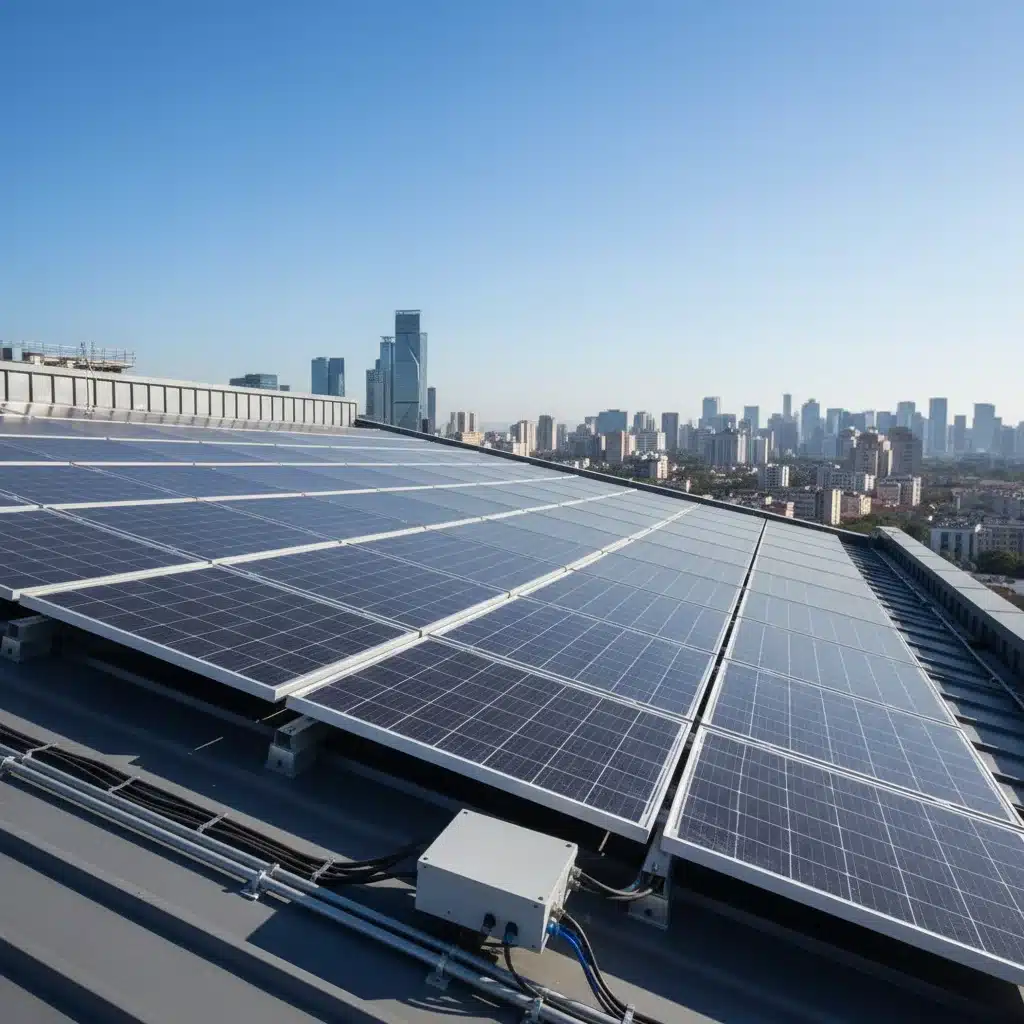
While solar and wind generate clean electricity, their intermittent nature necessitates robust energy storage solutions to ensure grid stability and reliability. This makes advanced battery storage a critical and rapidly expanding area for green energy investments, poised for explosive growth by 2026.
The Indispensable Role of Battery Storage
Battery storage systems are essential for integrating high penetrations of renewable energy into the grid. They store excess electricity generated during periods of high production (e.g., sunny afternoons for solar, windy nights for wind) and release it when demand is high or renewable generation is low. This capability smooths out power fluctuations, provides grid services like frequency regulation, and enhances overall grid resilience. As the U.S. pushes for a 100% clean energy grid, the demand for sophisticated storage solutions will only intensify.
Technological Innovations and Cost Reductions
Lithium-ion batteries currently dominate the market, but significant research and development are underway in alternative chemistries such as flow batteries, solid-state batteries, and long-duration storage technologies. These innovations aim to improve energy density, cycle life, safety, and reduce costs further. The automotive industry’s push for electric vehicles (EVs) is also driving down battery manufacturing costs through economies of scale, benefiting grid-scale storage applications. This makes battery storage an increasingly attractive area for green energy investments.
Policy and Market Drivers for Storage
Government incentives, including tax credits for standalone storage projects and those co-located with renewables, are accelerating deployment. State-level mandates for energy storage procurement and market reforms that value grid services provided by storage are also creating strong market signals. Furthermore, the increasing frequency of extreme weather events and grid vulnerabilities highlights the critical need for resilient energy infrastructure, making battery storage a strategic investment for grid operators and utilities.
Comparative Analysis: Solar, Wind, and Battery Storage by 2026
While all three sectors offer compelling opportunities for green energy investments, their growth drivers, risk profiles, and investment horizons differ. Understanding these nuances is key to strategic portfolio allocation.
Growth Trajectories and Market Size
- Solar Power: Expected to maintain its leading position in terms of deployed capacity, driven by continued cost reductions and widespread distributed generation. Utility-scale solar, often paired with storage, will also see significant expansion.
- Wind Energy: Offshore wind will be the primary growth engine, with multi-billion-dollar projects coming online. Onshore wind will continue to expand, albeit at a potentially slower pace than offshore, focusing on repowering and efficiency improvements.
- Battery Storage: Projected to have the highest percentage growth rate among the three, driven by its essential role in grid modernization and renewable energy integration. The market for both short-duration and long-duration storage will expand dramatically.
Technological Maturity and Innovation Pace
- Solar Power: A relatively mature technology, but continuous incremental improvements in efficiency and manufacturing processes keep it competitive. Focus on smart inverters and grid integration.
- Wind Energy: Onshore wind is mature, but offshore wind is rapidly evolving with larger turbines and floating platforms. Significant R&D in materials science and operational intelligence.
- Battery Storage: A rapidly innovating sector with new chemistries and system designs constantly emerging. High potential for disruptive technologies that could reshape the market.
Policy and Regulatory Environment
- Solar Power: Benefits from well-established federal and state incentives, though net metering policies can vary significantly by state.
- Wind Energy: Strong federal support for both onshore and offshore, with significant state-level commitments for offshore wind development. Regulatory hurdles for offshore permitting can be complex.
- Battery Storage: Increasingly supported by federal tax credits and state mandates. Market design changes by FERC (Federal Energy Regulatory Commission) are also opening up new revenue streams for storage.
Investment Considerations and Risk Factors
While the outlook for green energy investments is overwhelmingly positive, potential investors should be aware of specific considerations and risks associated with each sector.
Solar Investment Risks
Risks include policy changes that could impact incentives, supply chain disruptions (e.g., for polysilicon), and potential oversupply in certain markets. Intermittency requires pairing with storage or other flexible resources, adding to project complexity and cost. However, the diversification of solar applications (residential, commercial, utility-scale) helps mitigate some of these risks.
Wind Investment Risks
Wind projects, especially offshore, can face significant upfront capital costs, lengthy permitting processes, and potential opposition from local communities or environmental groups. Weather variability can impact generation, though advanced forecasting and grid integration help manage this. Supply chain constraints for large components and specialized vessels are also considerations for green energy investments in wind.
Battery Storage Investment Risks
Key risks include raw material price volatility (e.g., lithium, cobalt), technological obsolescence as new chemistries emerge, and safety concerns (e.g., thermal runaway). The regulatory framework for valuing storage services is still evolving in some markets, which can introduce uncertainty. However, the rapidly declining costs and increasing demand for grid flexibility make it a compelling long-term prospect.
The Interconnected Future: Synergies and Integrated Solutions
It’s important to recognize that these three green energy investments are not isolated but rather deeply interconnected. The optimal deployment of solar and wind power increasingly relies on advanced battery storage. Hybrid projects, combining solar, wind, and storage, are becoming more common, offering enhanced reliability and efficiency. These integrated solutions represent a significant area of future growth and investment.
For example, a solar-plus-storage project can provide firm, dispatchable power even after sunset, maximizing the value of the solar generation. Similarly, offshore wind farms can be paired with grid-scale batteries to smooth out power delivery and provide ancillary services to the grid. This synergistic approach not only optimizes energy production but also strengthens grid resilience, making these integrated green energy investments particularly attractive.
Conclusion: Navigating the Green Energy Investment Landscape of 2026
The U.S. green energy sector is undergoing a profound transformation, offering a wealth of opportunities for strategic green energy investments. By 2026, solar power, wind energy (especially offshore), and advanced battery storage solutions will collectively drive the nation’s transition to a sustainable energy future. Each sector presents unique growth drivers, technological frontiers, and investment considerations.
Investors looking to enter or expand their presence in this dynamic market should conduct thorough due diligence, considering the specific technologies, policy landscapes, and market dynamics of each segment. Diversifying across these three leading trends can offer a balanced approach, mitigating individual sector risks while capitalizing on the overall growth of the renewable energy economy. The path to a sustainable future is paved with innovation and strategic capital, making green energy investments not just environmentally responsible, but also economically astute.
The commitment to decarbonization, coupled with continuous technological advancements and supportive governmental policies, ensures that green energy investments will remain a cornerstone of economic growth and environmental stewardship in the United States for years to come. As 2026 approaches, the opportunities within solar, wind, and battery storage are ripe for those ready to contribute to and benefit from a cleaner, more resilient energy system.