Future Discovery US 2026: Emerging Fields & Curiosity
The Future of Discovery: 3 Emerging Fields Fueled by Insatiable Curiosity in the US for 2026
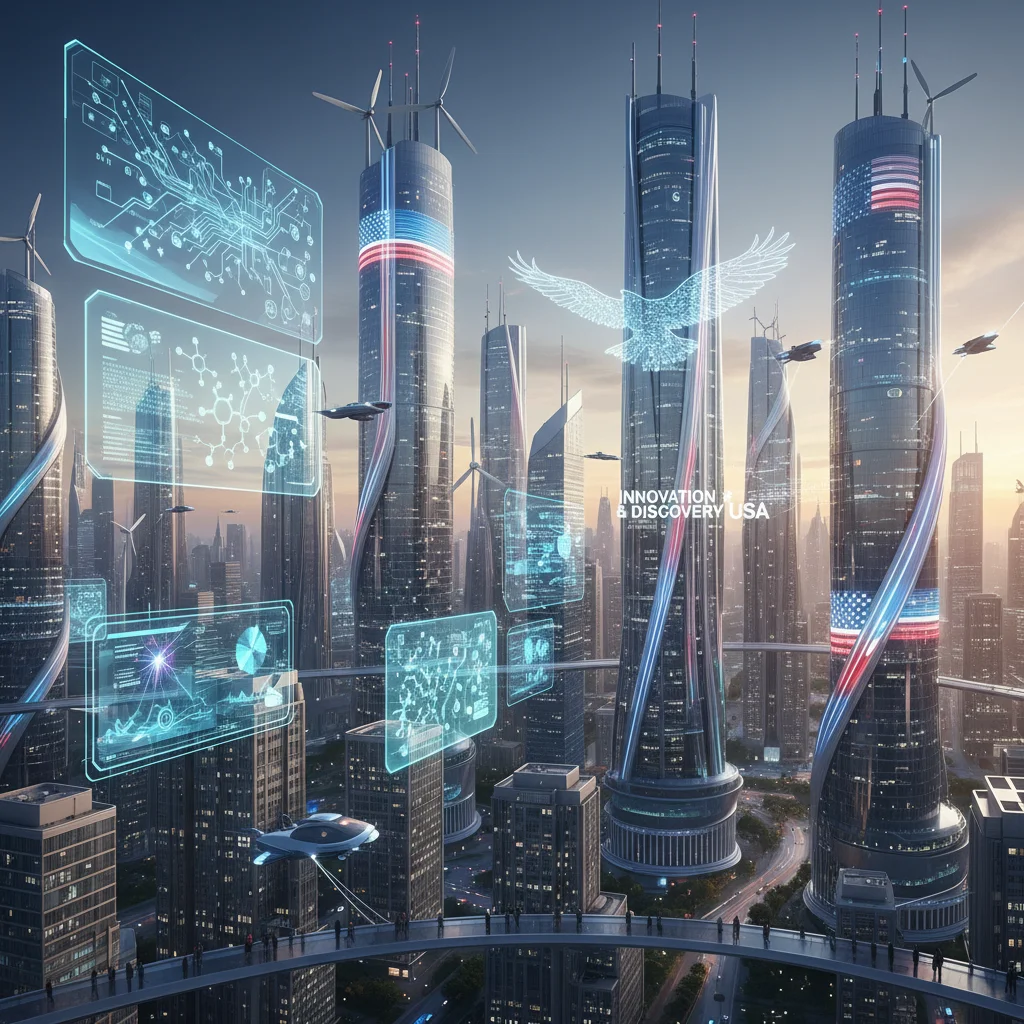
The landscape of innovation is constantly shifting, driven by an inherent human desire to understand, to create, and to improve. In the United States, this insatiable curiosity is propelling several fields into the spotlight, promising transformative discoveries and applications by 2026 and beyond. As we stand on the precipice of a new era, identifying these burgeoning areas of research and development is crucial for anyone interested in the trajectory of science, technology, and societal progress. This article delves into three such emerging fields that are not only capturing the imagination of researchers but also attracting significant investment and fostering groundbreaking advancements in the US: Personalized Medicine, Quantum Computing, and Advanced Sustainable Energy Solutions. These areas represent the pinnacle of human ingenuity, each poised to redefine our understanding of the world and our place within it, making the Future Discovery US an exciting prospect.
The Dawn of Personalized Medicine: Tailoring Health for Every Individual
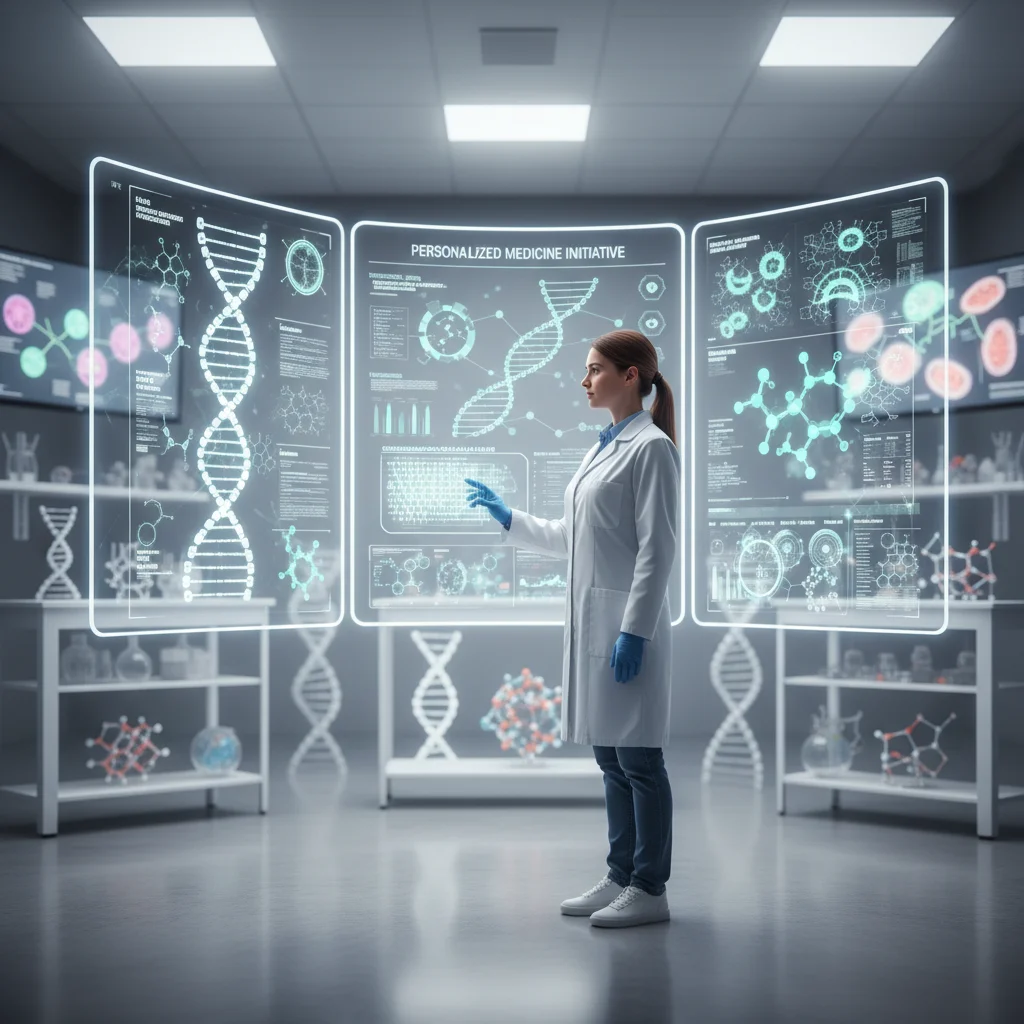
For decades, medicine has largely operated on a ‘one-size-fits-all’ approach, where treatments are designed for the average patient. However, the future of medicine, particularly in the US, is rapidly moving towards a far more nuanced and effective paradigm: personalized medicine. By 2026, this field is expected to revolutionize healthcare by leveraging an individual’s unique genetic makeup, lifestyle, and environmental factors to prevent, diagnose, and treat diseases with unprecedented precision. The drive for this level of specificity is a testament to the profound curiosity within the medical and scientific communities to truly understand the human body at its most fundamental level.
Understanding the Core Tenets of Personalized Medicine
Personalized medicine, often interchangeably referred to as precision medicine, is not merely about prescribing different drugs to different people. It’s about a holistic approach that integrates a vast array of data points to create a highly individualized health profile. This includes:
- Genomics and Proteomics: Analyzing an individual’s DNA and protein expression to identify predispositions to diseases, predict drug responses, and target therapies. The cost of genomic sequencing has plummeted, making it increasingly accessible and a cornerstone of this field.
- Biomarkers: Identifying specific biological indicators that can signal the presence of a disease, its progression, or its response to treatment, often before symptoms even appear.
- Advanced Diagnostics: Utilizing sophisticated imaging techniques, liquid biopsies, and AI-powered diagnostic tools to detect diseases earlier and more accurately.
- Digital Health and Wearables: Integrating data from smart devices, fitness trackers, and remote monitoring systems to provide real-time insights into a patient’s health and lifestyle.
The synergy of these components allows healthcare providers to move beyond reactive treatment to proactive prevention and highly targeted interventions. This shift is particularly vital in the US, where chronic diseases are a significant burden on the healthcare system.
Key Drivers and Innovations in the US by 2026
Several factors are accelerating the growth of personalized medicine in the US:
- Technological Advancements: Breakthroughs in gene editing (e.g., CRISPR), AI and machine learning for data analysis, and advanced bioinformatics are providing the tools necessary to unlock the complexities of individual biology.
- Increased Investment: Both public and private sectors are pouring significant funds into personalized medicine research. Government initiatives, venture capital, and pharmaceutical companies recognize the immense potential for improved patient outcomes and economic benefits. This investment is crucial for the continued Future Discovery US in this area.
- Data Integration and Interoperability: Efforts to create seamless data sharing platforms across healthcare systems are enabling researchers and clinicians to access and interpret vast amounts of patient data, leading to more comprehensive insights.
- Patient Empowerment: Patients are becoming more engaged in their own healthcare, seeking personalized insights and treatments, which in turn fuels demand and innovation in the field.
By 2026, we can anticipate a future where genetic screening is a routine part of preventative care, where cancer treatments are tailored to the specific genomic profile of a tumor, and where drug prescriptions are optimized for an individual’s unique metabolism, minimizing side effects and maximizing efficacy. The implications for treating complex conditions like cancer, Alzheimer’s, and autoimmune diseases are profound.
Quantum Computing: Unlocking Unprecedented Computational Power
Imagine a computer that can solve problems considered intractable for even the most powerful supercomputers today. This is the promise of quantum computing, an emerging field that harnesses the bizarre and counter-intuitive principles of quantum mechanics to perform calculations at an unimaginable scale. While still in its nascent stages, the US is at the forefront of this technological revolution, with significant research and development efforts aimed at making quantum computers a practical reality by 2026 and beyond. The sheer intellectual challenge and the potential for unparalleled computational power are driving an intense period of Future Discovery US in this domain.
The Quantum Leap: Beyond Bits and Bytes
Traditional computers store information as bits, which can be either 0 or 1. Quantum computers, however, use ‘qubits,’ which can exist in multiple states simultaneously (superposition) and be intrinsically linked to each other (entanglement). These properties allow quantum computers to process vast amounts of information in parallel, leading to exponential increases in computational power for certain types of problems. The implications are staggering:
- Drug Discovery and Materials Science: Simulating molecular interactions with unprecedented accuracy, leading to the rapid development of new drugs, catalysts, and advanced materials.
- Financial Modeling: Optimizing complex financial portfolios, detecting fraud, and predicting market trends with greater precision.
- Artificial Intelligence and Machine Learning: Accelerating the training of AI models, enabling more sophisticated pattern recognition and decision-making capabilities.
- Cryptography and Cybersecurity: Developing unbreakable encryption methods while also posing a potential threat to existing security protocols, spurring research into post-quantum cryptography.
- Logistics and Optimization: Solving complex optimization problems in supply chain management, transportation, and resource allocation.
The race to build a fault-tolerant, scalable quantum computer is intense, with major tech giants, academic institutions, and startups in the US all vying for supremacy.
Progress and Challenges in the US by 2026
While the full potential of quantum computing is still years away, significant milestones are being achieved:
- Increasing Qubit Count: Researchers are continuously increasing the number of stable qubits in quantum processors, moving closer to ‘quantum supremacy’ where quantum computers can perform tasks beyond the reach of classical computers.
- Error Correction: Quantum systems are inherently fragile and prone to errors. Developing robust error correction mechanisms is a critical challenge that is being actively addressed through innovative algorithms and hardware designs.
- Algorithm Development: Researchers are developing new quantum algorithms tailored to specific problems, pushing the boundaries of what’s computationally possible.
- Government and Industry Collaboration: The US government has recognized the strategic importance of quantum computing, investing heavily in research initiatives and fostering collaborations between academia, industry, and national labs. This coordinated effort is vital for the continued advancement of Future Discovery US in this cutting-edge field.
- Talent Development: A significant challenge is the scarcity of quantum physicists and engineers. Universities and companies are investing in educational programs to build the necessary workforce for this emerging industry.
By 2026, we might see ‘noisy intermediate-scale quantum’ (NISQ) devices addressing practical problems in specific domains, offering a glimpse into the transformative power that fully fault-tolerant quantum computers will eventually wield. The US is positioning itself as a global leader in this pivotal technological frontier.
Advanced Sustainable Energy Solutions: Powering a Greener Tomorrow
The urgency of climate change and the finite nature of fossil fuels have made the pursuit of sustainable energy solutions a global imperative. In the US, this urgency is coupled with an entrepreneurial spirit and a drive for innovation, leading to a flourishing ecosystem of advanced sustainable energy research and development. By 2026, we expect to see significant breakthroughs and wider adoption of cleaner, more efficient, and more reliable energy sources, representing a crucial aspect of Future Discovery US.
Beyond Solar and Wind: The Next Generation of Clean Energy
While solar and wind power continue to expand rapidly, the focus of advanced sustainable energy solutions extends far beyond these established technologies. Researchers are exploring a diverse portfolio of options to create a truly resilient and carbon-neutral energy infrastructure:
- Advanced Nuclear Energy: Development of small modular reactors (SMRs) and advanced fission reactors that are safer, more efficient, and produce less waste than traditional nuclear plants. Fusion energy, though further off, is also seeing renewed interest and investment.
- Geothermal Energy Innovations: Tapping into the Earth’s heat with enhanced geothermal systems that can operate in more locations, providing a constant, baseload power source.
- Next-Generation Batteries and Energy Storage: Developing batteries with higher energy density, faster charging capabilities, longer lifespans, and reduced environmental impact (e.g., solid-state batteries, flow batteries, and alternative chemistries). This is crucial for integrating intermittent renewable sources like solar and wind.
- Carbon Capture, Utilization, and Storage (CCUS): Technologies that capture CO2 emissions from industrial sources or directly from the atmosphere, and then either store it permanently underground or convert it into valuable products.
- Green Hydrogen Production: Producing hydrogen fuel using renewable electricity to split water (electrolysis), offering a clean energy carrier for transportation, industrial processes, and grid-scale energy storage.
- Bioenergy with Carbon Capture (BECC): Combining biomass energy with CCUS to create a carbon-negative energy source.
The integration of these diverse technologies is key to achieving energy independence and combating climate change effectively.
Driving Forces and Anticipated Impact by 2026
The US is uniquely positioned to lead in advanced sustainable energy due to:
- Robust Research Infrastructure: National laboratories, top-tier universities, and private research institutions are at the forefront of energy innovation.
- Policy and Regulatory Support: Government incentives, tax credits, and regulatory frameworks are driving investment and deployment of clean energy technologies.
- Venture Capital and Startup Ecosystem: A vibrant ecosystem of startups and venture capitalists is funding disruptive energy technologies, accelerating their path to commercialization.
- Public Demand and Corporate Sustainability Goals: Growing public awareness of climate change and ambitious corporate sustainability targets are creating significant market demand for clean energy solutions. This societal push is a powerful catalyst for Future Discovery US in this sector.
By 2026, we can expect to see the scaling up of several of these advanced technologies. SMRs might be nearing commercial deployment, grid-scale battery storage will be more prevalent, and green hydrogen projects will be gaining significant traction. These advancements will not only reduce carbon emissions but also create new industries, jobs, and enhance energy security across the nation.

The Interconnected Future of Discovery in the US
While we’ve explored Personalized Medicine, Quantum Computing, and Advanced Sustainable Energy Solutions as distinct fields, it’s crucial to recognize their inherent interconnectedness. The Future Discovery US is not a siloed endeavor but a collaborative tapestry where advancements in one area often fuel breakthroughs in another.
- Quantum Computing for Personalized Medicine: Quantum algorithms could revolutionize the analysis of vast genomic datasets, accelerate drug discovery by simulating molecular interactions with unprecedented accuracy, and optimize treatment plans based on a patient’s unique biological profile.
- AI and Personalized Medicine for Sustainable Energy: Advanced AI, often powered by classical and eventually quantum computing, can optimize energy grids, predict energy demand, and manage the complex integration of diverse renewable sources. Personalized medicine principles could even extend to understanding the biological impact of environmental factors and designing healthier living spaces.
- Sustainable Energy Powering Quantum Computing: The immense energy demands of future quantum computers will necessitate clean and sustainable power sources. Advanced battery technologies and green hydrogen could provide the reliable, low-carbon energy required to run these next-generation computational marvels.
This cross-pollination of ideas and technologies is a hallmark of truly transformative innovation. The US, with its strong research institutions, diverse talent pool, and culture of entrepreneurial risk-taking, is uniquely positioned to foster this kind of interdisciplinary collaboration.
Ethical Considerations and Societal Impact
As these fields advance, so too do the ethical considerations and potential societal impacts. Personalized medicine raises questions about data privacy, equitable access to advanced treatments, and the potential for genetic discrimination. Quantum computing presents dilemmas related to cybersecurity, the potential for misuse, and the need for responsible development. Sustainable energy solutions, while inherently beneficial, require careful consideration of resource extraction, land use, and ensuring a just transition for communities reliant on traditional energy industries.
Addressing these challenges proactively, through robust ethical frameworks, inclusive policy-making, and public engagement, will be as critical as the scientific and technological advancements themselves. The Future Discovery US must be guided by principles of responsibility and equity to ensure that these innovations benefit all of humanity.
Conclusion: An Era of Unprecedented Discovery
The year 2026 is not just a date on the calendar; it’s a marker for a period of intense and transformative discovery in the United States. Personalized Medicine promises to redefine healthcare, offering tailored solutions for individual well-being. Quantum Computing stands to unlock computational capabilities that will solve problems currently beyond our grasp, revolutionizing industries from finance to pharmaceuticals. And Advanced Sustainable Energy Solutions are paving the way for a greener, more resilient future, addressing one of humanity’s most pressing challenges.
These three emerging fields, fueled by an insatiable human curiosity and robust investment, represent the vanguard of innovation in the US. They are not merely technological advancements but pathways to a better future, demanding continued research, collaboration, and thoughtful consideration of their societal implications. The journey of Future Discovery US is an exciting one, filled with challenges and unparalleled opportunities, promising to reshape our world in profound and positive ways.