Driving US Innovation 2026: The Power of Strategic Questions
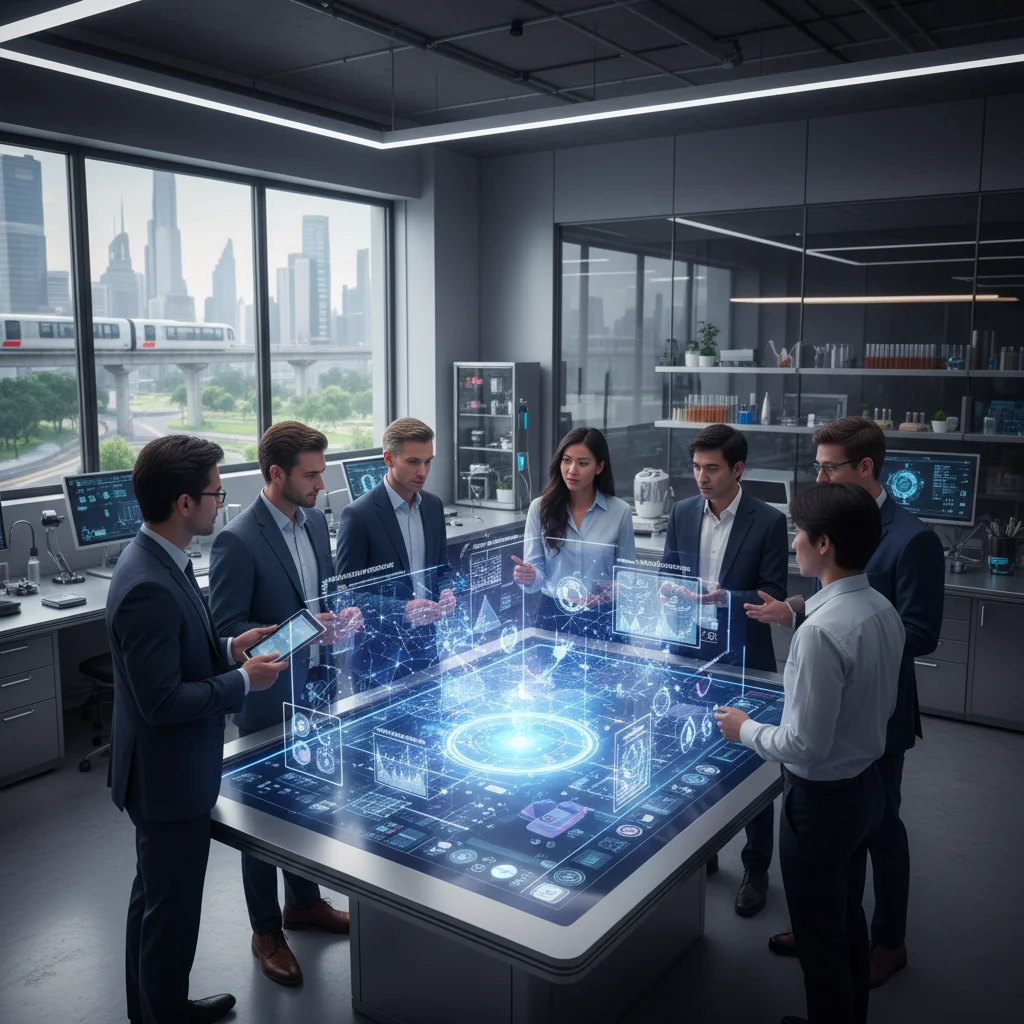
In the dynamic landscape of the 21st century, innovation is not merely a buzzword; it is the lifeblood of progress, economic growth, and societal advancement. For the United States, maintaining its position as a global leader in innovation requires more than just technological prowess or abundant resources. It demands a profound commitment to inquiry, a willingness to challenge the status quo, and the courage to ask the difficult, yet transformative, questions. As we look ahead to 2026, the trajectory of US innovation will be significantly shaped by a handful of powerful questions – questions that compel us to rethink, re-engineer, and reimagine our future. These aren’t just academic exercises; they are strategic imperatives that will guide research, investment, policy, and entrepreneurial endeavors across the nation. Understanding these pivotal inquiries is crucial for anyone involved in or impacted by the relentless march of progress. This article delves into the seven most powerful questions that are poised to drive US innovation in 2026, exploring their implications and the potential answers that could redefine our world.
The Foundational Role of Inquiry in Innovation
Before we dissect the specific questions, it’s essential to grasp why inquiry is so fundamental to innovation. Innovation rarely springs forth fully formed; it is almost always the result of a deliberate process of questioning, hypothesizing, experimenting, and refining. The right questions act as catalysts, forcing us to look beyond immediate solutions and consider deeper problems, untapped potentials, and unforeseen consequences. They provide a framework for exploration, directing our intellectual and financial capital towards areas of greatest impact. In the context of US innovation, these questions serve as a national compass, aligning diverse efforts towards common goals and ensuring that our collective ingenuity is channeled effectively. They prevent stagnation, encourage interdisciplinary collaboration, and foster a culture of continuous improvement and disruptive thinking. Without these guiding inquiries, innovation can become directionless, fragmented, and ultimately less impactful. The very act of formulating these powerful questions is, in itself, an act of innovation, defining the boundaries and ambitions of our future endeavors in US innovation.
Question 1: How Can We Democratize Access to Advanced Technology and Skills?
The first powerful question driving US innovation in 2026 centers on equity and access. While the United States excels at creating cutting-edge technologies, the benefits and opportunities often remain concentrated in specific regions or demographics. This question challenges us to consider how we can ensure that advanced technologies – from AI and quantum computing to biotech and advanced manufacturing – are accessible to a broader segment of the population. This isn’t just about social justice; it’s about maximizing our national innovative capacity. A more inclusive technological ecosystem means a larger pool of talent, more diverse perspectives, and a greater chance for unexpected breakthroughs. Addressing this question involves examining educational pathways, digital infrastructure, funding models for startups in underserved areas, and policies that encourage technology transfer and adoption. It means asking: Are we adequately preparing our workforce for the jobs of tomorrow? How can we bridge the digital divide? What mechanisms can we put in place to ensure that the next generation of innovators comes from all walks of life, not just privileged backgrounds? The answers to these facets of the question will undoubtedly shape the future of US innovation, making it more robust and resilient.
Question 2: What Are the Ethical Boundaries and Societal Implications of Rapid AI Advancement?
Artificial Intelligence (AI) is perhaps the most transformative technology of our era, and its rapid evolution presents both immense opportunities and significant challenges. As AI permeates every aspect of society, from healthcare and finance to defense and daily life, the second powerful question for US innovation in 2026 becomes paramount: What are the ethical boundaries and societal implications of rapid AI advancement? This isn’t a question designed to halt progress, but rather to guide it responsibly and sustainably. It encompasses concerns about data privacy, algorithmic bias, job displacement, autonomous decision-making, and the potential for misuse. Innovating in AI without a robust ethical framework is akin to building a powerful engine without brakes. The US innovation landscape is increasingly recognizing that technological leadership must go hand-in-hand with ethical leadership. This means investing in AI ethics research, developing regulatory frameworks that foster innovation while safeguarding public interest, promoting transparency in AI systems, and engaging in public discourse about AI’s role in society. The answers will define not just what AI can do, but what it should do, ensuring that US innovation in this critical field serves humanity’s best interests.

Question 3: How Can We Achieve True Energy Independence and Sustainability Through Innovation?
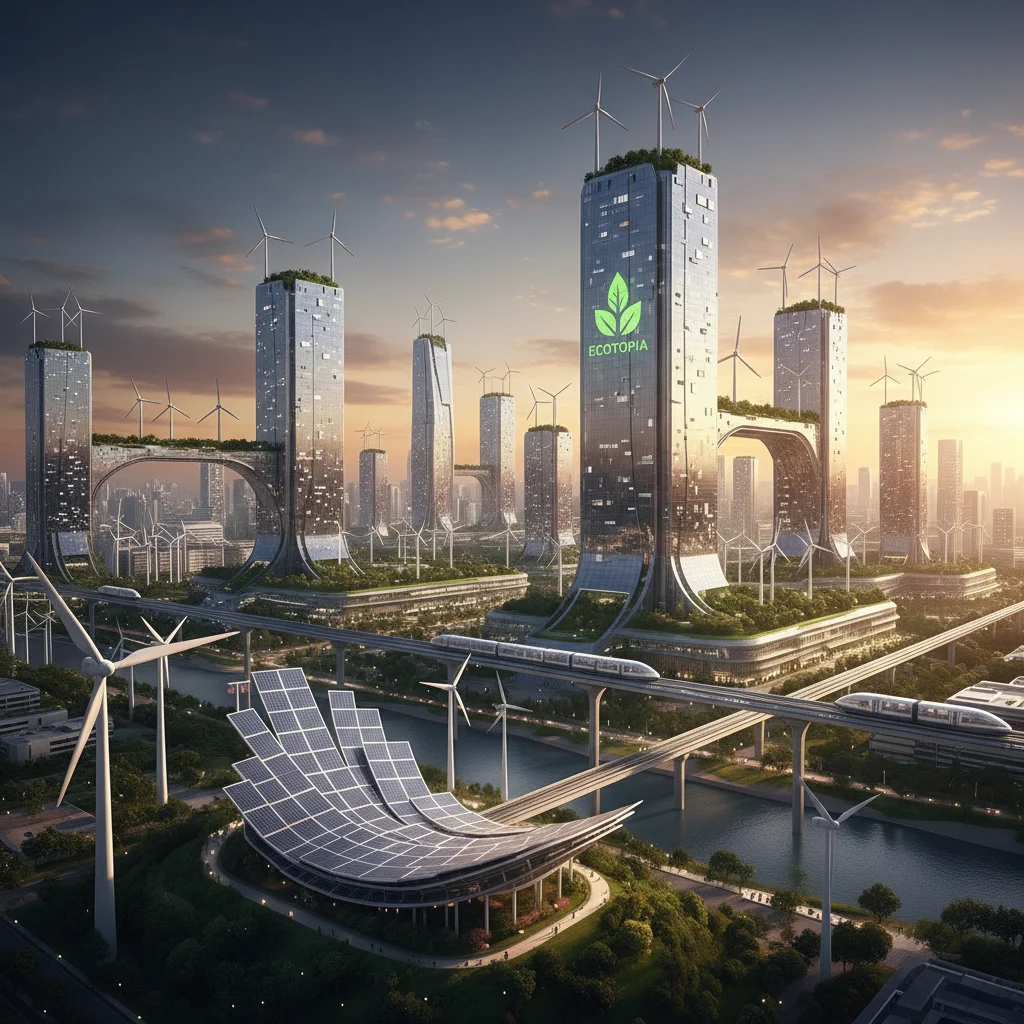
The climate crisis and geopolitical instability underscore the urgency of transitioning to sustainable energy sources. The third powerful question for US innovation in 2026 is: How can we achieve true energy independence and sustainability through innovation? This goes beyond simply adopting existing green technologies; it calls for revolutionary breakthroughs. It demands new approaches to energy generation, storage, transmission, and consumption. Innovators are being challenged to develop next-generation solar cells, advanced battery technologies, scalable carbon capture solutions, novel nuclear fusion concepts, and highly efficient smart grids. Furthermore, this question extends to the circular economy – how can we design products and systems that minimize waste and maximize resource efficiency? Addressing this requires significant investment in R&D, incentivizing private sector involvement, and fostering collaboration between government, academia, and industry. The answers will not only secure America’s energy future but also position the US as a global leader in sustainable technologies, creating new industries and jobs in the process, thus bolstering US innovation on a grand scale.
Question 4: What Are the Next Frontiers in Human Health and Longevity?
The past few decades have seen remarkable advancements in medicine and healthcare, yet significant challenges remain, from chronic diseases to age-related decline. The fourth powerful question driving US innovation in 2026 probes: What are the next frontiers in human health and longevity? This is a broad inquiry that encompasses precision medicine, gene editing (CRISPR), advanced diagnostics, regenerative therapies, personalized nutrition, and the integration of AI into drug discovery and patient care. It also includes preventative health strategies and technologies that enhance quality of life as we age. Innovators are tasked with moving beyond treating symptoms to understanding and addressing the root causes of disease, and even extending healthy human lifespan. This requires breakthroughs in fundamental biological understanding, sophisticated data analytics, and the development of new therapeutic modalities. Ethical considerations, particularly in areas like gene editing, are also central to this question. The pursuit of answers will not only improve individual lives but also reduce healthcare burdens and unleash new economic opportunities within the US innovation ecosystem.
Question 5: How Can We Secure and Optimize Critical Supply Chains in an Interconnected World?
Recent global events have starkly highlighted the vulnerabilities of complex, globalized supply chains. The fifth powerful question for US innovation in 2026 is therefore: How can we secure and optimize critical supply chains in an interconnected world? This question is multifaceted, touching upon national security, economic resilience, and technological sovereignty. It calls for innovation in areas such as advanced manufacturing, robotics, automation, and distributed ledger technologies (like blockchain) for enhanced transparency and traceability. It also involves exploring reshoring strategies for essential goods, developing new materials that reduce reliance on foreign sources, and creating more adaptive and resilient logistical networks. The goal is to build supply chains that are not only efficient but also robust against disruptions, whether from natural disasters, geopolitical tensions, or cyberattacks. This requires a concerted effort from government, industry, and researchers to design and implement innovative solutions that safeguard America’s economic and strategic interests, thereby strengthening US innovation in a crucial sector.
Question 6: What New Educational Paradigms Are Needed to Foster Future Innovators?
Innovation is ultimately driven by human capital – by creative, critical-thinking individuals. This leads to the sixth powerful question for US innovation in 2026: What new educational paradigms are needed to foster future innovators? The traditional educational model, while effective for previous eras, may not be optimally suited for an increasingly complex, rapidly changing, and technology-driven world. This question challenges us to rethink curricula, pedagogical methods, and the very structure of learning. It calls for innovation in areas like personalized learning, experiential education, interdisciplinary studies, digital literacy, and the cultivation of ‘soft skills’ such as creativity, collaboration, and problem-solving. It also involves leveraging AI and virtual reality to create immersive and adaptive learning environments. Furthermore, it addresses the need for lifelong learning and reskilling initiatives to ensure that the workforce can continually adapt to new technological demands. The answers will determine whether the US can continue to produce the talent necessary to fuel its innovation engine for decades to come, ensuring a continuous flow of fresh ideas and skilled individuals into the realm of US innovation.
Question 7: How Can We Leverage Space Exploration and Technology for Terrestrial Benefit?
The final, yet immensely powerful, question for US innovation in 2026 looks beyond our planet: How can we leverage space exploration and technology for terrestrial benefit? The pursuit of space has historically been a powerful driver of innovation, leading to breakthroughs in materials science, computing, communications, and countless other fields. This question asks us to intentionally seek out and maximize these ‘spin-off’ benefits. It involves developing new technologies for space that also have direct applications on Earth, such as advanced sensors for environmental monitoring, resilient communication networks, new energy sources, and manufacturing techniques for extreme environments. It also includes utilizing satellite data for climate modeling, disaster response, and agricultural optimization. Furthermore, the burgeoning space economy, including space tourism and asteroid mining, presents new opportunities for technological development and economic growth. By pushing the boundaries of what’s possible in space, the US can continue to stimulate innovation across a wide array of industries back on Earth, solidifying its leadership in both realms of US innovation.
The Interconnectedness of Inquiry and the Future of US Innovation
These seven questions are not isolated inquiries; they are deeply interconnected, forming a complex web that defines the challenges and opportunities for US innovation in 2026 and beyond. For example, advances in AI (Question 2) can significantly aid in optimizing supply chains (Question 5) and accelerate drug discovery for human health (Question 4). Similarly, new educational paradigms (Question 6) are crucial for democratizing access to advanced technology (Question 1) and developing the talent needed for sustainable energy solutions (Question 3). The pursuit of space exploration (Question 7) often drives breakthroughs in materials and robotics that can benefit terrestrial manufacturing and healthcare.
The strength of US innovation lies not just in its individual achievements but in its ability to foster a synergistic environment where progress in one area catalyses breakthroughs in another. Answering these questions requires a holistic approach, fostering collaboration between diverse sectors – government agencies, private companies, universities, and non-profit organizations. It demands agile policy-making that can adapt to rapid technological change, significant and sustained investment in fundamental research, and a culture that embraces risk-taking and learning from failure.
Moreover, these questions highlight the need for a balanced approach to innovation. While technological advancement is critical, it must be guided by ethical considerations, societal well-being, and environmental stewardship. The US innovation agenda for 2026 is, therefore, not just about building faster, stronger, or smarter technologies; it’s about building a better, more equitable, and more sustainable future for all.
Conclusion: A Call to Action for US Innovation
The art of inquiry is the engine of progress. The seven powerful questions outlined above serve as a strategic roadmap for US innovation in 2026, guiding our collective efforts towards a future that is technologically advanced, environmentally responsible, economically prosperous, and socially just. These questions are a call to action for scientists, engineers, entrepreneurs, policymakers, educators, and citizens alike. They invite us to engage in critical thinking, foster creativity, and commit to solving the grand challenges of our time.
The answers will not come easily, nor will they be singular. They will emerge from iterative processes of research, experimentation, collaboration, and debate. But by focusing our intellectual and material resources on these pivotal inquiries, the United States can not only maintain its competitive edge but also lead the world in creating innovations that truly improve the human condition. The future of US innovation is not a predetermined path; it is a future we actively shape by the questions we dare to ask and the dedication with which we pursue their answers.