Future-Proof Your Career: Essential Skills for the 2026 U.S. Job Market

The U.S. job market is a dynamic and ever-evolving landscape, shaped by technological advancements, global shifts, and changing societal needs. As we approach 2026, the pace of transformation is only accelerating, demanding a proactive approach from professionals seeking to future-proof their careers. The traditional career path of acquiring a set of skills and applying them for decades is rapidly becoming a relic of the past. Today, and even more so tomorrow, success hinges on adaptability, continuous learning, and the mastery of skills that transcend specific industries and roles. Understanding these emerging demands is not merely an advantage; it’s a necessity for sustained career growth and relevance.
This comprehensive guide delves into the critical skills that will define success in the 2026 U.S. job market. We’re not just talking about minor adjustments; we’re discussing fundamental shifts in what employers value and what individuals need to cultivate. Our focus will be on three paramount areas: AI Literacy, Complex Problem-Solving, and Adaptive Learning. These aren’t just buzzwords; they are foundational competencies that will empower you to navigate uncertainty, innovate effectively, and contribute meaningfully in an increasingly digitized and complex world.
Each of these future career skills is interconnected, forming a powerful synergy that amplifies individual capabilities. AI literacy, for instance, isn’t just about understanding algorithms; it’s about leveraging AI tools to solve complex problems more efficiently, which in turn requires an adaptive mindset to keep pace with AI’s rapid advancements. Similarly, complex problem-solving in the age of AI often involves interpreting data insights generated by machines, demanding a nuanced understanding of both the problem and the tools available. Adaptive learning is the glue that holds it all together, ensuring that your skill set remains relevant and competitive as the landscape continues to evolve.
By the end of this article, you will have a clear understanding of why these future career skills are vital, practical strategies for developing them, and actionable steps to integrate them into your professional journey. Whether you are an entry-level professional, a seasoned expert, or someone considering a career change, investing in these competencies will be your most valuable asset in the years to come.
The Shifting Sands of Employment: Why Your Skills Need an Upgrade
The U.S. job market is undergoing a profound metamorphosis. Several key drivers are reshaping the demand for skills:
- Technological Acceleration: Artificial intelligence, automation, machine learning, and big data are not just transforming industries; they are creating entirely new ones while rendering some traditional roles obsolete. This technological wave necessitates a workforce that can interact with, manage, and leverage these tools effectively.
- Globalization and Interconnectedness: Businesses operate on a global scale, leading to increased complexity in supply chains, customer bases, and competitive landscapes. This requires professionals with global awareness, cross-cultural communication skills, and the ability to navigate diverse regulatory environments.
- Evolving Work Models: The rise of remote work, hybrid models, and the gig economy demands greater autonomy, self-management, and digital collaboration skills. The traditional 9-to-5, in-office paradigm is being challenged, requiring workers to adapt to more flexible and distributed structures.
- Increased Emphasis on "Human" Skills: As routine tasks become automated, the demand for uniquely human attributes – creativity, critical thinking, emotional intelligence, and complex problem-solving – intensifies. These are the skills that machines cannot easily replicate.
- Demographic Shifts: An aging workforce and generational differences bring new dynamics to the workplace, requiring adaptable leadership, mentorship, and succession planning strategies.
These forces collectively highlight the urgency of skill development. The future career skills we discuss are not merely additions to your resume; they are the core competencies that will enable you to thrive amidst this change, rather than be left behind. Employers are increasingly looking for candidates who can demonstrate not just what they know, but how quickly and effectively they can learn and apply new knowledge to solve novel challenges.
Skill 1: AI Literacy – Navigating the Algorithmic Age
Artificial Intelligence (AI) is no longer a futuristic concept; it’s an integral part of our present and will be an even more dominant force by 2026. AI literacy goes beyond simply knowing what AI is; it’s about understanding how AI systems work, their capabilities, limitations, and ethical implications, and critically, how to effectively leverage them in your professional life. This future career skill is becoming as fundamental as digital literacy once was.
What is AI Literacy?
AI literacy encompasses several key areas:
- Understanding AI Fundamentals: Grasping basic concepts like machine learning, deep learning, natural language processing (NLP), and computer vision. This doesn’t mean becoming an AI engineer, but rather understanding the underlying principles.
- Interacting with AI Tools: Proficiency in using AI-powered applications, from advanced analytics platforms and intelligent automation tools to AI-driven content generation and customer service bots.
- Data Interpretation and Critical Evaluation: The ability to understand and critically evaluate the outputs of AI systems, recognizing potential biases, limitations, and the context in which data is generated and analyzed.
- Ethical AI Use: Awareness of the ethical considerations surrounding AI, including data privacy, algorithmic fairness, accountability, and the societal impact of AI technologies.
- AI Strategy and Application: Identifying opportunities to integrate AI into workflows to enhance productivity, drive innovation, and solve business challenges.
Why is AI Literacy a Crucial Future Career Skill?
By 2026, AI will be embedded in nearly every industry. From healthcare diagnostics to financial trading, from personalized marketing to supply chain optimization, AI will be an indispensable tool. Professionals who can effectively interact with, manage, and understand AI will be invaluable. They will be the ones who can:
- Boost Productivity: Use AI tools to automate repetitive tasks, analyze vast datasets, and generate insights, freeing up time for more strategic work.
- Drive Innovation: Identify new applications for AI within their organizations, leading to competitive advantages and new product/service development.
- Make Informed Decisions: Leverage AI-driven insights to make data-backed decisions, reducing guesswork and improving outcomes.
- Mitigate Risks: Understand the potential pitfalls and ethical dilemmas of AI, ensuring responsible and compliant implementation.
Practical Solutions to Develop AI Literacy:
- Online Courses and Certifications: Platforms like Coursera, edX, Udacity, and Google AI offer excellent introductory courses on AI, machine learning, and data science. Look for programs designed for non-technical professionals.
- Workshops and Bootcamps: Many organizations offer intensive bootcamps focused on practical AI application and tools.
- Hands-on Experimentation: Explore AI tools in your daily work. Experiment with generative AI models (like ChatGPT or Bard), data analytics platforms, or AI-powered design tools.
- Industry Publications and Podcasts: Stay informed by reading reputable tech journals, industry analyses, and listening to podcasts that discuss AI trends and applications.
- Internal Company Training: Advocate for or participate in internal training programs on AI tools and best practices relevant to your organization.
- Networking: Connect with AI professionals and data scientists to learn from their experiences and gain insights into real-world applications.

Skill 2: Complex Problem-Solving – Navigating Ambiguity
As AI handles more routine and predictable problems, the demand for human professionals to tackle complex, unstructured, and novel challenges will soar. Complex problem-solving is not just about finding solutions; it’s about defining the problem itself, dissecting its various components, understanding interdependencies, and developing innovative, multifaceted approaches in situations where there’s no clear-cut answer. This is a quintessential future career skill that machines struggle to replicate.
What is Complex Problem-Solving?
This skill involves a blend of cognitive abilities:
- Critical Thinking: The ability to analyze information objectively, identify biases, evaluate arguments, and form reasoned judgments.
- Analytical Reasoning: Breaking down complex issues into smaller, manageable parts, identifying patterns, and understanding cause-and-effect relationships.
- Creativity and Innovation: Generating novel ideas and unconventional solutions, thinking outside the box when traditional methods fail.
- Systems Thinking: Understanding how different parts of a system interact and influence each other, recognizing the broader context of a problem.
- Decision-Making Under Uncertainty: The capacity to make sound decisions with incomplete information or in rapidly changing environments.
- Collaboration and Communication: Working effectively with diverse teams to gather perspectives, brainstorm solutions, and articulate findings clearly.
Why is Complex Problem-Solving a Crucial Future Career Skill?
The world is becoming increasingly Volatile, Uncertain, Complex, and Ambiguous (VUCA). Businesses face unprecedented challenges, from climate change and cybersecurity threats to rapidly shifting consumer behaviors and geopolitical instabilities. Organizations need individuals who can:
- Address Unforeseen Challenges: Tackle problems that AI hasn’t been programmed to solve, or where human judgment and intuition are paramount.
- Drive Strategic Growth: Identify opportunities for innovation and growth by effectively analyzing market dynamics, customer needs, and technological advancements.
- Lead Through Crisis: Navigate unexpected disruptions and develop resilient strategies to maintain business continuity.
- Enhance Collaboration: Facilitate effective teamwork by structuring problems, guiding discussions, and synthesizing diverse viewpoints towards a common solution.
Practical Solutions to Develop Complex Problem-Solving:
- Engage in "Stretch" Projects: Volunteer for projects outside your comfort zone that require new approaches and cross-functional collaboration.
- Practice "First Principles Thinking": Break down problems to their fundamental truths and build solutions from there, rather than relying on assumptions or existing solutions.
- Learn Design Thinking: Enroll in courses or workshops on Design Thinking, a human-centered approach to innovation that focuses on empathizing, defining, ideating, prototyping, and testing solutions.
- Case Study Analysis: Regularly analyze business case studies or real-world scenarios, identifying the core problems, potential solutions, and their implications.
- Ask "Why?" Repeatedly: Employ the "5 Whys" technique to drill down to the root cause of issues, rather than just addressing symptoms.
- Seek Diverse Perspectives: Actively solicit input from colleagues with different backgrounds, expertise, and viewpoints to broaden your understanding of a problem.
Skill 3: Adaptive Learning – The Engine of Continuous Growth
Perhaps the most critical future career skill for 2026 and beyond is adaptive learning – the capacity to quickly acquire new knowledge, unlearn outdated information, and apply new skills in novel contexts. In a world where technologies and industries evolve at breakneck speed, the ability to continuously learn and adapt is the ultimate differentiator. It’s not just about learning; it’s about how you learn and your willingness to embrace change.
What is Adaptive Learning?
Adaptive learning involves:
- Curiosity and Open-mindedness: A genuine desire to learn new things and an openness to new ideas, even those that challenge existing beliefs.
- Learning Agility: The ability to quickly grasp new concepts, assimilate information, and apply it effectively in different situations.
- Self-Directed Learning: Taking ownership of your learning journey, identifying skill gaps, seeking out resources, and managing your own development.
- Resilience and Growth Mindset: Viewing failures as learning opportunities, persisting through challenges, and believing in your capacity to develop new abilities.
- Unlearning and Relearning: The willingness to discard obsolete knowledge and embrace new paradigms, even if it means letting go of previously held "truths."
- Feedback Integration: Actively seeking and incorporating feedback to refine skills and improve performance.
Why is Adaptive Learning a Crucial Future Career Skill?
The shelf life of skills is rapidly diminishing. What is cutting-edge today might be commonplace or obsolete tomorrow. Adaptive learning ensures that you remain relevant and valuable in any professional environment. It empowers you to:
- Stay Ahead of the Curve: Continuously update your skill set to meet the demands of emerging technologies and industry trends.
- Embrace New Opportunities: Quickly pivot to new roles, projects, or even careers as the market dictates.
- Drive Personal and Professional Growth: Foster a mindset of continuous improvement, leading to greater job satisfaction and career advancement.
- Enhance Problem-Solving: By constantly expanding your knowledge base, you bring a wider range of tools and perspectives to complex problems.
- Navigate Disruption: Be less susceptible to job displacement caused by automation or economic shifts, as you possess the inherent ability to reskill and upskill.
Practical Solutions to Develop Adaptive Learning:
- Cultivate a "Growth Mindset": Read Carol Dweck’s work on growth mindset and actively challenge fixed beliefs about your abilities.
- Set Learning Goals: Regularly identify specific skills or areas of knowledge you want to acquire and create a plan for how you’ll learn them.
- Leverage Microlearning: Utilize short, focused learning modules, videos, and articles to fit learning into your busy schedule.
- Seek Mentorship and Coaching: Engage with mentors who can guide your learning journey and provide constructive feedback.
- Experiment and Reflect: Try new approaches, observe the outcomes, and reflect on what worked and what didn’t. Document your learning.
- Embrace "Learning by Doing": The best way to learn a new skill is often to apply it immediately, even if imperfectly. Don’t be afraid to make mistakes.
- Stay Curious: Read widely, watch documentaries, listen to podcasts on diverse topics – foster an insatiable curiosity about the world around you.
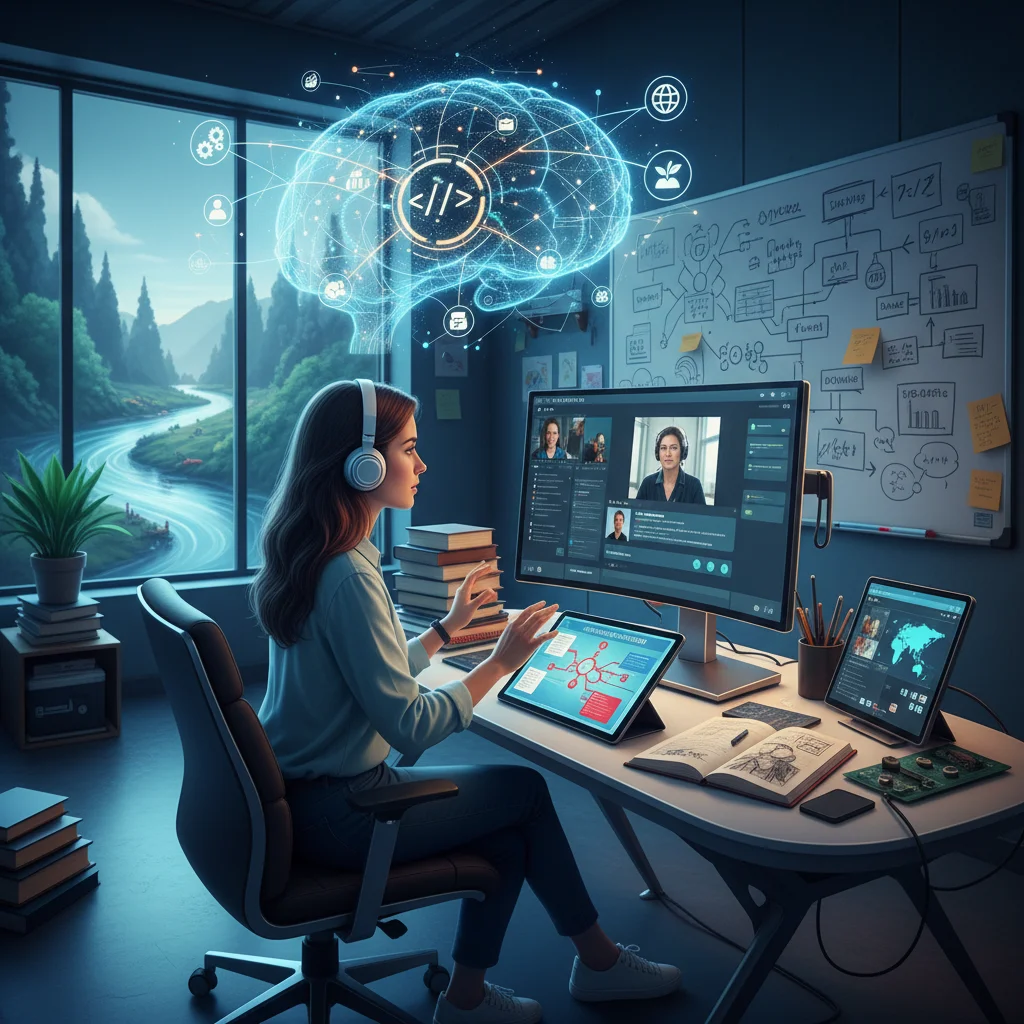
Integrating These Future Career Skills for Maximum Impact
While we’ve discussed AI literacy, complex problem-solving, and adaptive learning separately, their true power lies in their synergistic application. Imagine a professional who is:
- AI Literate: They understand how to use AI tools to sift through vast amounts of data, identifying trends and potential issues that would be impossible to spot manually.
- A Complex Problem-Solver: They can then take these AI-generated insights and apply critical thinking to define the underlying problem, considering ethical implications and human factors that AI might miss. They don’t just accept AI outputs; they question and refine them.
- An Adaptive Learner: As new AI models emerge or the nature of problems changes, they quickly learn new functionalities, unlearn outdated methods, and adapt their problem-solving frameworks to remain effective.
This integrated approach creates a highly resilient and invaluable professional – someone who can not only leverage cutting-edge technology but also apply human ingenuity and critical judgment to solve the most pressing challenges. This is the definition of future-proofing your career.
Building a Personal Development Plan
To effectively integrate these future career skills, consider creating a personalized development plan:
- Self-Assessment: Honestly evaluate your current proficiency in each of these three areas. Where are your strengths? Where are your biggest gaps?
- Prioritize: While all three are important, you might choose to focus more heavily on one initially, depending on your current role and industry demands.
- Set SMART Goals: Create Specific, Measurable, Achievable, Relevant, and Time-bound goals for skill development (e.g., "Complete an introductory AI ethics course by Q3 2024" or "Lead one cross-functional problem-solving initiative per quarter").
- Identify Resources: List specific courses, books, mentors, projects, or communities that will help you achieve your goals.
- Schedule and Track: Integrate learning into your weekly routine. Dedicate specific time slots for skill development and regularly track your progress.
- Seek Feedback: Actively ask colleagues, managers, and mentors for feedback on your developing skills and make adjustments as needed.
- Apply and Reflect: Crucially, apply what you learn in real-world scenarios and reflect on the outcomes. This reinforces learning and helps identify areas for further improvement.
Conclusion: Your Future, Your Skills
The 2026 U.S. job market will undoubtedly present both challenges and unparalleled opportunities. Success in this evolving landscape will not be granted to those who simply hold degrees or have prior experience, but to those who demonstrate an unwavering commitment to continuous growth and the mastery of future career skills. AI literacy, complex problem-solving, and adaptive learning are not merely desirable traits; they are the bedrock upon which resilient and impactful careers will be built.
Embracing these competencies means more than just staying employed; it means positioning yourself as a leader, an innovator, and a valuable asset in any organization. It means having the confidence to navigate ambiguity, harness the power of technology, and continuously reinvent yourself to meet the demands of tomorrow. Start today – assess your skills, set your goals, and embark on a journey of lifelong learning. Your future career depends on it.
By proactively investing in these essential future career skills, you are not just preparing for 2026; you are building a foundation for a career that is robust, fulfilling, and adaptable for decades to come. The time to act is now. The future belongs to the continuous learner, the effective problem-solver, and the AI-literate professional.