8 Emerging Consumer Behavior Trends Shaping the U.S. Market: 18-Month Outlook
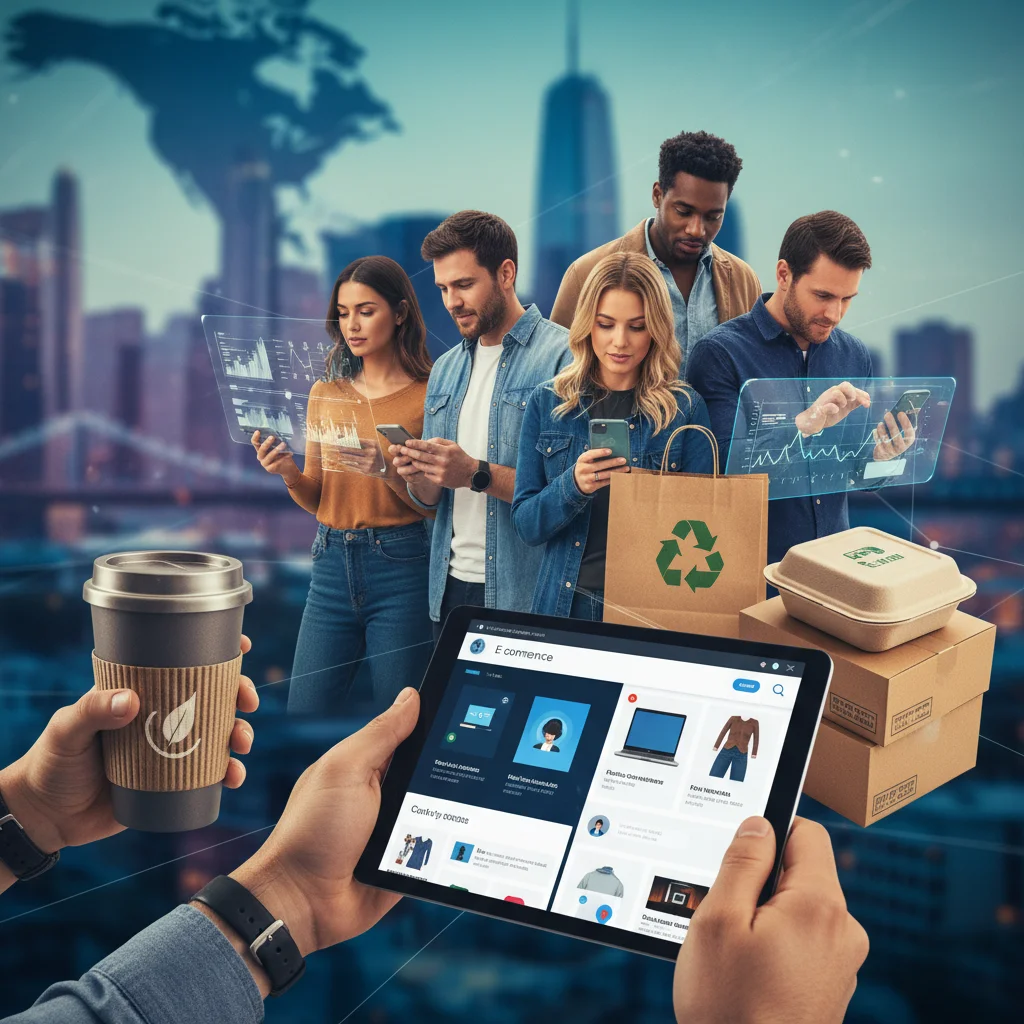
The U.S. consumer landscape is a dynamic tapestry, constantly evolving under the influence of technological advancements, societal shifts, and global events. For businesses to not only survive but thrive, understanding and anticipating these changes is paramount. Over the next 18 months, several key emerging consumer behavior trends will redefine how Americans shop, interact with brands, and make purchasing decisions. This comprehensive analysis dives deep into eight critical trends, providing invaluable insider knowledge for strategic planning.
The past few years have accelerated many nascent behaviors, pushing them into the mainstream. From the pervasive influence of digital platforms to a renewed focus on personal well-being and ethical consumption, businesses must be agile and responsive. Ignoring these shifts is a recipe for obsolescence; embracing them opens doors to innovation and deeper customer loyalty. Let’s explore the forces shaping the future of the U.S. market.
1. The Ascendance of Conscious Consumption and Sustainability
One of the most significant emerging consumer behavior trends is the undeniable shift towards conscious consumption. Consumers are no longer just looking at price and quality; they are increasingly scrutinizing the ethical and environmental footprint of the products and brands they choose. This isn’t a niche movement anymore; it’s a mainstream expectation, especially among younger demographics but growing across all age groups.
Environmental Impact: More Than Just a Buzzword
Consumers are demanding transparency regarding a product’s lifecycle, from sourcing raw materials to manufacturing processes and end-of-life disposal. This means a rising preference for:
- Sustainable Sourcing: Products made with ethically sourced materials, often certified by third-party organizations.
- Reduced Carbon Footprint: Brands that actively work to minimize their environmental impact through energy efficiency, renewable energy, and optimized logistics.
- Circular Economy Principles: Products designed for durability, repairability, and recyclability, moving away from single-use disposables.
- Eco-Friendly Packaging: A strong aversion to excessive plastic and a preference for recyclable, compostable, or minimal packaging.
Businesses must integrate sustainability into their core operations and communicate their efforts authentically. Greenwashing, or making unsubstantiated environmental claims, will be met with skepticism and backlash. Genuine commitment, backed by verifiable actions, will build trust and attract this growing segment of conscious consumers.
Social Responsibility: Beyond Profits
Beyond the environment, consumers are also evaluating brands based on their social responsibility. This includes fair labor practices, diversity and inclusion initiatives, and contributions to social causes. Brands that align with consumers’ values and demonstrate a positive societal impact will gain a competitive edge. This extends to:
- Fair Trade Practices: Ensuring producers, especially in developing countries, receive fair wages and work in safe conditions.
- Community Engagement: Brands that support local communities, charities, or social initiatives.
- Ethical Supply Chains: Transparency about the entire supply chain to ensure no exploitation or unethical practices are involved.
The onus is on businesses to not just articulate their values but to embody them in every facet of their operation. This trend of conscious consumption is not a fleeting fad; it’s a fundamental reshaping of consumer priorities that will only intensify over the next 18 months and beyond.
2. The Hyper-Personalization Imperative: Beyond Basic Recommendations
Personalization has been a buzzword for years, but the next 18 months will see it evolve from basic recommendations to hyper-personalization, deeply integrated into every touchpoint of the customer journey. Consumers expect brands to understand their individual preferences, anticipate their needs, and offer tailored experiences that feel unique to them. This is a critical aspect of emerging consumer behavior.
Data-Driven Individualization
Leveraging advanced analytics, AI, and machine learning, brands are moving beyond simple demographic segmentation. Hyper-personalization involves:
- Individualized Product/Service Offerings: Customizing product suggestions based on past purchases, browsing history, and even real-time behavior.
- Dynamic Content Delivery: Showing different website content, email campaigns, or app notifications based on a user’s specific interests and stage in the buying cycle.
- Personalized Pricing and Promotions: Offering discounts or loyalty rewards tailored to an individual’s spending habits and preferences.
- Tailored Customer Service: Using customer data to provide more relevant and efficient support, often through AI-powered chatbots or personalized human interactions.
The challenge for businesses lies in collecting and utilizing data responsibly and ethically, always prioritizing consumer privacy. Brands that can strike this balance will build stronger, more meaningful relationships with their customers.
The Rise of ‘Me-Commerce’
This trend is giving rise to what some call ‘Me-Commerce,’ where the entire shopping experience revolves around the individual. This includes:
- Customizable Products: Allowing consumers to design or modify products to their exact specifications (e.g., custom shoes, personalized skincare formulas).
- Subscription Boxes: Curated selections of products delivered regularly, often based on a detailed personal profile.
- AI-Powered Assistants: Virtual assistants that learn preferences and make proactive suggestions across various platforms.
The goal is to create a seamless, intuitive, and highly relevant experience that makes the consumer feel seen and valued. Brands that fail to deliver on this level of personalization risk being perceived as generic and out of touch.
3. The Blended Reality of Phygital Experiences
The line between physical and digital retail is blurring at an unprecedented pace, giving rise to ‘phygital’ experiences. This emerging consumer behavior reflects a desire for the convenience of online shopping combined with the sensory and social aspects of in-store interactions. It’s about creating a cohesive, omnichannel journey.
Integrating Online and Offline
Businesses are investing in technologies and strategies that bridge the gap:
- Click & Collect (BOPIS – Buy Online, Pick Up In Store): A staple that continues to grow, offering convenience and reducing shipping costs.
- In-Store Digital Tools: QR codes for product information, augmented reality (AR) mirrors for virtual try-ons, and interactive screens for browsing extended inventories.
- Showrooming and Webrooming: Consumers researching online and buying in-store (webrooming), or vice-versa (showrooming), requiring consistent brand messaging and inventory visibility across channels.
- Live Shopping Events: Combining e-commerce with live video broadcasts, often featuring influencers, allowing for real-time interaction and immediate purchases.
The physical store is transforming from a mere point of sale into an experiential hub, a place for discovery, community, and brand engagement, often augmented by digital elements.
The Role of Experiential Retail
Physical spaces are becoming less about transactions and more about experiences. This means:
- Immersive Environments: Stores designed to tell a brand story, offering unique installations, workshops, or events.
- Service-Oriented Spaces: Focusing on services like product customization, repairs, or expert consultations rather than just product display.
- Community Hubs: Stores that host local events, classes, or gatherings, fostering a sense of belonging among customers.
Successful phygital strategies will offer flexibility, allowing consumers to switch effortlessly between digital and physical touchpoints, and ensuring a consistent and delightful experience regardless of the channel.

4. The Demand for Instant Gratification and Hyper-Convenience
In an increasingly fast-paced world, consumers expect near-instant gratification and unparalleled convenience. This emerging consumer behavior is driven by technological advancements and heightened expectations, forcing businesses to re-evaluate their operational efficiencies and delivery models.
Speed is the New Loyalty
From same-day delivery to instant customer service responses, speed is a critical differentiator:
- Rapid Delivery Options: The expectation of 2-hour, same-day, or next-day delivery is becoming standard for many product categories. This requires sophisticated logistics and often local fulfillment centers.
- Effortless Checkout: Streamlined payment processes, one-click ordering, and integrated digital wallets reduce friction and abandonment rates.
- On-Demand Services: The growth of services that bring convenience directly to the consumer, from food delivery to mobile beauty services.
Businesses that can deliver on speed without compromising quality or sustainability will gain a significant advantage. This often involves significant investment in automation and supply chain optimization.
Subscription Economy Expansion
The subscription model thrives on convenience, offering recurring deliveries or access to services with minimal effort from the consumer. This isn’t just for streaming services anymore; it extends to:
- Everyday Essentials: Groceries, toiletries, and pet supplies delivered on a schedule.
- Curated Experiences: Monthly boxes of specialized goods, from coffee to craft supplies.
- Software and Digital Services: Access to premium content, productivity tools, and entertainment.
The appeal lies in the predictability and the removal of the need for repeated purchasing decisions. Brands looking to tap into this trend must focus on value, flexibility, and a seamless management experience for subscribers.
5. The Rise of the Creator Economy and Influencer Marketing 2.0
The creator economy continues its explosive growth, profoundly impacting how brands connect with consumers. This emerging consumer behavior involves a shift from traditional advertising to more authentic, peer-to-peer recommendations and content creation.
Authenticity Over Polished Ads
Consumers are increasingly wary of traditional advertising and seek genuine connections. This has fueled the rise of:
- Micro and Nano-Influencers: Individuals with smaller but highly engaged and niche audiences, often seen as more trustworthy and relatable than mega-celebrities.
- User-Generated Content (UGC): Content created by everyday consumers, which acts as powerful social proof and builds community around a brand.
- Creator-Led Commerce: Influencers not just promoting products but actively selling them through their platforms, often via live shopping or direct links.
Brands must foster genuine relationships with creators and empower them to produce content that resonates with their audience, rather than dictating every aspect of a campaign.
Community Building and Trust
Beyond direct sales, creators are powerful community builders. Their ability to foster engagement and trust translates directly into brand loyalty. This means:
The next 18 months will see brands further integrate the creator economy into their core marketing strategies, recognizing its potential for authentic reach and deep engagement.
6. The Wellness Economy: Holistic Health and Self-Care
The focus on holistic health and self-care has moved beyond a trend to become a fundamental aspect of emerging consumer behavior. Consumers are investing more in products and services that support their physical, mental, and emotional well-being, viewing these expenditures as essential rather than discretionary.
Beyond Physical Health
While physical fitness remains important, the definition of ‘wellness’ has expanded significantly:
- Mental Well-being: A growing market for apps, services, and products related to meditation, mindfulness, sleep improvement, and stress reduction.
- Emotional Health: Products that offer comfort, relaxation, or tools for emotional regulation, from mood-enhancing scents to journaling supplies.
- Preventative Health: Increased interest in supplements, functional foods, and proactive health monitoring devices.
- Digital Detox and Mindful Technology: A counter-trend of consumers seeking ways to reduce screen time and engage with technology in a more conscious manner.
Brands across various sectors, from food and beverage to tech and travel, are re-positioning themselves to cater to this broader definition of wellness.
Personalized Wellness Journeys
Just like personalization in retail, wellness is becoming highly individualized:
- Customized Nutrition: Genetic testing for dietary recommendations, personalized meal plans, and tailored supplement regimes.
- Wearable Tech and Biometric Data: Devices that track sleep, activity, heart rate, and stress levels, providing actionable insights for personal health.
- Home Wellness Ecosystems: Products and services that transform the home into a sanctuary for well-being, from smart air purifiers to meditation spaces.
The wellness economy is not just about selling products; it’s about empowering consumers to take control of their health journey, offering tools, information, and support for a balanced lifestyle. Businesses that can genuinely contribute to this journey will find a highly engaged and loyal customer base.
7. The Subscription Economy’s Evolution: Beyond Basic Boxes
While touched upon earlier for convenience, the subscription economy warrants its own deeper dive as a distinct and evolving aspect of emerging consumer behavior. It’s maturing beyond simple recurring deliveries, offering more flexibility, personalization, and value-added services.
Flexibility and Control
Consumers are demanding more control over their subscriptions:
- Pause and Skip Options: The ability to temporarily halt subscriptions without canceling.
- Customizable Deliveries: Allowing subscribers to swap items, adjust quantities, or change delivery frequencies.
- Tiered Subscriptions: Offering different levels of service or product access to cater to varying needs and budgets.
- Bundle and Save: Combining multiple services or products into a single, discounted subscription package.
Brands that offer this level of flexibility are more likely to retain subscribers and reduce churn, as consumers feel empowered rather than locked in.
Beyond Physical Products: Access and Experiences
The subscription model is increasingly applied to access and experiences:
- Software and Digital Tools: From creative suites to productivity apps.
- Exclusive Content: Premium articles, podcasts, or video series.
- Membership Programs: Offering exclusive perks, early access, or special discounts.
- Service Subscriptions: Think car washes, pet grooming, or even fashion rentals.
The value proposition shifts from ownership to access, convenience, and a curated experience. For businesses, this means focusing on continuous value delivery and fostering a strong sense of community among subscribers.
8. The Prioritization of Value and Resilience in Spending
In an economic climate marked by inflation and uncertainty, consumers are becoming more discerning about their spending. The emerging consumer behavior here is a heightened prioritization of value, resilience, and smart financial decisions, without necessarily sacrificing quality or ethical considerations.
- Durability and Longevity: A preference for products that last longer, reducing the need for frequent replacements.
- Repairability: Products that can be easily repaired, extending their lifespan and reducing waste.
- Multi-functional Products: Items that serve multiple purposes, offering greater utility for the investment.
- Return on Investment (ROI): Considering the long-term benefits and cost savings of a purchase, such as energy-efficient appliances.
Brands that can articulate the long-term value and benefits of their offerings, even if the initial price point is higher, will resonate with these value-conscious consumers.
Resilience and Practicality
Economic uncertainties lead consumers to prioritize practical and resilient choices:
- Essentialism: A focus on purchasing necessities and items that genuinely improve quality of life, rather than frivolous spending.
- DIY and Home Improvement: Increased interest in self-sufficiency and maintaining/improving existing assets.
- Second-Hand and Refurbished Goods: Growth in the market for pre-owned items, driven by both cost savings and sustainability concerns.
- Financial Literacy and Planning: Consumers seeking tools and services to manage their finances more effectively.
Businesses should emphasize the practical benefits, durability, and long-term savings associated with their products and services. Transparency about pricing and clear communication about value propositions will be crucial in winning over these pragmatic consumers.
Conclusion: Navigating the Evolving Consumer Landscape
The U.S. market over the next 18 months will be defined by these powerful emerging consumer behavior trends. From the profound impact of conscious consumption and hyper-personalization to the seamless integration of phygital experiences and the demand for instant gratification, businesses face a complex yet opportunity-rich landscape.
Key takeaways for businesses:
- Embrace Authenticity and Transparency: Consumers demand honesty and genuine commitment to values, whether it’s sustainability or social responsibility.
- Invest in Data and AI for Personalization: Leverage technology to understand individual customer needs and deliver tailored experiences at scale.
- Blur the Lines Between Physical and Digital: Create cohesive, omnichannel journeys that offer flexibility and convenience.
- Optimize for Speed and Convenience: Streamline operations to meet the demand for instant gratification and effortless transactions.
- Collaborate with Creators: Tap into the power of the creator economy for authentic reach and community building.
- Prioritize Holistic Wellness: Position products and services to support the broader definition of physical, mental, and emotional well-being.
- Evolve Subscription Models: Offer flexibility, control, and value beyond basic recurring deliveries.
- Communicate Value and Resilience: Articulate the long-term benefits, durability, and practical advantages of your offerings in an uncertain economic climate.
The businesses that proactively adapt to these shifts, listen intently to their customers, and innovate with purpose will be the ones that capture market share and build lasting loyalty in the dynamic U.S. consumer market. The future is not just about selling products; it’s about understanding, connecting with, and serving the evolving needs of the modern consumer.