Curiosity-Driven Learning: Redefining US Education in 2026
Curiosity-Driven Learning: The 4 Latest Trends Redefining US Education in 2026
In the dynamic landscape of modern education, the traditional model of rote memorization and standardized testing is rapidly giving way to approaches that prioritize engagement, relevance, and intrinsic motivation. At the forefront of this transformative shift is curiosity-driven learning, a pedagogical philosophy that places the student’s innate desire to explore, question, and understand at the heart of the educational experience. As we look towards 2026, the United States education system is poised for a significant evolution, with four key trends in curiosity-driven learning emerging as pivotal forces. These trends are not mere fads; they represent a fundamental reimagining of how we prepare students for a future that demands adaptability, critical thinking, and a lifelong love of learning.
The concept of curiosity is deeply ingrained in human nature. From the moment we are born, we are driven to investigate our surroundings, experiment with new ideas, and seek answers to the countless questions that arise. Unfortunately, conventional schooling often inadvertently stifles this natural inclination, replacing genuine inquiry with prescribed curricula and external motivators. However, educators and policymakers are increasingly recognizing that unlocking and nurturing student curiosity is not just about making learning more enjoyable; it’s about making it more effective, more equitable, and more relevant to the complex challenges of the 21st century.
Why is curiosity-driven learning gaining such traction? The answer lies in its profound impact on cognitive development, emotional well-being, and academic achievement. When students are genuinely curious about a topic, they are more likely to engage deeply with the material, retain information more effectively, and develop stronger problem-solving skills. They become active participants in their own learning journey, rather than passive recipients of information. This intrinsic motivation fosters a sense of ownership and responsibility, leading to greater resilience and a more positive attitude towards challenges.
Moreover, the world our students will inherit is characterized by rapid technological advancement, global interconnectedness, and unprecedented complexity. The skills required for success in this future are not just about knowing facts, but about knowing how to learn, how to adapt, how to innovate, and how to collaborate. Curiosity-driven learning inherently cultivates these essential skills, preparing students not just for college or a career, but for a lifetime of continuous growth and discovery. As we delve into the four latest trends redefining US education in 2026, it becomes clear that these innovations are not simply about new technologies or teaching methods, but about a profound shift in mindset – from teaching to fostering, from instructing to inspiring.
1. Personalized Learning Pathways: Tailoring Education to Individual Curiosity
The first and arguably most impactful trend in curiosity-driven learning is the widespread adoption of personalized learning pathways. Historically, education has operated on a one-size-fits-all model, assuming that all students learn at the same pace and in the same way. This approach often leaves many students disengaged, as the curriculum may not align with their individual interests, strengths, or learning styles. Personalized learning, however, seeks to revolutionize this by tailoring the educational experience to each student’s unique profile.
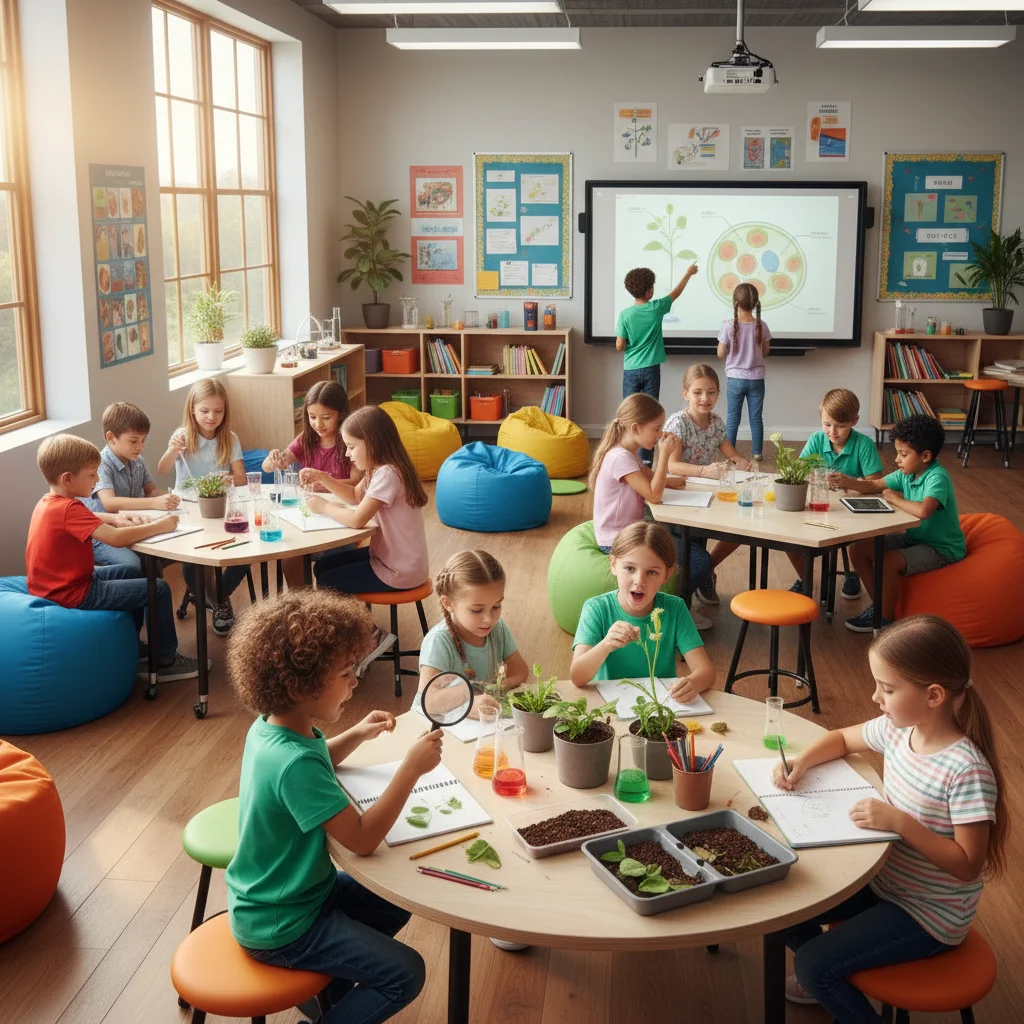
In 2026, personalized learning pathways are no longer a niche concept but a foundational element of many US schools. This trend is powered by advanced educational technologies, including adaptive learning platforms and artificial intelligence, which can assess a student’s current knowledge, identify their learning preferences, and recommend resources and activities that are specifically designed to pique their interest and support their growth. Imagine a student with a budding passion for marine biology. Instead of a generic science curriculum, their personalized pathway might incorporate virtual field trips to coral reefs, data analysis projects on ocean ecosystems, or even mentorship opportunities with local marine scientists. This direct connection to their innate curiosity transforms learning from a chore into an exciting exploration.
The Role of Technology in Personalization
Technology plays a critical role in enabling truly personalized learning at scale. Learning Management Systems (LMS) are becoming increasingly sophisticated, offering features that allow educators to differentiate instruction effortlessly. AI-powered tutors and intelligent content recommendation engines can guide students through complex topics, providing immediate feedback and adjusting the difficulty level based on their performance. This not only keeps students challenged but also prevents them from becoming overwhelmed or bored, crucial elements in sustaining curiosity.
Furthermore, data analytics are being used to identify patterns in student engagement and learning outcomes. Educators can then use these insights to refine personalized pathways, ensuring that they remain relevant and effective. This continuous feedback loop is essential for optimizing the learning experience and ensuring that curiosity-driven learning is genuinely impactful for every student.
Empowering Student Agency
Beyond technology, personalized learning pathways also emphasize student agency. Students are given more choice and control over what they learn, how they learn it, and how they demonstrate their understanding. This empowerment is a cornerstone of curiosity-driven learning. When students have a say in their education, they are more likely to invest themselves fully in the process. They learn to set their own goals, manage their time, and advocate for their own learning needs – invaluable skills for life beyond the classroom.
Educators in this model transition from being mere disseminators of information to facilitators and mentors. They guide students in navigating their personalized pathways, helping them connect their interests to academic content, and fostering a growth mindset. This shift requires a different set of pedagogical skills, emphasizing coaching, questioning, and fostering independent inquiry rather than direct instruction. The result is an educational environment where every student feels seen, valued, and empowered to pursue their intellectual passions.
2. AI-Powered Explorations: Augmenting Curiosity with Intelligent Tools
The second major trend revolutionizing curiosity-driven learning by 2026 is the sophisticated integration of Artificial Intelligence (AI) into educational practices. While AI has been a buzzword for some time, its application in fostering genuine curiosity and deeper learning is now reaching unprecedented levels. AI is moving beyond simple automation to become a powerful partner in the learning journey, offering personalized insights, dynamic content, and interactive experiences that were previously unimaginable.
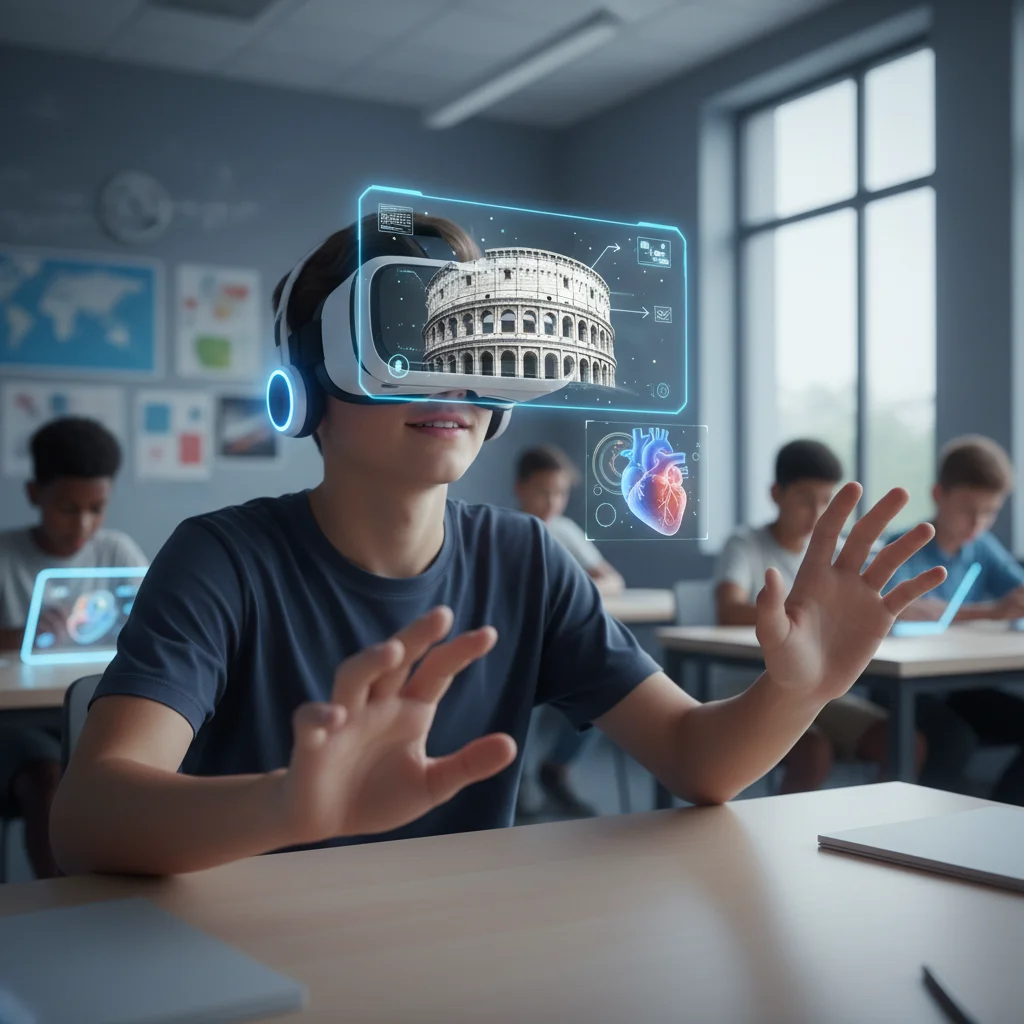
AI’s capacity to analyze vast amounts of data allows it to understand individual student learning patterns, preferences, and even emotional states with remarkable accuracy. This enables AI-powered platforms to suggest resources, projects, and lines of inquiry that are precisely aligned with a student’s emerging curiosities. For example, if a student shows a sudden interest in ancient civilizations, an AI tutor might recommend a virtual tour of the Roman Colosseum, provide curated articles on archaeological discoveries, or even connect them with a historical simulation game. This immediate and relevant response to nascent curiosity can transform a fleeting interest into a profound learning experience.
Intelligent Tutoring Systems and Adaptive Content
Intelligent Tutoring Systems (ITS) are a prime example of AI’s impact. These systems can provide one-on-one support, identifying areas where a student is struggling or excelling, and adapting the learning material accordingly. They can answer questions, offer explanations, and even pose new questions that stimulate critical thinking and further investigation. This personalized scaffolding ensures that students are always operating within their zone of proximal development, a sweet spot where learning is challenging but achievable, thus sustaining their curiosity.
Furthermore, AI can generate adaptive content dynamically. Textbooks and online resources can become living, breathing documents that adjust in real-time based on a student’s interaction. If a student breezes through a concept, the AI might present more advanced material or a related, more complex topic to maintain their engagement. Conversely, if a student struggles, the AI can offer alternative explanations, different examples, or break down the concept into smaller, more manageable parts. This dynamic adaptation is crucial for keeping curiosity alive, as it prevents both boredom and frustration.
Virtual and Augmented Reality for Immersive Exploration
Perhaps one of the most exciting applications of AI in curiosity-driven learning is its integration with virtual reality (VR) and augmented reality (AR). These technologies, powered by AI, offer immersive experiences that allow students to explore concepts in ways that traditional methods cannot. Imagine dissecting a frog in a virtual lab without any ethical concerns, walking through ancient Pompeii, or exploring the human circulatory system from within – all from the classroom. These experiences are not just engaging; they are deeply experiential, making abstract concepts tangible and fostering a profound sense of wonder and inquiry.
AI’s role in VR/AR extends to customizing these experiences based on student input and progress, making them truly personalized. For instance, an AR app could project a historical figure into the classroom, and AI could enable that figure to answer student questions dynamically, adapting their responses to the students’ level of understanding and their specific curiosities. This blend of AI and immersive technologies is creating powerful new avenues for curiosity-driven learning, allowing students to ask ‘what if’ and immediately explore the answers in rich, interactive environments.
3. Interdisciplinary Project-Based Learning: Connecting Knowledge Through Inquiry
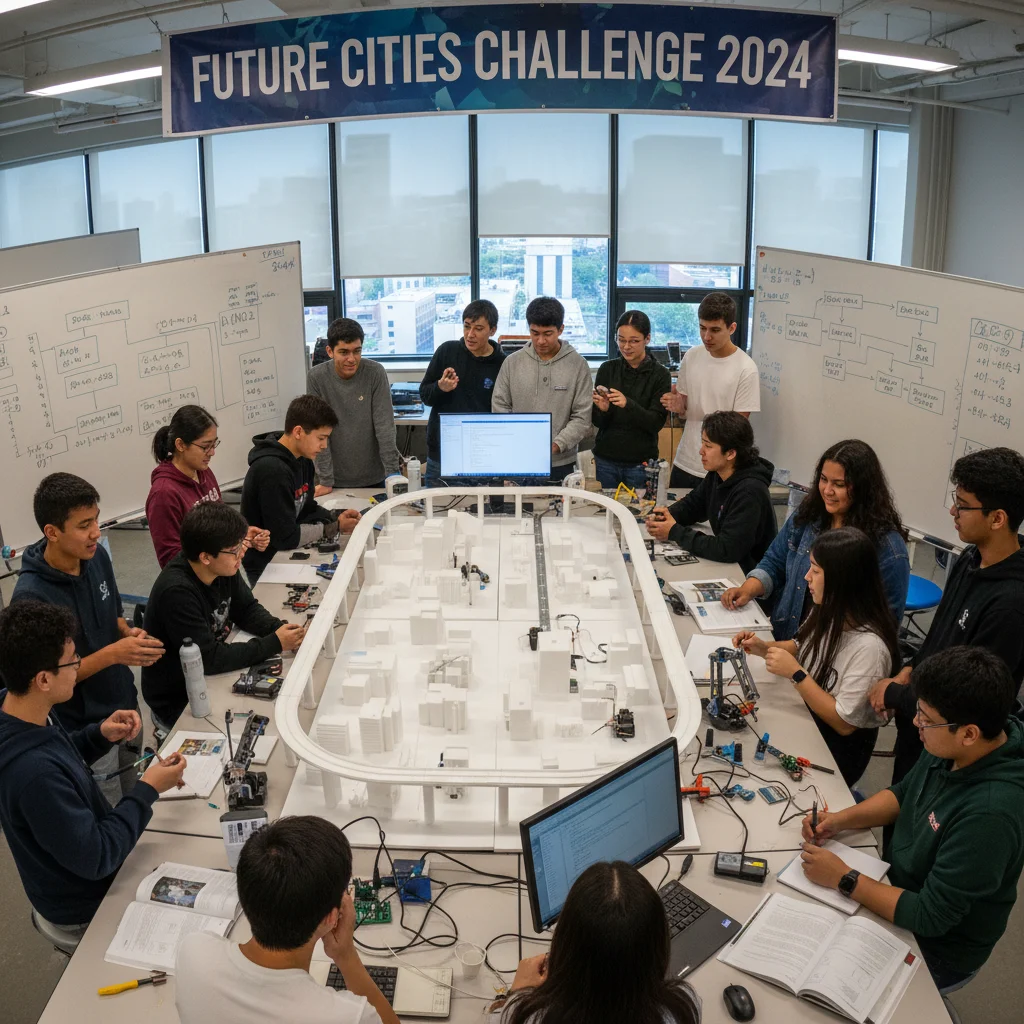
The third significant trend shaping curiosity-driven learning in 2026 is the widespread adoption of interdisciplinary project-based learning (PBL). Moving away from siloed subjects, PBL encourages students to tackle real-world problems that naturally span multiple academic disciplines. This approach is inherently curiosity-driven because it allows students to explore topics that genuinely interest them, and in doing so, they discover the interconnectedness of knowledge.
Instead of learning history, science, and literature in isolation, students might engage in a project focused on sustainable urban development. This project would require them to research historical urban planning, apply scientific principles to environmental challenges, analyze societal impacts through a sociological lens, and communicate their findings through various forms of media, drawing on their literacy skills. The driving force behind such a project is often an initial question or problem that sparks genuine curiosity – for example, ‘How can we design a city that is both environmentally friendly and socially equitable?’
Real-World Relevance and Authentic Challenges
Interdisciplinary PBL thrives on real-world relevance. When students work on authentic challenges, their motivation skyrockets. They see the direct application of their learning, which deepens their understanding and reinforces the value of their education. This contrasts sharply with traditional assignments that often feel abstract and disconnected from students’ lives. By engaging with complex, open-ended problems, students develop critical thinking, research, and problem-solving skills – all fueled by their desire to find solutions and understand the world around them.
Furthermore, interdisciplinary projects often involve collaboration, requiring students to work in teams, negotiate ideas, and leverage each other’s strengths. This fosters essential social-emotional skills, such as communication, empathy, and conflict resolution, which are vital for success in any future endeavor. The collaborative nature of these projects also allows for a diversity of perspectives, enriching the learning experience and encouraging students to consider multiple viewpoints, further stimulating their curiosity.
Fostering Deeper Understanding and Retention
One of the key benefits of interdisciplinary PBL for curiosity-driven learning is its ability to foster deeper understanding and long-term retention of knowledge. When students actively construct their own knowledge through investigation and application, rather than passively receiving it, the learning becomes more meaningful and memorable. The act of connecting different subjects around a central inquiry helps students build a more holistic and coherent understanding of the world.
For instance, a project on climate change might involve scientific data analysis, economic impact studies, historical policy review, and ethical considerations. By tackling these facets simultaneously, students gain a rich, nuanced understanding that transcends the boundaries of any single subject. This integrated approach not only satisfies their curiosity about a pressing global issue but also equips them with the intellectual tools to continue exploring and contributing to solutions throughout their lives.
4. Social-Emotional Learning (SEL) Integration: Nurturing the Whole Curious Child
The fourth critical trend in curiosity-driven learning for 2026 is the deep integration of Social-Emotional Learning (SEL) into the core curriculum. While often seen as separate from academic subjects, SEL is increasingly recognized as fundamental to fostering and sustaining curiosity. A student who feels safe, supported, and understood is far more likely to take intellectual risks, ask challenging questions, and persist in the face of difficulty – all hallmarks of a curious learner.
SEL focuses on developing five core competencies: self-awareness, self-management, social awareness, relationship skills, and responsible decision-making. These skills are not merely ‘soft skills’; they are foundational for effective learning and personal growth. When students possess strong self-awareness, they can better understand their own interests and learning styles, which directly informs their personalized learning pathways. Self-management skills enable them to regulate their emotions, manage their time, and stay motivated even when tasks are challenging, preventing frustration from stifling curiosity.
Creating Supportive Learning Environments
The integration of SEL means that schools are consciously creating learning environments that prioritize psychological safety and emotional well-being. This involves fostering strong teacher-student relationships, promoting peer collaboration, and teaching students explicit strategies for managing stress and building resilience. In such environments, students feel comfortable expressing their ideas, even if they are unconventional, and asking ‘silly’ questions without fear of judgment. This freedom to explore openly is absolutely essential for curiosity-driven learning to flourish.
Moreover, social awareness and relationship skills are vital for the collaborative, project-based learning that is becoming increasingly prevalent. When students can empathize with others, communicate effectively, and work constructively in teams, they can engage more deeply with complex interdisciplinary projects. They learn to appreciate diverse perspectives, which in turn broadens their own intellectual horizons and sparks new lines of inquiry. This interconnectedness between SEL and academic success underscores why its integration is so crucial for the future of education.
Fostering Intrinsic Motivation and Growth Mindset
SEL also plays a direct role in fostering intrinsic motivation, a key component of curiosity-driven learning. When students develop strong self-management skills, they are better able to set and pursue their own learning goals, driven by internal rewards rather than external pressures. This sense of autonomy and competence fuels their desire to learn and explore. Furthermore, SEL explicitly teaches a growth mindset – the belief that intelligence and abilities can be developed through effort and dedication. This mindset encourages students to embrace challenges, learn from mistakes, and view difficulties as opportunities for growth, rather than as obstacles to their curiosity.
By consciously nurturing the whole child – their emotional, social, and academic development – schools are creating environments where curiosity is not just tolerated, but actively celebrated and cultivated. This holistic approach ensures that students are not only acquiring knowledge and skills but are also developing the emotional intelligence and resilience needed to navigate an ever-changing world with confidence and an insatiable desire to learn.
The Future is Curious: Implications for Educators, Parents, and Policy Makers
The four trends in curiosity-driven learning – personalized learning pathways, AI-powered explorations, interdisciplinary project-based learning, and SEL integration – are collectively heralding a new era for US education in 2026. This shift is not just about adopting new tools or techniques; it’s about fundamentally changing our perception of what education is and what it should achieve. It moves us from a model focused on content delivery to one centered on fostering capabilities, nurturing passions, and preparing students to be lifelong learners and innovators.
For educators, this future demands a significant evolution of their role. Teachers will increasingly become facilitators, mentors, and guides, rather than sole sources of information. They will need to be adept at utilizing technology, designing engaging projects, and, most importantly, cultivating a classroom culture that values inquiry, risk-taking, and collaboration. Professional development will be critical in equipping teachers with the skills and mindset necessary to thrive in this new educational paradigm.
Parents also have a vital role to play. Understanding and supporting curiosity-driven learning means encouraging their children’s questions, providing opportunities for exploration outside of school, and fostering a home environment that celebrates discovery and learning from mistakes. It also involves advocating for these progressive educational approaches within their local school districts, recognizing that a focus on curiosity will ultimately better prepare their children for the complexities of the future.
Policy makers, at both state and national levels, must continue to champion and invest in these transformative trends. This includes funding for technology infrastructure, supporting teacher training initiatives, and developing assessment methods that move beyond standardized tests to evaluate deeper learning, critical thinking, and social-emotional growth. Policies should encourage flexibility and innovation, allowing schools to experiment with new models of curiosity-driven learning and share best practices.
Ultimately, the goal of curiosity-driven learning is to empower every student to become an active, engaged, and enthusiastic learner. By embracing personalized pathways, leveraging AI, promoting interdisciplinary projects, and integrating SEL, US education in 2026 is set to create a generation of individuals who are not only knowledgeable but also inquisitive, adaptable, and passionate about making a positive impact on the world. The future of learning is bright, and it is undeniably curious.