
How to Implement the ‘Single-Tasking’ Approach to Increase Focus by 30% This Year
In a world constantly vying for our attention, the concept of multitasking has long been lauded as the pinnacle of productivity. We pride ourselves on juggling multiple responsibilities, responding to emails while on a call, and planning our next day during a meeting. However, a growing body of evidence, both scientific and anecdotal, suggests that this approach might be doing more harm than good. Instead, the power of master single-tasking is emerging as the true key to unlocking unprecedented levels of focus, efficiency, and ultimately, success.
This year, imagine increasing your focus by a remarkable 30%. This isn’t a pipe dream; it’s an achievable reality when you consciously choose to adopt and master the single-tasking approach. This comprehensive guide will delve deep into what single-tasking truly entails, why it’s more effective than multitasking, and provide you with actionable strategies to integrate it seamlessly into your daily routine. Prepare to reclaim your attention, enhance your cognitive performance, and achieve a deeper sense of accomplishment.
The Multitasking Myth: Why We’re Getting It Wrong
Before we explore the benefits of single-tasking, it’s crucial to understand why multitasking, despite its popular appeal, is often a detriment to our productivity and mental well-being. Multitasking, at its core, is the act of attempting to perform two or more tasks simultaneously. While it might feel like we’re being incredibly efficient, what we’re actually doing is rapidly switching between tasks. This phenomenon is known as ‘context switching’, and it comes with a hefty cognitive cost.
Every time you switch from one task to another, your brain has to reorient itself. It needs to recall information related to the new task, disengage from the previous one, and then ramp up its focus. This process isn’t instantaneous; it consumes mental energy, time, and reduces cognitive efficiency. Studies have shown that constant context switching can lead to a significant drop in productivity, sometimes as much as 40%. It also increases the likelihood of errors, reduces our ability to retain information, and contributes to increased stress and mental fatigue.
Think about it: are you truly writing a detailed report while simultaneously engaging in a meaningful conversation, or are you merely doing both poorly? The answer, more often than not, is the latter. The illusion of productivity that multitasking offers is a powerful one, but it’s an illusion nonetheless. To truly master single-tasking, we must first dismantle this ingrained belief.
Understanding the Power of Single-Tasking
Single-tasking, by contrast, is the deliberate act of dedicating your full, undivided attention to one task at a time until it is completed, or until a designated break point. It’s about immersing yourself completely in the present moment and the task at hand, free from the pull of other demands. This focused approach allows your brain to operate at its optimal level, leading to several profound benefits:
- Enhanced Focus and Concentration: When your brain isn’t constantly jumping between activities, it can delve deeper into the task, identifying nuances and making connections that would otherwise be missed. This builds your ‘focus muscle’ over time.
- Improved Quality of Work: With undivided attention, the quality of your output naturally improves. You make fewer mistakes, develop more creative solutions, and produce more thoughtful and thorough work.
- Increased Efficiency and Productivity: While it might seem counterintuitive, single-tasking often leads to faster completion times. By eliminating the overhead of context switching, you move through tasks more smoothly and effectively.
- Reduced Stress and Mental Fatigue: The constant mental juggling of multitasking is exhausting. Single-tasking, on the other hand, provides a sense of calm and control, reducing anxiety and preserving your mental energy.
- Greater Satisfaction and Sense of Accomplishment: Completing a task with full attention brings a deeper sense of satisfaction than merely getting things ‘done’ while scattered. You feel more accomplished and less overwhelmed.
- Better Memory and Learning: When you focus intensely on new information, your brain is better able to process, encode, and retrieve it. This makes single-tasking an invaluable tool for learning and skill development.
The goal is not to do less, but to do what you do with greater intention and effectiveness. To truly master single-tasking is to unlock a new paradigm of productivity and mental clarity.
Strategies to Master Single-Tasking and Boost Your Focus
Transitioning from a multitasking mindset to a single-tasking champion requires conscious effort and the implementation of specific strategies. Here’s how you can begin your journey to increase your focus by 30% this year:
1. Designate Focus Blocks
The most fundamental step is to schedule dedicated blocks of time for single-tasking. These are periods where you commit to working on only one task, free from interruptions. Start with shorter blocks, say 25-30 minutes (like the Pomodoro Technique), and gradually increase them as your focus improves. During these blocks, silence notifications, close unnecessary tabs, and communicate your unavailability to colleagues if possible.
Actionable Tip: Use a timer to enforce your focus blocks. When the timer starts, your sole mission is the designated task. When it rings, take a short break before starting another block or switching tasks.
2. Prioritize Ruthlessly with the "One Big Thing"
Before you even start your day, identify your "One Big Thing" (OBT) – the most important task that, if completed, would make your day a success. Dedicate your first single-tasking block to this OBT. This ensures that your most critical work gets your freshest and most focused attention. By tackling your OBT first, you build momentum and reduce the mental burden of having it loom over you all day.
Actionable Tip: At the end of each workday, identify your OBT for the following day. Write it down. This pre-planning reduces decision fatigue and allows you to hit the ground running with a clear focus.
3. Eliminate Digital Distractions Proactively
Our digital devices are perhaps the biggest culprits when it comes to breaking our focus. To master single-tasking, you must become a master of digital distraction management.
- Turn off notifications: This includes email, social media, news alerts, and even many app notifications on your phone and computer.
- Close unnecessary tabs: Keep only the tabs directly relevant to your current task open. Browser extensions can help manage this.
- Use "Do Not Disturb" modes: Activate these features on your phone and computer during focus blocks.
- Consider app blockers: Tools like Freedom or Cold Turkey can temporarily block distracting websites and apps.
- Place your phone out of sight: Even the presence of your phone can be a distraction. Put it in a drawer or another room.
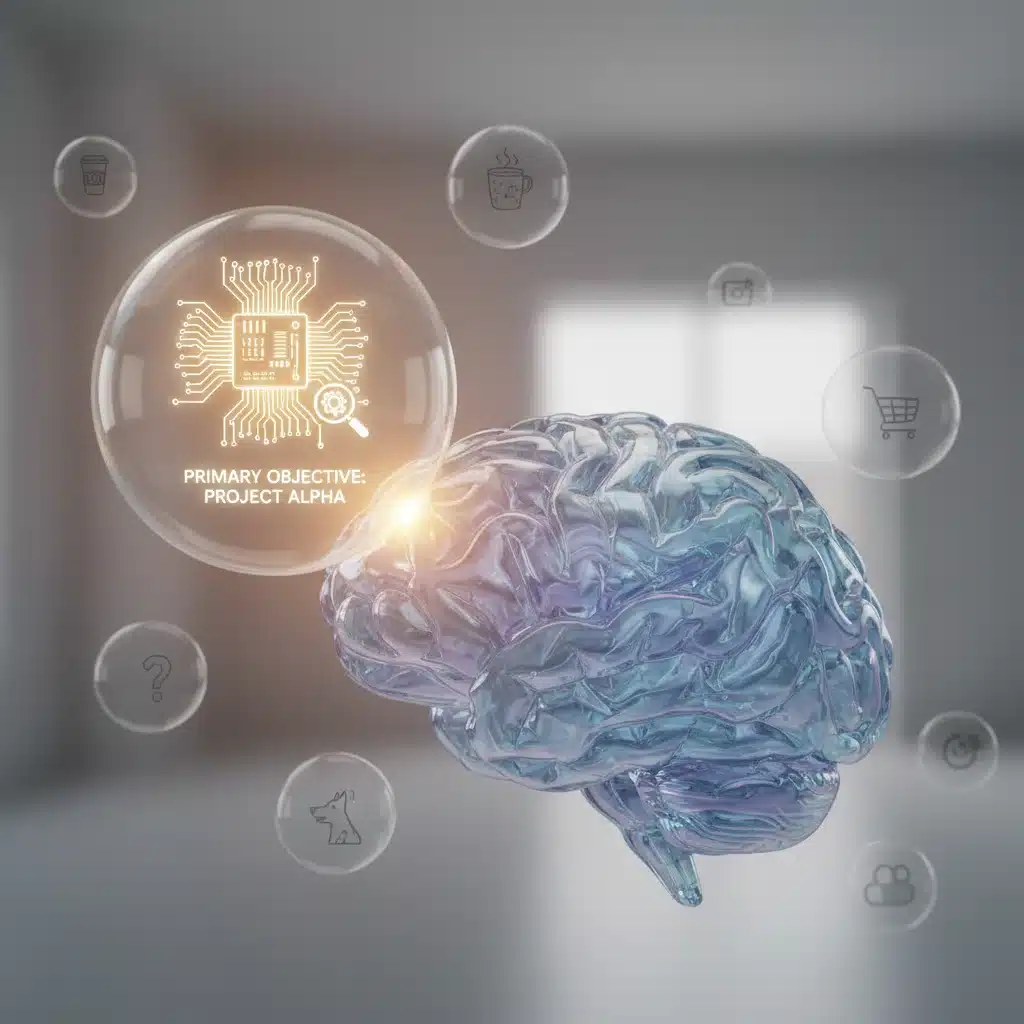
4. Create a Conducive Environment
Your physical environment plays a significant role in your ability to focus. A cluttered desk often leads to a cluttered mind. Ensure your workspace is tidy, organized, and free from visual distractions.
- Declutter your desk: Keep only essential items within reach.
- Minimize noise: Use noise-canceling headphones if you’re in a noisy environment. White noise or instrumental music can also help.
- Optimize lighting: Good lighting reduces eye strain and helps maintain alertness.
5. Practice Mindful Transitions
When moving from one task to another, don’t just jump. Take a brief moment to consciously close out the previous task and mentally prepare for the next. This could involve a quick stretch, a few deep breaths, or jotting down any lingering thoughts from the previous task so they don’t intrude on the new one.
Actionable Tip: Before starting a new single-tasking block, take 60 seconds to review what you’re about to do and gather all necessary resources. This small ritual helps prime your brain for focused work.
6. Batch Similar Tasks
While the core principle is single-tasking, there’s an exception for similar, low-cognitive-load tasks. For example, responding to emails, making quick phone calls, or processing invoices can often be batched together into a single "admin block." This prevents these smaller tasks from constantly interrupting your deep work and allows you to dedicate a specific time to them.
7. Embrace the "Done for Now" Mindset
Perfectionism can be a silent killer of productivity. When you’re single-tasking, aim for "done for now" rather than absolute perfection, especially for initial drafts or less critical components. This helps you complete tasks within your designated focus blocks and prevents you from getting bogged down in endless tweaking.
8. Regular Breaks and Self-Care
You can’t sustain intense focus indefinitely. Regular breaks are not a luxury; they are essential for maintaining cognitive function and preventing burnout. Step away from your screen, move your body, hydrate, and give your mind a chance to rest and recharge. This is crucial for your ability to master single-tasking over the long term.
Actionable Tip: Schedule short breaks (5-10 minutes) after every 25-50 minutes of focused work, and a longer break (30-60 minutes) every 2-3 hours.
9. Practice Mindfulness and Meditation
Mindfulness is the practice of being present and fully engaged in the current moment. This skill directly translates to single-tasking. Regular mindfulness or meditation practices can train your brain to resist distractions and bring your attention back to the task at hand more effectively.

Overcoming Common Single-Tasking Challenges
Adopting single-tasking won’t be without its hurdles. Here are some common challenges and how to overcome them:
- The Urge to Multitask: This is a deeply ingrained habit for many. When you feel the pull to switch tasks, acknowledge it, but gently redirect your attention back to your current task. It gets easier with practice.
- Fear of Missing Out (FOMO): The fear that you’re missing out on important emails or messages can be powerful. Trust that your designated check-in times will suffice, and most things are not truly urgent.
- Interruptions from Others: Clearly communicate your single-tasking blocks to colleagues, family, or housemates. Use signals like a "do not disturb" sign or headphones. Politely explain that you’ll be available at a specific time.
- Difficulty Estimating Task Time: This improves with practice. Start by overestimating, and keep a log of how long tasks actually take. This will make your focus blocks more effective.
- Boredom or Disengagement: If a task is genuinely tedious, break it down into smaller, more manageable chunks. Reward yourself after completing each chunk. Sometimes, boredom is a sign that your brain is resisting deep work, and pushing through it can lead to breakthroughs.
Measuring Your Progress and Sustaining the Habit
To truly increase your focus by 30% this year, it’s important to track your progress and make single-tasking a sustainable habit.
- Journaling: Keep a journal of your single-tasking blocks. Note what worked well, what distracted you, and how you felt. This self-reflection is invaluable.
- Track Productivity Metrics: While not always perfect, you can monitor the completion rate of your "One Big Thing" or the number of focused blocks you achieve each day.
- Seek Feedback: If applicable, ask colleagues or managers if they’ve noticed an improvement in your work quality or efficiency.
- Celebrate Small Wins: Acknowledge your efforts and successes. Every successfully completed single-tasking block is a victory.
- Be Patient and Persistent: Rome wasn’t built in a day, and neither is a new habit. There will be days when you slip. Don’t get discouraged. Simply acknowledge it and recommit to your single-tasking practice the next day.
The journey to master single-tasking is not about perfection, but about consistent, incremental improvement. Each time you choose focus over distraction, you strengthen your ability to concentrate and unlock more of your cognitive potential.
The Long-Term Benefits of Becoming a Single-Tasking Master
Beyond the immediate gains in productivity and focus, embracing single-tasking offers profound long-term benefits that extend to all areas of your life:
- Enhanced Creativity and Problem-Solving: Deep, uninterrupted focus allows your mind to wander productively, making novel connections and fostering innovative solutions. When you’re not constantly switching gears, your brain has the space to engage in true creative thought.
- Improved Mental Clarity and Decision-Making: With less cognitive clutter, your mind becomes clearer, enabling you to make more informed and confident decisions. The stress of constantly fragmented attention dissipates, leaving room for calm, rational thought.
- Deeper Learning and Skill Acquisition: Whether you’re learning a new language, mastering a musical instrument, or acquiring a complex professional skill, sustained, single-minded attention is the bedrock of effective learning. Information is absorbed more thoroughly and retained for longer.
- Greater Presence in Personal Life: The ability to focus extends beyond work. When you’re truly present with loved ones, fully engaged in a hobby, or simply enjoying a quiet moment, you experience life more richly. Single-tasking trains your brain to be present, which is invaluable for personal relationships and overall well-being.
- Reduced Burnout and Increased Resilience: By managing your attention and energy more effectively, you significantly reduce the risk of mental exhaustion and burnout. Single-tasking fosters a sense of control over your work and your time, contributing to greater resilience in the face of challenges.
- A Sense of Flow: When you consistently engage in single-tasking, you’ll more frequently experience a state of "flow" – a deeply immersive and enjoyable experience where you are fully absorbed in an activity. This state is highly conducive to peak performance and personal satisfaction.
By making the deliberate choice to master single-tasking, you are not just improving your work habits; you are fundamentally reshaping your relationship with attention, time, and ultimately, your own potential.
Conclusion: Your Path to 30% More Focus Begins Now
The promise of increasing your focus by 30% this year might sound ambitious, but it is entirely within your grasp through the disciplined application of single-tasking principles. In an age of relentless digital stimulation and the glorification of busyness, choosing to focus on one thing at a time is a radical act of self-care and a powerful strategy for personal and professional growth.
Start small, be consistent, and be patient with yourself. Implement the strategies outlined in this guide – designate focus blocks, prioritize your "One Big Thing," eliminate digital distractions, and cultivate a conducive environment. Overcome challenges with mindful persistence, and remember to celebrate your progress along the way. As you consistently practice single-tasking, you’ll not only notice a significant boost in your productivity and the quality of your work but also a profound improvement in your mental clarity, well-being, and overall satisfaction with life.
This year, make a conscious decision to break free from the multitasking trap. Embrace the calm, power, and effectiveness of single-tasking. Your journey to deeper focus, greater accomplishment, and a more present life starts today. Are you ready to master single-tasking and transform your year?