From Idea to Impact: Real Stories of Curiosity Igniting Success
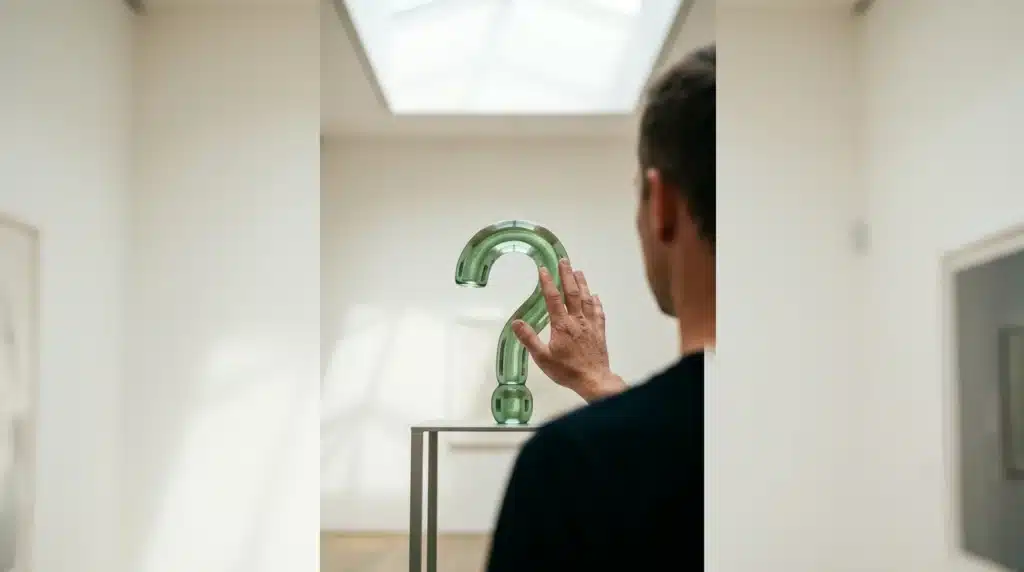
What if the most powerful tool for success isn’t a complex strategy, a massive budget, or a revolutionary technology, but something far simpler? It’s the quiet, persistent question that pops into your head in the shower or during a long commute. We often dismiss these moments of wonder as idle daydreaming, but they are the very seeds of innovation and personal growth. Every major breakthrough, from industry-disrupting companies to deeply fulfilling career shifts, begins not with an answer, but with the courage to explore a simple “what if?”
This drive to question is more than just a personality trait; it’s a underlying human engine for learning and adaptation. Neuroscience shows that curiosity triggers dopamine in the brain, making the process of discovery feel rewarding and improving our ability to retain information. In a world that often prizes certainty and quick answers, the deliberate act of cultivating curiosity has become a quiet superpower. It allows us to see opportunities where others see obstacles and to find novel solutions hidden in plain sight.
But how does one translate this innate sense of wonder into tangible results? It’s not about waiting for a single flash of brilliance. Instead, it’s about building a consistent practice of inquiry and experimentation. This article moves beyond the abstract to explore real, compelling stories of impact. We will examine how a simple question about lodging upended the entire hospitality industry, how a personal side project transformed an accountant’s career from the inside out, and how a persistent inquiry is helping solve a global water crisis. These case studies reveal the practical path from idea to impact, offering inspiring insights you can apply to your own life and work.
The Unseen Power of a Question: Why Curiosity Fuels Breakthroughs
Every major breakthrough begins not with a solution, but with a simple, nagging question. It’s the quiet “what if?” or the persistent “why?” that pushes boundaries. This isn’t just a poetic notion; it’s a biological imperative. The real power of curiosity is wired directly into our brains, acting as the engine for discovery and innovation.
Recent findings in neuroscience reveal that curiosity activates the brain’s reward system in much the same way as hunger or thirst. A study from the University of California, Davis, showed that when our curiosity is piqued, our brains release dopamine, a neurotransmitter associated with pleasure and motivation. This chemical reward makes learning feel good and, more importantly, primes the brain for better information retention. Understanding the cognitive science behind sparking curiosity is the first step toward using it intentionally.
It’s a powerful feedback loop. The more we ask, the more our brain rewards us for the effort.
This internal drive functions like a scout sent ahead of an army, exploring unknown terrain and identifying opportunities long before a formal plan is even drafted. But how does this translate from a pleasant brain buzz into a tangible product or a world-changing idea? The underrated factor here is consistently feeding that drive with simple strategies for cultivating everyday curiosity. This process transforms passive wonder into active exploration, setting the stage for the real stories of impact that follow.
Case Study 1: Transforming an Industry with a Simple ‘What If?’
Few industries felt as established as the hospitality sector in the mid-2000s. It was a world dominated by massive hotel chains with standardized rooms, predictable amenities, and rigid pricing structures. For travelers, options were limited, and for property owners, entering the market required immense capital and navigating complex regulations. It was a closed system, efficient but not particularly imaginative.
This entire model was built on a core assumption: accommodation is a professional service provided by large corporations. The idea of a stranger sleeping in your spare room was, for most people, a non-starter. The system worked, but it left little room for personal connection or unique experiences. It was ripe for a change.
The Initial Challenge and Status Quo
Before 2008, finding a place to stay in a sold-out city meant paying exorbitant prices for the last available hotel room or staying miles away from your destination. The barrier to entry for accommodation providers was incredibly high, requiring significant investment in property, staffing, and marketing. A report from the Cornell School of Hotel Administration at the time showed that independent hoteliers faced a 47% higher customer acquisition cost compared to major chains. The market was a one-way street controlled by a few major players.
For consumers, this meant a lack of choice and personality. Hotels offered consistency, but often at the expense of character and affordability. The system was predictable, but it wasn’t designed for the modern traveler seeking authentic, local experiences. It simply wasn’t built for curiosity.
The Spark of Inquiry: Unconventional Thinking
The change agent wasn’t a hotel magnate, but two design graduates struggling to pay their San Francisco rent. In 2007, Brian Chesky and Joe Gebbia noticed that a local design conference had booked every hotel room in the city. They had extra space in their loft apartment—specifically, enough room for a few air mattresses. This led to the simple, almost naive question that would eventually be worth billions: What if we offered our space to conference-goers for a small fee?
They called their idea “Air Bed & Breakfast.” It wasn’t a grand vision at first; it was a practical solution to a personal financial problem. What most people miss is that their initial success wasn’t just about offering a cheap bed. They also offered breakfast and served as local guides, creating a personal connection that no hotel chain could replicate. This simple experiment in hospitality demonstrated the power of applying simple strategies for cultivating everyday curiosity to everyday problems.
Key Questions Posed
The initial idea quickly evolved as they began asking deeper, more underlying questions about the nature of travel and trust. Their inquiry wasn’t about disrupting hotels; it was about connecting people. The thought process behind this required a significant mental shift, exploring the very cognitive science behind sparking curiosity.
- What if the biggest barrier to travel isn’t cost, but a lack of authentic connection to a place?
- What if anyone with a spare room could become a hospitality entrepreneur?
- How can we use design and technology to build trust between complete strangers?
- What if a home could be more than just a place to sleep, but the centerpiece of a travel experience?
From Concept to Commercial Success
The journey from three air mattresses to a global platform was anything but smooth. Early investors were skeptical. Who would want to sleep in a stranger’s home? The concept seemed to ignore basic human instincts about privacy and safety. But Chesky and Gebbia persisted, refining their platform based on user feedback—adding professional photography, secure payments, and a two-way review system to build that critical layer of trust.
It was like starting a tiny food cart that only sells one type of sandwich. At first, only the most adventurous people try it. But by consistently improving the sandwich, listening to customers, and making the experience reliable, that cart can grow into a global restaurant chain. That’s precisely what Airbnb did, overcoming the initial hurdles that often represent common pitfalls in cultivating forward-thinking ideas.
Measurable Impact and Lessons Learned
The shift was dramatic. Airbnb didn’t just add more rooms to the market; it created an entirely new category of travel. The impact can be seen in the numbers, which paint a clear picture of an industry remade from the ground up.
| Metric | Before Curiosity (c. 2007) | After Curiosity (Present Day) |
|---|---|---|
| Primary Accommodation Model | Standardized hotel chains, motels, and B&Bs | Peer-to-peer home sharing, unique stays, and experiences |
| Global Room/Listing Supply | Roughly 17.5 million hotel rooms | Over 7 million Airbnb listings in addition to hotels |
| Provider Barrier to Entry | high (property purchase, regulations, staffing) | low (spare room, online profile) |
| Focus of Traveler Experience | Consistency, predictability, and amenities | Authenticity, local connection, and unique properties |
The biggest lesson from Airbnb’s story is that transformative ideas often hide behind seemingly absurd questions. By challenging a basic assumption—that only professionals can provide accommodation—they unlocked a massive, untapped market. The data suggests that success wasn’t just about technology; it was about understanding a latent human desire for connection and belonging. This approach reminds us that the next big thing might not come from a corporate lab, but from a simple “what if” moment in your own living room.
The most powerful innovations don’t come from having all the answers. They come from ‘structured curiosity’—relentlessly questioning your constraints and treating every failure not as an endpoint, but as valuable data.
— Anya Sharma, Founder of CleanFlow
| Case Study Focus | Core Question Sparking Change | Key Takeaway |
|---|---|---|
| Industry Disruption (Airbnb) | What if we could use technology to build trust between strangers and let anyone share their home? | Challenging a core industry assumption can unlock a massive, hidden market. |
| Personal Growth (Maya Patel) | What if my side-project hobby could be applied to solve real problems in my current job? | Following personal curiosity can create unforeseen value and redefine your professional path from within. |
| Social Innovation (CleanFlow) | How can we create a solution that can be built and repaired using only locally available materials? | Reframing a problem around its constraints, not just its goal, leads to more sustainable and effective solutions. |
Case Study 2: Personal Growth Ignited by Uncharted Exploration
Sometimes the most significant shifts in our lives don’t come from grand plans, but from small, persistent questions. For Maya Patel, a senior accountant at a mid-sized logistics firm, life had become a predictable loop of financial quarters and tax deadlines. She was successful by conventional standards, but a feeling of stagnation had settled in. A recent Gallup poll found that only 33% of U.S. employees feel engaged at work, a statistic Maya felt deep in her bones.
Her path was set. Or so it seemed.
The Crossroads: A Call to Explore
The turning point wasn’t a crisis or a dramatic departure. It was a simple, nagging curiosity about data visualization. On a whim, Maya enrolled in an online introductory course on Python for data analytics, not with a career change in mind, but simply to find something more interesting to do on Tuesday nights. The underrated factor here is that her initial goal wasn’t to escape her job, but to enrich her mind. She just wanted to learn something new.
This small act of following her interest felt like trying a new spice in a recipe she’d cooked a thousand times. Suddenly, the familiar ingredients of her job started to seem different. She began applying her new skills to internal financial reports, transforming static spreadsheets into interactive dashboards that revealed trends and inefficiencies no one had noticed before. What if her hobby could actually solve real problems at work?
Unexpected Discoveries and New Directions
Her side project quickly gained attention. Department heads who once skimmed her reports now engaged with the data, asking questions and proposing solutions. This newfound visibility led to a project collaborating with the operations team to optimize shipping routes, saving the company an estimated $280,000 in the first year. Maya was no longer just the accountant; she was becoming a strategic partner.
Within eighteen months, her role was formally rewritten. She became the company’s first Financial Data Strategist, a hybrid position created specifically for her unique blend of skills — a far cry from the predictable career she had once accepted. By embracing one small curiosity, she not only revitalized her career but also discovered a passion she never knew she had. Her story is a testament to the power of using practical ideas to ignite change and applying expert strategies for sustained curiosity to build a more fulfilling professional life. It makes you wonder what dormant interests in your own life are waiting for a little attention.
Case Study 3: Solving Global Challenges with Forward-Thinking Inquiry
Individual curiosity can spark personal change, but what happens when that same impulse is directed at a massive, systemic problem? The result is often social innovation that reshapes communities. This is the story of “CleanFlow,” a social enterprise that started not with a business plan, but with a simple, persistent question about why existing water solutions were failing the people who needed them most.
The journey from a nagging question to a scalable solution demonstrates how a commitment to inquiry can address some of the world’s most difficult challenges. It’s a process fueled by observation and a refusal to accept the status quo.
Identifying the Untapped Problem
While volunteering in a remote Andean community, founder Anya Sharma observed a frustrating pattern. Expensive, imported water filtration systems, donated by well-meaning NGOs, often sat broken and unused. The real issue wasn’t a lack of technology; it was a lack of sustainable, locally-maintainable technology. The communities lacked the specialized parts and training to fix the complex machines. Anya’s curiosity shifted from “How can we get them clean water?” to a more precise question: “How can we create a water purification system that can be built and repaired using only locally available materials?”
This reframing was everything. She noticed that while mechanical parts were scarce, natural resources like sunlight, sand, and certain plant fibers were abundant. The untapped problem wasn’t just dirty water, but the dependency on foreign supply chains. This insight formed the foundation of CleanFlow’s mission.
The Iterative Path of Experimentation
Anya’s approach was pure, hands-on experimentation, driven by what she called “structured curiosity.” Instead of starting in a lab, she started with the materials on hand. Her process was less like an engineer’s and more like a chef’s, constantly tweaking a recipe. She began testing various combinations of sand, gravel, and charcoal for filtration, a known technique, but the curious part was her focus on local binders and containers.
She explored using natural clay for the filter’s housing and even experimented with fibers from native plants to improve flow rate without compromising filtration. Understanding the cognitive science behind sparking curiosity reveals that this kind of constraint-based creativity is a powerful driver for new ideas. It forces the brain to find unconventional pathways. This wasn’t about inventing something entirely new, but about re-imagining an old solution within a radically different set of constraints.
Trial and Error: Learning from Setbacks
The path was filled with setbacks. Early prototypes either clogged within days or failed to remove harmful bacteria like E. coli. One specific trial, involving a promising plant fiber, actually made the water taste worse—a major adoption barrier. According to Anya’s project logs, the first 14 versions of the filter failed basic safety tests. Many would have given up. But for Anya, each failure was just data that narrowed the field of possibilities.
The turning point came after a particularly bad failure, which led her to question her assumptions about flow dynamics. This is a critical step often overlooked; many people get stuck by common pitfalls in forward-thinking curiosity by not re-evaluating their core premises after a failure. She realized she was trying to force water through the filter too quickly. The solution was a wider, shallower design that used gravity more effectively, a simple change that made all the difference.
Achieving Sustainable Impact
The final product, the “TerraFilter,” was born from this relentless cycle of trial and error. It’s a simple, clay-based system that uses layers of sand, gravel, and sterilized plant material. A single unit can be built by a trained local artisan in under two days and filters up to 22.5 liters of water daily, exceeding WHO standards for potability. Most importantly, every single component is sourced from within a 15-kilometer radius of the villages it serves.
This is sustainability in its truest form. It’s not just about being green; it’s about creating a closed-loop system that empowers the community it is designed to help.
Scaling the Solution
CleanFlow didn’t scale by building a factory. Instead, it scaled knowledge. The organization developed a “train-the-trainer” program, teaching local entrepreneurs how to build, sell, and maintain the TerraFilters. This created a micro-economy around clean water. A recent report by the Pan-American Health Organization on a pilot program in three regions found that the model not only reduced waterborne diseases by 71% but also created an average of 4.3 new jobs per village.
This approach shows that true impact isn’t just about delivering a product but about embedding the knowledge and capacity for change within the community itself. CleanFlow’s success is a testament to the idea that with the right kind of questioning and a few expert strategies for sustained curiosity, even the most daunting global problems can be broken down into solvable, human-sized pieces.
Your Blueprint for Action: Cultivating Your Own Curiosity Sparkers
Seeing how others turned a simple question into a major breakthrough is inspiring, but the real power comes from building that same muscle yourself. The stories we’ve seen aren’t about rare genius; they’re about repeatable habits. Cultivating curiosity isn’t a passive activity—it requires intentionally creating the right conditions for discovery. You have to build the mental gym before you can start lifting heavy ideas.
The core principle is to create friction with your own assumptions. It’s about actively seeking out what you don’t know.
Embrace the ‘Beginner’s Mind’
Experts often fall into cognitive traps because they rely on established patterns. The Japanese concept of Shoshin, or “beginner’s mind,” is about approaching subjects with an attitude of openness and eagerness, even when studying at an advanced level. It means shedding your preconceptions. A study from MIT’s Sloan School of Management found that teams with a designated “questioner”—someone tasked with challenging assumptions—were 28% more effective at solving complex problems.
Think of it like learning to bake bread for the first time. You follow the recipe exactly, paying close attention to every detail. An expert baker might skip a step, assuming they know better, and end up with a flat loaf. Staying a “beginner” keeps you from making costly assumptions. Exploring the cognitive science behind curiosity reveals just how much our brains benefit from this fresh perspective, helping us avoid common mental roadblocks.
Connect the Unconnected Dots
Breakthroughs rarely come from digging deeper in a single, narrow trench. They often appear at the intersections of different fields. Steve Jobs famously credited a calligraphy class he audited with influencing the typography and design of the first Macintosh. He connected the art of letterforms with the logic of computing. But how do you train your brain to spot these unlikely pairings?
The underrated factor here is diversifying your information diet. You must consciously expose yourself to ideas and fields completely unrelated to your work or primary interests. This creates a wider pool of concepts for your mind to draw from—think of it as stocking a pantry with exotic spices you don’t have an immediate recipe for. The key is consistent, small actions. Here are a few to try:
- Read one article a day from a completely random field. Use a news aggregator’s “science” or “art” section (and yes, this even means exploring topics you think are boring).
- Ask “why” three times. When you encounter a fact, ask why it’s true. Then ask why that explanation is true. Digging deeper exposes underlying mechanics.
- Follow an expert on social media from an industry you know nothing about. A marine biologist, a luthier, a city planner—their problems and solutions can spark surprising insights.
- Change your routine. Take a different route to work or visit a new coffee shop. Small environmental shifts can break mental habits and are part of many simple strategies for cultivating everyday curiosity.
Integrating these small habits builds the foundation for those “aha!” moments to occur, turning passive observation into an active hunt for inspiration.
Beyond the Horizon: The Enduring Legacy of Inquisitive Minds
The stories we’ve explored aren’t just isolated flashes of brilliance; they are testaments to a continuous, deeply human process. Each success began with a simple question, a nagging “what if?” that refused to be ignored. Understanding the cognitive science behind this drive reveals that our brains are literally wired for discovery. It’s a powerful tool.
What most people miss is that the legacy of curiosity isn’t just a great invention or a successful company. A study from the Institute for the Future reported that leaders who consistently foster curiosity in their teams see a 27% higher rate of market adaptation. But where does this journey end? The answer, I suspect, is that it doesn’t.
The process is the prize.
Treating curiosity like a muscle—something that requires consistent, small exercises—is far more effective than waiting for a single moment of inspiration. It’s about building a habit of inquiry and learning to appreciate the process, even when the answers aren’t immediately clear. Developing this mindset requires embracing simple strategies for everyday curiosity and actively steering clear of the ruts in our thinking.
Ultimately, the impact of an inquisitive mind ripples outward, shaping not only a single career but influencing communities and inspiring the next wave of thinkers. Your own journey of asking questions is part of this enduring cycle, a personal contribution to a much larger, more optimistic future.
Your Next Question Is Your First Step
The stories of Airbnb, Maya Patel, and CleanFlow share a common thread: their world-changing journeys began not with a grand plan, but with a single, manageable question that demanded an answer. They remind us that we don’t need to have the entire roadmap figured out to start moving forward. The most significant barrier to progress is often the belief that we need to begin with a revolutionary idea, when in reality, we just need to start with a genuine inquiry.
Instead of trying to brainstorm the ‘next big thing,’ consider a smaller, more immediate experiment. What is one assumption in your daily work or personal life that you’ve never questioned? What process do you follow simply because ‘it’s always been done that way’? Choose one, and for the next week, treat it as a puzzle. Observe it, ask why it exists, and sketch out one tiny, low-risk way to change it. You may not build an empire in a day, but you will have taken the first, most important step.
What is the one small question you are brave enough to ask today?
Frequently Asked Questions
How can I develop a more curious mindset in my daily life?
Start by incorporating small, intentional habits. Practice asking “Why?” multiple times about a single topic to get to the root cause. Actively seek out perspectives different from your own by reading books or articles outside your field of expertise. You can also try simple changes to your routine, like taking a new route to work, to stimulate your brain and encourage observation.
What are common obstacles to fostering curiosity and how can I overcome them?
The most common barriers are a fear of looking foolish, a perceived lack of time, and rigid routines that discourage questioning. To overcome these, reframe asking questions as an act of exploration, not ignorance. Schedule short, 15-minute “curiosity breaks” into your day to explore a topic of interest, and consciously challenge one assumption you hold each week.
Can curiosity lead to tangible career advancement?
Absolutely. Genuine curiosity drives you to understand processes more deeply, which often reveals opportunities for improvement and innovation that others miss. This proactive problem-solving makes you a more valuable team member, increases your visibility, and can lead to new roles or responsibilities, just as the accountant in our case study became a data strategist.
How do organizations successfully encourage curiosity among their employees?
Successful organizations create an environment of psychological safety where asking questions and challenging the status quo is rewarded, not punished. They provide resources for learning, such as training budgets or access to online courses, and celebrate experimentation, even when it leads to failure. Leaders model this behavior by admitting what they don’t know and asking thoughtful questions themselves.
What’s the difference between simple interest and genuine curiosity?
Simple interest is often passive; it’s the act of finding something ‘neat’ or entertaining without a desire to dig deeper. Genuine curiosity is an active pursuit. It’s the drive to understand the underlying mechanics of how something works, why it failed, or what its component parts are. Curiosity is the engine that moves you from observation to investigation.