The 2026 Curiosity Compass: Navigating New Discoveries for Optimal Brain Performance
The 2026 Curiosity Compass: Navigating New Discoveries for Optimal Brain Performance
As we navigate the ever-evolving landscape of health and wellness, the quest for optimal brain performance 2026 is more prominent than ever. The human brain, a marvel of biological engineering, continues to reveal its secrets through relentless scientific inquiry and technological innovation. In 2026, we stand at the precipice of breakthroughs that promise to redefine our understanding of cognitive function, memory, focus, and emotional regulation. This comprehensive guide will explore the cutting-edge discoveries, emerging technologies, and practical strategies that will shape how we approach brain health and cognitive enhancement in the coming year and beyond. Understanding these trends is not just for neuroscientists; it’s for anyone looking to unlock their full mental potential and maintain cognitive vitality throughout their lives.
The Dawn of Personalized Neuro-Optimization for Brain Performance 2026
The concept of ‘one size fits all’ is rapidly becoming obsolete in many fields, and cognitive health is no exception. In 2026, personalized neuro-optimization will take center stage, leveraging advancements in genetics, epigenetics, and individual biometric data to create bespoke strategies for enhancing brain performance 2026. This involves a multi-faceted approach, moving beyond generic advice to tailor interventions that are uniquely suited to an individual’s neurobiological profile. Imagine a future where your daily routine, dietary choices, and even your work environment are optimized based on real-time data from your brain, leading to unparalleled levels of focus, creativity, and mental resilience. This level of personalization is becoming increasingly accessible, moving from the realm of science fiction to tangible reality.
Genomic Insights and Brain Health
Our genetic makeup plays a significant role in our cognitive predispositions, susceptibility to neurological conditions, and even our response to various interventions. By 2026, affordable and comprehensive genomic sequencing will allow for a deeper understanding of individual genetic variations that impact brain function. This information can then be used to identify specific nutrient deficiencies, recommend targeted supplements, or even predict an individual’s optimal learning style. For instance, knowing if you have a gene variant that affects dopamine metabolism could guide recommendations for specific types of exercise or cognitive tasks that naturally boost dopamine levels, thereby improving focus and motivation. This is a powerful tool for proactive brain health management.
Epigenetics: The Influence of Lifestyle on Gene Expression
Beyond our fixed genetic code, epigenetics explores how our environment and lifestyle choices can influence gene expression without altering the underlying DNA sequence. In the context of brain performance 2026, this means that even if you have a genetic predisposition to certain cognitive challenges, lifestyle modifications can positively alter how those genes are expressed. Research in 2026 will further elucidate the specific epigenetic markers that respond to diet, exercise, stress management, and sleep, providing actionable insights into how we can ‘turn on’ genes that promote neuroplasticity and ‘turn off’ those associated with cognitive decline. This empowers individuals to take an active role in shaping their cognitive destiny.
Biometric Data and Real-Time Neurofeedback
Wearable technology continues to advance at an astonishing pace. In 2026, expect to see more sophisticated devices capable of monitoring brain activity (EEG), heart rate variability (HRV), sleep cycles, and even subtle changes in neurotransmitter levels through non-invasive means. This real-time biometric data can be fed into AI-powered platforms that provide instant feedback and personalized recommendations. For example, if your brainwaves indicate a dip in focus during a work session, your device might suggest a short mindfulness exercise or a specific type of auditory stimulation to help you regain concentration. This continuous feedback loop allows for dynamic adjustment of cognitive strategies, ensuring optimal brain performance 2026 throughout the day.
Technological Frontiers: AI, Neurotech, and Digital Therapeutics
The intersection of artificial intelligence, neuroscience, and advanced technology is creating a new era of cognitive enhancement. These tools are not just for diagnostics; they are becoming integral to daily routines, offering novel ways to train, monitor, and improve our brains.
AI-Powered Cognitive Training Platforms
Traditional brain training games are evolving. In 2026, AI algorithms will power highly adaptive cognitive training platforms that go far beyond simple puzzles. These platforms will learn your individual cognitive strengths and weaknesses, dynamically adjusting difficulty levels and types of exercises to maximize neuroplasticity and target specific cognitive domains such as working memory, executive function, and processing speed. AI will also analyze your performance patterns to identify optimal training times and durations, making cognitive enhancement more efficient and effective. This personalized approach ensures that every training session contributes meaningfully to improving brain performance 2026.
Advanced Neurofeedback and Brain-Computer Interfaces (BCIs)
Neurofeedback, which allows individuals to learn to self-regulate their brain activity, will become more refined and accessible. Consumer-grade neurofeedback devices will offer more precise measurements and user-friendly interfaces, making it easier for individuals to train their brains for states of deep focus, relaxation, or enhanced creativity. Furthermore, non-invasive Brain-Computer Interfaces (BCIs) are moving closer to mainstream adoption. While still in early stages for consumer use, by 2026, we might see BCIs assisting in focused meditation, controlling smart home devices with thought, or even providing direct neural stimulation for targeted cognitive benefits. These technologies hold immense promise for unlocking new levels of brain performance 2026.
Virtual Reality (VR) and Augmented Reality (AR) for Cognitive Rehabilitation and Enhancement
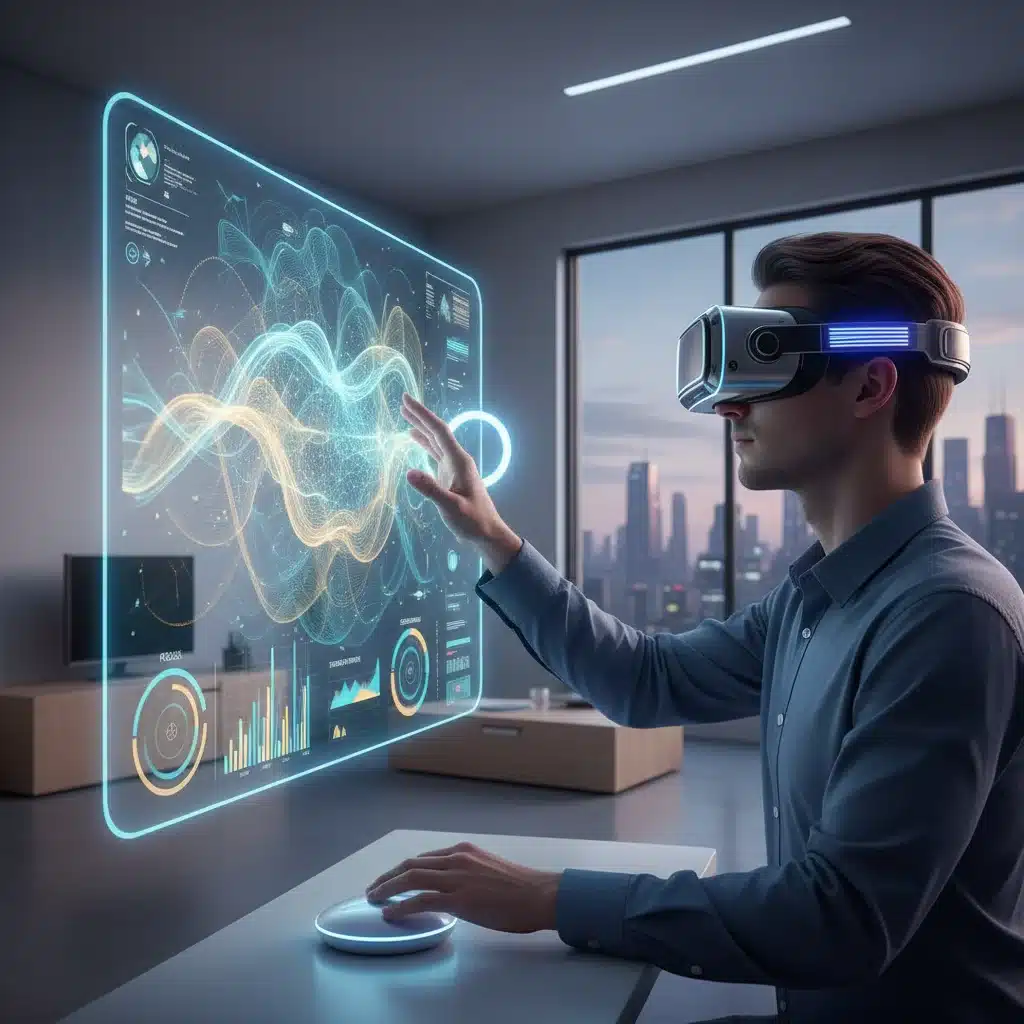
VR and AR are no longer just for gaming. In 2026, these immersive technologies will be increasingly utilized for cognitive rehabilitation, helping individuals recover from brain injuries or manage neurodegenerative conditions. Beyond rehabilitation, VR/AR will offer unique environments for cognitive enhancement, allowing users to practice complex tasks, improve spatial reasoning, or even experience simulated scenarios that build resilience and emotional regulation. Imagine a VR environment designed to improve your public speaking skills by simulating diverse audiences, or an AR app that helps you remember tasks by overlaying digital reminders onto your physical surroundings. The immersive nature of these technologies makes them powerful tools for enhancing brain performance 2026.
Digital Therapeutics for Mental Health
The convergence of technology and psychology has given rise to digital therapeutics – evidence-based software programs designed to prevent, manage, or treat a medical disorder or disease. In 2026, expect to see a proliferation of digital therapeutics specifically targeting mental health conditions like anxiety, depression, and ADHD, which significantly impact cognitive function. These apps and platforms will offer personalized cognitive behavioral therapy (CBT) modules, mindfulness exercises, and biofeedback tools, often integrated with AI coaches. By providing accessible and scalable interventions, digital therapeutics will play a crucial role in supporting overall mental well-being, which is intrinsically linked to optimal brain performance 2026.
Lifestyle Pillars for Sustained Brain Performance 2026
While technology offers exciting new avenues, the foundational pillars of brain health remain crucial. In 2026, our understanding of how diet, sleep, exercise, and social connection impact the brain will be even more refined, allowing for more targeted and effective lifestyle interventions.
Nutrition: Fueling the Brain with Precision
The brain is a remarkably energy-intensive organ, and its performance is directly linked to the quality of its fuel. In 2026, nutritional science will emphasize a more personalized approach, moving beyond general dietary guidelines. Expect a greater focus on:
- Gut-Brain Axis: The intricate connection between gut microbiota and brain function will be a major area of research. Understanding how specific probiotics, prebiotics, and fermented foods influence neurotransmitter production and inflammation will lead to targeted dietary recommendations for improved mood and cognition.
- Nutrigenomics: Tailoring dietary intake based on an individual’s genetic profile to optimize nutrient absorption and utilization for brain health. This might involve specific recommendations for omega-3 fatty acids, B vitamins, or antioxidants based on genetic predispositions.
- Personalized Supplementation: Moving away from generic multi-vitamins towards targeted supplementation based on blood tests, genetic markers, and lifestyle factors to address specific deficiencies that impact cognitive function.
- Brain-Boosting Foods: Continued emphasis on whole, unprocessed foods rich in antioxidants (berries, dark chocolate), healthy fats (avocado, nuts, olive oil), and complex carbohydrates for sustained energy.

Sleep: The Ultimate Brain Reset
The critical role of sleep in memory consolidation, waste removal (glymphatic system), and cognitive restoration cannot be overstated. In 2026, advancements in sleep tracking technology and neuroscience will provide deeper insights into optimizing sleep for peak brain performance 2026. This includes:
- Personalized Sleep Hygiene: AI-powered apps will analyze sleep patterns, environmental factors, and daily activities to provide highly personalized recommendations for improving sleep quality, such as optimal bedtime, ideal bedroom temperature, and light exposure.
- Targeted Sleep Interventions: Research into specific sound frequencies, light therapy, and even gentle neurostimulation during sleep cycles to enhance memory consolidation and restorative processes will gain traction.
- Understanding Sleep Stages: A greater emphasis on optimizing the duration and quality of different sleep stages (REM, deep sleep) for specific cognitive benefits.
Exercise: A Powerful Neuro-Enhancer
Physical activity is one of the most potent ways to boost brain health. In 2026, the focus will shift towards understanding the optimal types and intensities of exercise for specific cognitive benefits. Beyond general cardiovascular health, research will highlight:
- High-Intensity Interval Training (HIIT): Its role in promoting Brain-Derived Neurotrophic Factor (BDNF), a protein crucial for neurogenesis and synaptic plasticity.
- Coordination and Balance Exercises: How activities like dance, yoga, and martial arts enhance motor skills, spatial awareness, and cognitive processing.
- Exercise Timing: Optimizing exercise schedules to align with circadian rhythms and maximize cognitive benefits throughout the day.
Mindfulness and Stress Management: Cultivating Mental Resilience
Chronic stress is detrimental to brain health, impairing memory, focus, and executive function. In 2026, mindfulness practices and stress management techniques will be increasingly integrated into daily routines, supported by technology and neuroscience. This includes:
- Biofeedback-Enhanced Mindfulness: Using wearable sensors to provide real-time feedback on physiological stress indicators (heart rate, skin conductance) during mindfulness exercises, helping individuals learn to regulate their stress response more effectively.
- Neuroscience-Informed Meditation: Developing meditation protocols specifically designed to target brain regions associated with emotional regulation, attention, and cognitive flexibility.
- Digital Stress Reduction Programs: AI-powered apps offering personalized stress reduction techniques, guided meditations, and cognitive restructuring exercises to build mental resilience and improve brain performance 2026.
Social Connection and Cognitive Reserve
Humans are inherently social creatures, and social interaction plays a vital role in maintaining cognitive vitality. Research in 2026 will further underscore the importance of meaningful social connections in building cognitive reserve – the brain’s ability to cope with damage without showing clinical signs of impairment. Engaging in social activities, learning from others, and maintaining strong interpersonal relationships stimulate various brain regions, promoting neuroplasticity and protecting against cognitive decline. Expect to see more community-based initiatives and technology-assisted platforms designed to foster genuine social engagement for brain health.
The Ethical Landscape of Brain Performance 2026
As we delve deeper into enhancing brain performance 2026, ethical considerations become paramount. The ability to significantly alter cognitive function raises important questions about equity, accessibility, safety, and societal implications. Discussions around ‘cognitive doping,’ privacy of neural data, and the potential for a cognitive divide will intensify. It will be crucial for policymakers, scientists, and the public to engage in thoughtful dialogue to ensure that these powerful technologies are developed and utilized responsibly, for the benefit of all humanity. Ensuring equitable access to these advancements will be a significant challenge and an important goal for the coming years.
Conclusion: Embracing the Future of Brain Performance
The year 2026 promises to be a pivotal one for brain health and cognitive enhancement. From personalized neuro-optimization driven by genomic insights and real-time biometric data to revolutionary AI-powered cognitive training and neurotech devices, the tools available to us for improving brain performance 2026 are becoming increasingly sophisticated. However, these technological marvels must be complemented by a steadfast commitment to the foundational pillars of brain health: nutrition, sleep, exercise, stress management, and social connection. By integrating these scientific advancements with holistic lifestyle choices, we can unlock unprecedented levels of cognitive function, foster greater mental resilience, and ensure our brains thrive in an increasingly complex world. The journey to optimal brain performance is a continuous one, and 2026 marks an exciting new chapter in this profound exploration of the human mind.