Curiosity and Learning Breakthroughs: 4 Scientific Discoveries 2026
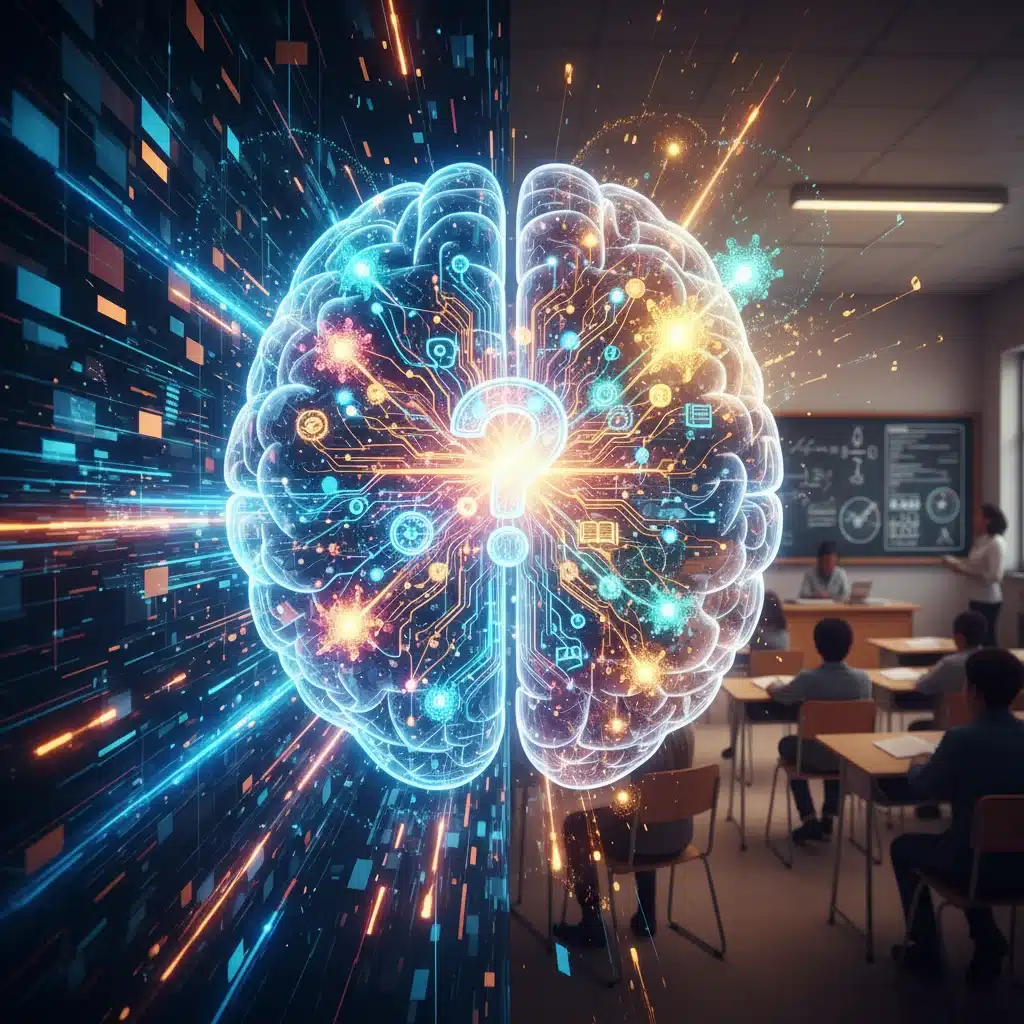
In an era defined by rapid technological advancement and an ever-expanding universe of information, the human capacity for curiosity and learning stands as our most invaluable asset. As we hurtle towards 2026, the scientific community is on the cusp of unveiling groundbreaking discoveries that promise to redefine our understanding of how we acquire knowledge, foster intrinsic motivation, and unlock unprecedented cognitive potential. These aren’t just incremental improvements; they are paradigm-shifting curiosity learning breakthroughs that will reshape education, personal development, and even the very fabric of society.
For centuries, the mechanisms behind curiosity and learning have fascinated philosophers and scientists alike. From ancient Greek inquiries into the nature of knowledge to modern cognitive psychology, we’ve steadily peeled back layers of complexity. However, the confluence of advanced neuroscience, artificial intelligence, and sophisticated data analytics is now accelerating this pace of discovery exponentially. The year 2026 is poised to be a landmark year, with several key scientific advancements reaching maturity, promising to transform how we approach learning from early childhood to advanced professional development.
The Dawn of a New Era: Understanding Curiosity Learning Breakthroughs
The journey to comprehending how humans learn and why we are inherently curious is a complex one, involving intricate biological, psychological, and environmental factors. Recent years have seen significant strides, particularly in neuroimaging techniques that allow us to observe the brain in action, and in computational models that simulate learning processes. However, 2026 is expected to bring a convergence of these fields, leading to unprecedented curiosity learning breakthroughs. These advancements are not merely academic; they have profound implications for educational methodologies, therapeutic interventions for learning disabilities, and even the design of future intelligent systems.
The driving force behind these expected breakthroughs is a multi-disciplinary approach. Neuroscientists are collaborating more closely with educators, AI developers are working hand-in-hand with cognitive psychologists, and geneticists are providing insights into the foundational blueprints of our learning capabilities. This holistic perspective is crucial because curiosity and learning are not isolated phenomena; they are deeply intertwined processes influenced by a myriad of internal and external stimuli. Understanding these interconnections is key to harnessing their full potential.
Breakthrough 1: Advanced Neural Plasticity Manipulation for Enhanced Learning
One of the most anticipated curiosity learning breakthroughs for 2026 revolves around our enhanced ability to understand and, to some extent, manipulate neural plasticity. Neural plasticity, the brain’s ability to reorganize itself by forming new neural connections throughout life, is the bedrock of all learning. While we’ve known about its existence for decades, 2026 is projected to see significant advancements in non-invasive techniques to optimize these processes.
Researchers are developing sophisticated brain-computer interfaces (BCIs) and targeted neuro-stimulation methods that, unlike previous iterations, are highly precise and personalized. These technologies, still in early clinical trials and ethical review, aim to gently encourage specific neural pathways to strengthen or weaken, thereby facilitating faster acquisition of new skills or rehabilitation from cognitive impairments. Imagine a future where personalized neuro-feedback loops, guided by AI, can help students struggling with attention focus more effectively, or assist individuals in rapidly mastering a new language by optimizing their brain’s natural learning rhythms.
The ethical implications are, of course, a significant part of the ongoing discussion. However, the potential for individuals to overcome learning barriers, accelerate skill development, and maintain cognitive agility throughout their lifespan is immense. This breakthrough isn’t about creating ‘super-brains’ but about leveling the playing field and empowering every individual to reach their full cognitive potential by fine-tuning their inherent neural machinery. The focus is on enhancing natural processes, not overriding them, making this one of the most exciting curiosity learning breakthroughs on the horizon.
Breakthrough 2: Hyper-Personalized AI Tutors Driven by Emotional Intelligence
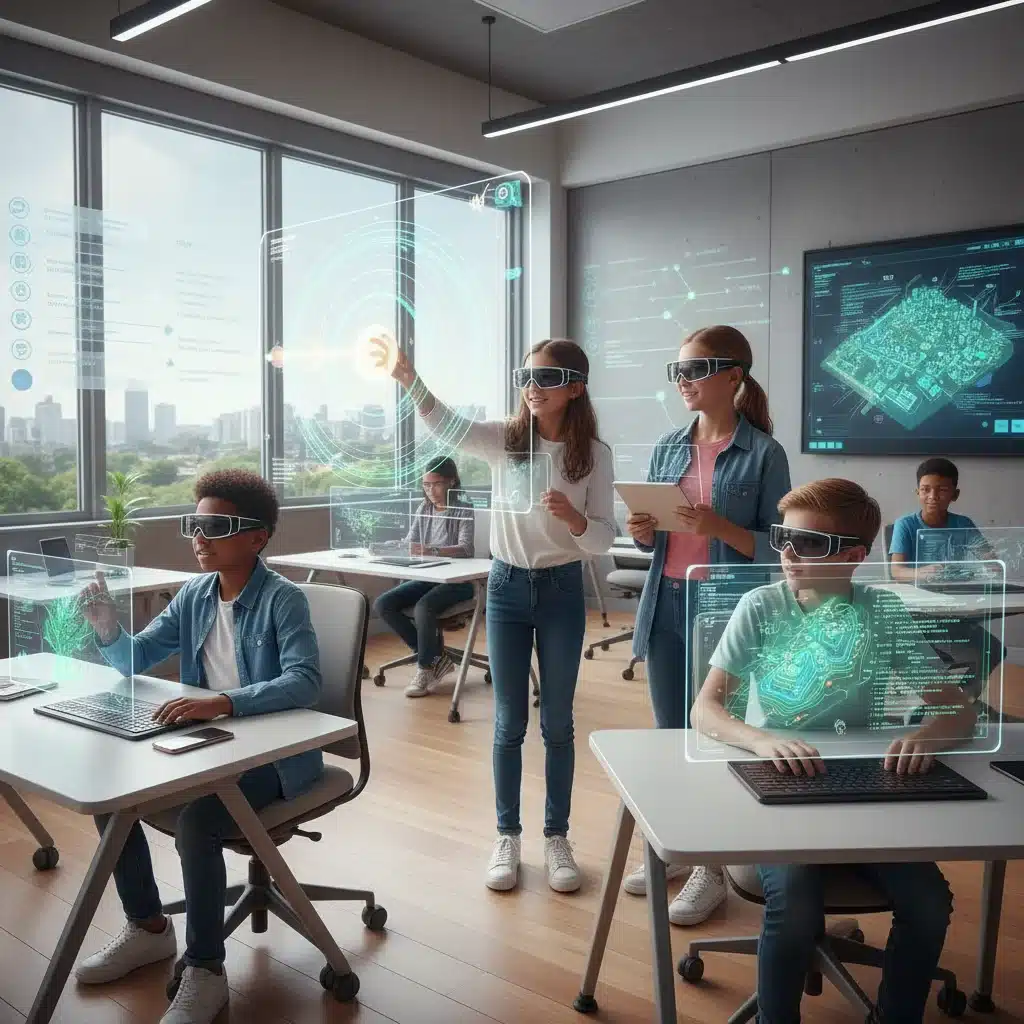
The integration of Artificial Intelligence into education is not new, but 2026 is expected to mark a significant leap forward with the advent of hyper-personalized AI tutors that can genuinely understand and respond to a learner’s emotional state and curiosity drivers. Previous AI systems have been effective at adapting content based on performance, but lacked the nuanced understanding of human emotion that is critical for fostering deep learning and sustained engagement.
New AI models, powered by advancements in affective computing and sophisticated natural language processing, will be able to detect subtle cues in a student’s voice, facial expressions (via camera input), and even physiological responses (through wearable tech) to gauge their frustration levels, boredom, engagement, and most importantly, their moments of genuine curiosity. When a student expresses curiosity about a tangential topic, the AI will be able to seamlessly pivot, offering relevant information and guiding them down a personalized learning path that capitalizes on their intrinsic motivation, rather than sticking rigidly to a pre-defined curriculum.
These AI tutors will act less like digital textbooks and more like highly perceptive human mentors, capable of identifying ‘teachable moments’ and tailoring their approach to maximize engagement and knowledge retention. This represents a monumental shift in educational technology, moving beyond adaptive learning to truly empathetic and curiosity-driven instruction. This is undoubtedly one of the most transformative curiosity learning breakthroughs, promising to make education more engaging and effective for everyone.
Breakthrough 3: Decoding the Genetic Basis of Curiosity and Learning Styles
While environmental factors and upbringing play a crucial role, emerging research suggests that there’s a significant genetic component to both curiosity and preferred learning styles. By 2026, we anticipate substantial curiosity learning breakthroughs in pharmacogenomics and behavioral genetics that will allow us to identify specific genetic markers associated with different cognitive strengths, learning predispositions, and even levels of inherent curiosity.
This isn’t about genetic determinism, but rather about understanding individual biological blueprints to create more effective and personalized learning environments. For example, knowing if an individual has a genetic predisposition towards visual learning versus auditory processing could allow educators and parents to tailor instructional methods from an early age, maximizing engagement and minimizing frustration. Similarly, identifying genetic markers linked to high novelty-seeking behavior (a facet of curiosity) could inform strategies to continually challenge and stimulate these individuals, preventing boredom and fostering lifelong learning.
The ethical considerations surrounding genetic information are paramount, and robust frameworks for privacy and non-discrimination will need to be in place. However, the potential for early intervention, customized educational pathways, and a deeper understanding of individual cognitive diversity is immense. This breakthrough promises to move us beyond a ‘one-size-fits-all’ approach to education, recognizing and celebrating the unique genetic tapestry that contributes to each person’s learning journey. These insights will be critical for future curiosity learning breakthroughs.
Breakthrough 4: The Role of Microbiome-Gut-Brain Axis in Cognitive Function
Perhaps one of the most surprising and rapidly evolving areas of research concerns the profound connection between our gut microbiome and brain function. By 2026, we expect significant curiosity learning breakthroughs demonstrating how the composition of our gut bacteria directly influences cognitive processes, including memory, attention, mood, and even curiosity itself.
New studies are uncovering specific microbial metabolites that can cross the blood-brain barrier and modulate neurotransmitter systems, impacting everything from synaptic plasticity to neurogenesis. This means that diet, lifestyle, and even probiotic interventions could be leveraged not just for physical health, but for optimizing cognitive performance and fostering a more curious and receptive mind. Imagine personalized dietary recommendations or targeted probiotic supplements designed to enhance focus, reduce learning anxiety, or boost intrinsic motivation by nurturing a healthy gut-brain connection.
This breakthrough offers a holistic, biologically-driven approach to enhancing learning capabilities that complements psychological and technological interventions. It emphasizes the interconnectedness of our entire biological system and opens new avenues for non-pharmacological interventions to support cognitive development and lifelong learning. Understanding and harnessing the microbiome-gut-brain axis will be a cornerstone of future curiosity learning breakthroughs, offering a novel perspective on how we can nourish our brains from within.
Implications of These Curiosity Learning Breakthroughs for Society
The cumulative effect of these four anticipated curiosity learning breakthroughs will be nothing short of revolutionary. Education systems, from early childhood to higher education and corporate training, will undergo profound transformations. The current model, often criticized for its rigidity and lack of personalization, will give way to dynamic, adaptive, and deeply engaging learning environments tailored to individual needs and fueled by intrinsic motivation.
For individuals, these breakthroughs promise a future where learning is less about rote memorization and more about discovery, exploration, and sustained intellectual growth. Imagine a world where learning disabilities are better understood and addressed, where individuals can continuously adapt to new challenges, and where the joy of discovery is reignited at every stage of life. The ability to foster and sustain curiosity will become a core competency, enabling individuals to navigate complex information landscapes and innovate in an ever-changing world.
Beyond education, the implications extend to workforce development, mental health, and even public policy. A society that better understands and optimizes its members’ capacity for curiosity and learning will be more resilient, innovative, and adaptable. These curiosity learning breakthroughs could lead to more effective interventions for cognitive decline, enhanced creativity across various fields, and a general uplift in human potential and well-being.
Challenges and Ethical Considerations Ahead
While the promise of these curiosity learning breakthroughs is immense, it’s crucial to acknowledge the challenges and ethical considerations that accompany such rapid scientific progress. The responsible development and deployment of technologies that interface with the brain, personalize learning based on sensitive data, or interpret genetic predispositions require careful thought and robust ethical frameworks.
Privacy concerns, data security, equitable access to these advanced learning tools, and the potential for misuse are all critical areas that demand proactive discussion and regulation. Ensuring that these breakthroughs benefit all of humanity, rather than exacerbating existing inequalities, will be a paramount challenge. Public engagement, interdisciplinary dialogue, and international cooperation will be essential to navigate these complexities and ensure that these scientific advancements are used wisely and ethically.
Moreover, the integration of such advanced technologies into educational systems will require significant investment in infrastructure, teacher training, and curriculum redesign. It’s not enough to simply have the technology; we must also cultivate the human capacity to effectively utilize and integrate these tools into meaningful learning experiences. The human element, including the role of skilled educators and supportive communities, will remain indispensable, even as technology evolves.
Looking Beyond 2026: The Future of Curiosity and Learning
The year 2026 will undoubtedly serve as a pivotal moment, marking the maturation of several key curiosity learning breakthroughs. However, this is just the beginning. The insights gained from advanced neural plasticity manipulation, hyper-personalized AI tutors, genetic decoding, and microbiome research will lay the foundation for even more profound discoveries in the decades to come.
We can anticipate a future where learning environments are seamlessly integrated into our daily lives, where personalized cognitive support is as common as fitness trackers, and where our understanding of the brain allows us to prevent, rather than just treat, many cognitive challenges. The continuous interplay between biological insights, technological innovation, and pedagogical advancements will ensure that the field of curiosity and learning remains one of the most dynamic and impactful areas of scientific inquiry.
Ultimately, these breakthroughs are about empowering individuals to become lifelong learners, to embrace challenges with an open mind, and to cultivate a deep-seated curiosity about the world around them. By understanding the intricate mechanisms that drive our desire to know and our capacity to grow, we are not just improving education; we are enhancing the very essence of what it means to be human. The future of curiosity and learning is bright, and 2026 is set to be a year where that brightness truly begins to shine.
Conclusion: Embracing the Future of Learning
The horizon of 2026 promises a landscape transformed by remarkable curiosity learning breakthroughs. From manipulating neural plasticity to fine-tune our brains for optimal learning, to engaging with AI tutors that understand our emotions and curiosities, and from unlocking the genetic predispositions of our learning styles to leveraging our gut microbiome for cognitive enhancement, the future of how we learn is more exciting and personalized than ever before. These advancements are not merely scientific curiosities; they are powerful tools that will empower individuals, revolutionize educational practices, and foster a more adaptable and innovative society.
As these discoveries transition from laboratories to practical applications, it is incumbent upon us to engage in thoughtful dialogue, establish robust ethical guidelines, and ensure equitable access to these transformative technologies. The journey to unlock the full potential of human curiosity and learning is ongoing, and 2026 will undoubtedly be a year remembered for setting new benchmarks in this incredible endeavor. The future of learning is not just about what we know, but how we come to know it, and these breakthroughs are paving the way for a more curious, intelligent, and engaged global community.