Disruptive Innovations: 7 U.S. Sectors Primed for Transformation by 2027
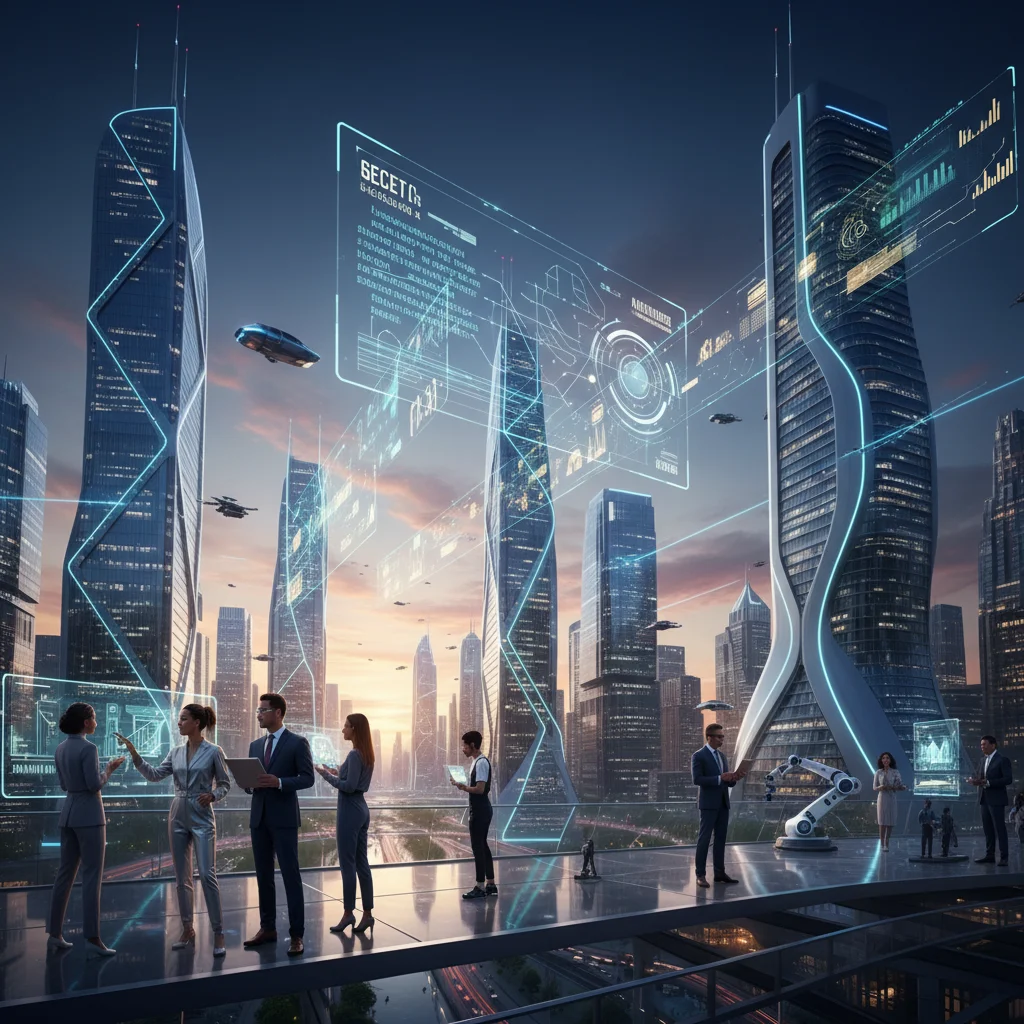
The landscape of the American economy is in a perpetual state of flux, driven by relentless technological advancements and evolving societal needs. As we look towards 2027, several key sectors are not just evolving but are on the precipice of a full-scale revolution, fueled by disruptive innovations. Understanding these impending shifts is crucial for businesses, investors, and policymakers alike to navigate the future successfully. This deep dive will explore seven U.S. sectors poised for significant US Sector Transformation by 2027, offering an insider’s perspective on the forces at play and what to expect.
Disruptive innovation, a term coined by Clayton Christensen, refers to an innovation that creates a new market and value network and eventually disrupts an existing market and value network, displacing established market-leading firms, products, and alliances. These aren’t incremental changes; they are fundamental shifts that redefine industries, create new economic opportunities, and sometimes render old models obsolete. The next few years promise an acceleration of these trends, particularly within the dynamic U.S. market.
The Urgency of Understanding US Sector Transformation
Why is it so critical to understand these transformations now? The pace of change is unprecedented. What once took decades to unfold now happens in a matter of years, if not months. Businesses that fail to adapt risk being left behind, while those that embrace these shifts can unlock immense growth and competitive advantage. For investors, identifying these burgeoning sectors early can lead to substantial returns. For the workforce, understanding these changes is vital for career planning and skill development.
Our focus on 2027 isn’t arbitrary. It represents a near-term horizon where many emerging technologies will mature and begin to exert their full disruptive force on established industries. This allows for a pragmatic analysis, moving beyond speculative long-term forecasts to examine tangible trends and imminent market impacts. Let’s delve into the sectors that will define the next chapter of US Sector Transformation.
1. Healthcare and Biotechnology: The Era of Personalized Medicine and Gene Editing
The healthcare sector in the U.S. is a behemoth, but it’s also ripe for disruption. By 2027, we anticipate a profound shift towards personalized medicine, enabled by advancements in genomics, artificial intelligence (AI), and sophisticated data analytics. Instead of a one-size-fits-all approach, treatments will be tailored to an individual’s genetic makeup, lifestyle, and environment.
Genomic Sequencing and Diagnostics
The cost of genomic sequencing continues to plummet, making it increasingly accessible. This will fuel a boom in precision diagnostics, allowing for earlier and more accurate disease detection. Companies leveraging AI to analyze vast genomic datasets will identify novel biomarkers and predict disease predisposition with unprecedented accuracy. This means proactive healthcare, moving beyond reactive treatment.
CRISPR and Gene Editing Therapies
CRISPR technology, alongside other gene-editing tools, is no longer just a laboratory marvel. By 2027, we expect to see more FDA-approved gene therapies targeting previously incurable genetic diseases. This will revolutionize how we treat conditions like cystic fibrosis, sickle cell anemia, and certain cancers. The ethical considerations are significant, but the therapeutic potential is immense, driving massive investment and innovation.
Telemedicine and Remote Patient Monitoring
While accelerated by the pandemic, telemedicine and remote patient monitoring are here to stay and will continue to evolve rapidly. Integrating AI-powered diagnostics and wearables will allow for continuous health monitoring, predictive interventions, and more efficient healthcare delivery, especially in underserved rural areas. This decentralization of healthcare will fundamentally alter the traditional clinic and hospital model.

2. Artificial Intelligence (AI) and Machine Learning (ML): The Brains Behind Every Industry
AI and ML are not just sectors; they are foundational technologies permeating every other industry, driving unprecedented levels of automation, efficiency, and intelligence across the board. By 2027, AI will be an indispensable component of most business operations in the U.S.
Generative AI and Creative Automation
Beyond current applications, generative AI, capable of creating text, images, code, and even music, will mature significantly. This will transform creative industries, content generation, software development, and even scientific research. While raising questions about human roles, it also promises to unlock new levels of productivity and innovation, reshaping job markets and skill requirements.
AI in Business Process Automation (BPA)
From customer service chatbots that handle complex queries to AI-driven supply chain optimization, BPA powered by AI will become standard. This will lead to significant cost reductions, increased operational efficiency, and a reallocation of human talent to more strategic and creative tasks. The back-office functions of many U.S. corporations will look dramatically different.
Edge AI and IoT Integration
The proliferation of Internet of Things (IoT) devices, coupled with the increasing need for real-time data processing, will drive the adoption of Edge AI. This means AI models running directly on devices, reducing latency and bandwidth requirements. Think autonomous vehicles making split-second decisions or smart factories optimizing production in real-time. This integration will create highly responsive and intelligent environments.
3. Renewable Energy and Smart Grids: Powering a Sustainable Future
The imperative for sustainable energy solutions, coupled with technological breakthroughs, is pushing the U.S. toward a rapid transition in its energy sector. By 2027, expect significant advancements in renewable energy generation, storage, and distribution.
Advanced Solar and Wind Technologies
Innovations in photovoltaic materials, offshore wind turbine design, and energy harvesting technologies will continue to drive down costs and increase efficiency. New forms of solar power, such as transparent solar cells and perovskite technology, will expand the applications of solar energy beyond traditional panels, integrating it into buildings, vehicles, and consumer electronics.
Battery Storage and Grid Modernization
The Achilles’ heel of renewable energy has traditionally been storage. However, advancements in battery technology (e.g., solid-state batteries, flow batteries) are making grid-scale energy storage more viable and affordable. This, combined with smart grid technologies that use AI to predict demand, optimize distribution, and integrate diverse energy sources, will create a more resilient, efficient, and decentralized energy infrastructure across the U.S.
Hydrogen Economy and Carbon Capture
While still nascent, the hydrogen economy is gaining traction as a clean energy carrier. By 2027, we anticipate significant investments in green hydrogen production (from renewable energy) and its application in heavy industry, transportation, and power generation. Concurrently, carbon capture, utilization, and storage (CCUS) technologies will become more efficient and scalable, playing a crucial role in decarbonizing hard-to-abate sectors.
4. Advanced Manufacturing and Robotics: The Reshoring Revolution
The U.S. manufacturing sector is experiencing a renaissance, driven by automation, advanced robotics, and digital integration. This reshoring revolution is aimed at increasing efficiency, reducing supply chain vulnerabilities, and fostering innovation domestically.
Collaborative Robots (Cobots)
Cobots, designed to work safely alongside human employees, are transforming factory floors. By 2027, their deployment will be widespread, handling repetitive or dangerous tasks, improving precision, and augmenting human capabilities. This leads to increased productivity and a safer working environment, redefining the human-machine interface in manufacturing.
Additive Manufacturing (3D Printing) at Scale
While 3D printing has been around, its industrial application is rapidly expanding. By 2027, advanced materials and larger-scale 3D printers will allow for the mass production of complex parts and customized products across industries like aerospace, automotive, and medical devices. This enables rapid prototyping, on-demand manufacturing, and significant supply chain efficiencies.
Digital Twins and Smart Factories
The concept of ‘smart factories’ – fully integrated, optimized, and connected manufacturing facilities – will move from niche to norm. Digital twins, virtual replicas of physical assets, processes, or systems, will enable real-time monitoring, predictive maintenance, and simulation of production scenarios, leading to unprecedented levels of efficiency and flexibility in U.S. manufacturing.
5. Fintech and Blockchain: Reshaping Financial Services
The financial services sector, traditionally conservative, is undergoing a profound transformation driven by fintech innovations and the burgeoning potential of blockchain technology. By 2027, these forces will have fundamentally reshaped how money is managed, transacted, and secured.
Decentralized Finance (DeFi) and Digital Assets
Beyond cryptocurrencies, the underlying blockchain technology is enabling decentralized finance (DeFi), offering services like lending, borrowing, and trading without traditional intermediaries. While regulatory clarity is still evolving, by 2027, we anticipate a more mature and integrated DeFi ecosystem, potentially challenging traditional banking models. The tokenization of real-world assets on blockchain will also gain significant traction, making illiquid assets more accessible and tradable.
AI in Financial Analytics and Fraud Detection
AI will continue to revolutionize financial analytics, providing deeper insights into market trends, risk assessment, and personalized financial advice. More importantly, AI-driven fraud detection systems will become highly sophisticated, identifying anomalies and thwarting cyber threats in real-time, significantly enhancing the security and integrity of financial transactions.
Embedded Finance and Neobanks
Embedded finance, where financial services are seamlessly integrated into non-financial platforms (e.g., buy now, pay later options at checkout), will become ubiquitous. Concurrently, neobanks – digital-only banks – will continue to gain market share by offering highly personalized, low-cost, and user-friendly financial products, forcing traditional banks to innovate or risk losing customers.
6. Sustainable Agriculture and Food Technology: Feeding the Future Responsibly
The challenge of feeding a growing global population sustainably is driving immense innovation in agriculture and food technology. By 2027, the U.S. agriculture sector will see disruptive changes aimed at increasing yield, reducing environmental impact, and enhancing food security.
Vertical Farming and Controlled Environment Agriculture (CEA)
Vertical farms, which grow crops in vertically stacked layers indoors, will continue to expand, especially in urban areas. These systems use significantly less land and water, are immune to weather fluctuations, and can produce fresh produce year-round. Advancements in LED lighting, hydroponics, and aeroponics will make CEA increasingly cost-effective and scalable.
Precision Agriculture and IoT Integration
Farmers will increasingly rely on IoT sensors, drones, and AI-powered analytics to optimize crop management. This includes precise irrigation, targeted fertilization, and early disease detection, leading to higher yields with fewer resources. Robotic farming equipment will also become more prevalent, automating tasks like planting, harvesting, and pest control.
Alternative Proteins and Cultivated Meat
The demand for sustainable protein sources is accelerating the development of alternative proteins (plant-based) and cultivated meat (grown from animal cells). By 2027, these products will have moved beyond niche markets into mainstream consumption, driven by environmental concerns, ethical considerations, and health benefits, significantly impacting the traditional meat industry.
7. Space Economy and Advanced Materials: The New Frontier
The space economy is no longer solely the domain of government agencies. Private companies are driving a new era of space exploration, manufacturing, and resource utilization, with profound implications for technology and materials science. This is a critical area for US Sector Transformation.
Commercial Space Travel and Tourism
While still in its nascent stages, commercial space travel and tourism will see significant advancements by 2027. Suborbital and orbital flights for paying customers will become more frequent, albeit still exclusive, laying the groundwork for a broader space tourism industry and inspiring new generations of engineers and scientists.
Satellite Constellations and Global Connectivity
The deployment of massive satellite constellations (e.g., Starlink, Project Kuiper) will continue at an aggressive pace, aiming to provide global broadband internet access. This will revolutionize connectivity, especially in remote areas, and enable a plethora of new applications in IoT, autonomous systems, and remote sensing, fostering economic development worldwide.
In-Space Manufacturing and Resource Utilization
The ability to manufacture goods in space, leveraging microgravity for unique material properties, and to utilize extraterrestrial resources (e.g., lunar regolith for construction) will begin to transition from theoretical to practical application. This reduces the cost of space missions and opens up entirely new industries focused on off-Earth operations and advanced materials development.
Navigating the Future of US Sector Transformation
The seven sectors highlighted above represent just a snapshot of the profound changes sweeping across the U.S. economy. Each presents both immense opportunities and significant challenges. For businesses, the key will be agility, a willingness to invest in research and development, and a culture of continuous learning and adaptation.
Strategic Imperatives for Businesses
- Embrace Digital Transformation: This is no longer optional. Integrating AI, IoT, and data analytics into core operations is essential for efficiency and competitiveness.
- Invest in Talent and Reskilling: The workforce needs to evolve with technology. Companies must invest in training programs to equip employees with the skills required for the new economy.
- Foster Collaboration: Partnerships between startups, established corporations, academia, and government will be crucial to accelerate innovation and overcome complex challenges.
- Prioritize Sustainability: Environmental, social, and governance (ESG) factors are increasingly important for consumers, investors, and regulators. Sustainable practices are not just good for the planet; they are good for business.
- Monitor Regulatory Landscapes: Emerging technologies often outpace regulation. Staying informed and engaging with policymakers will be vital to navigating the evolving legal and ethical frameworks.
Investment Opportunities in Disruptive Innovation
For investors, these sectors represent fertile ground for growth. Identifying companies that are at the forefront of these disruptive innovations, possess strong intellectual property, and have robust business models will be key. Look for:
- Startups developing cutting-edge technologies in these areas.
- Established companies that are successfully pivoting or acquiring innovative smaller firms.
- Venture capital funds and ETFs specifically focused on innovation and technology.
- Companies with strong R&D spending and a clear vision for their role in the future economy.
The period leading up to 2027 will be a defining one for the U.S. economy. The convergence of advanced technologies, shifting consumer demands, and global challenges is creating an environment ripe for radical change. By understanding and strategically engaging with these forces, we can collectively shape a more innovative, efficient, and prosperous future for the United States.
Conclusion: The Unfolding Horizon of Innovation
The journey towards 2027 promises a dynamic and transformative period for the U.S. economy. The seven sectors we’ve explored—Healthcare and Biotechnology, Artificial Intelligence and Machine Learning, Renewable Energy and Smart Grids, Advanced Manufacturing and Robotics, Fintech and Blockchain, Sustainable Agriculture and Food Technology, and the Space Economy and Advanced Materials—are not merely undergoing incremental changes; they are experiencing foundational shifts driven by disruptive innovations. These changes will redefine industries, create entirely new markets, and reshape the very fabric of how we live, work, and interact.
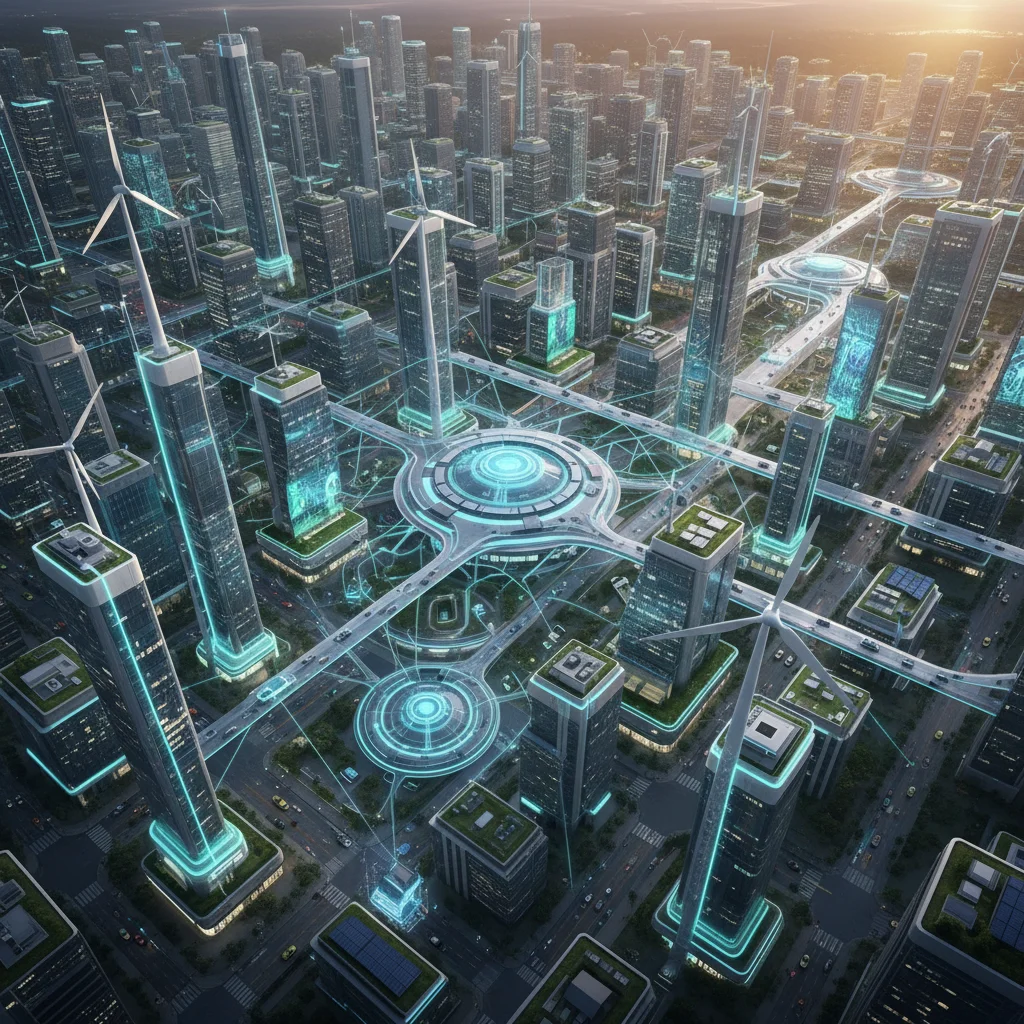
The impact of this US Sector Transformation will be far-reaching. From personalized medical treatments tailored to our genetic code to smart cities powered by clean energy and intelligent grids, from factories run by collaborative robots to financial systems secured by blockchain, and from sustainable food production to a burgeoning space economy, the future is arriving at an accelerated pace. Businesses that anticipate these changes, invest in the necessary technologies and talent, and adapt their strategies will be the ones that thrive.
For individuals, understanding these trends is equally vital. It informs career choices, encourages lifelong learning, and prepares us for the new opportunities and challenges that will emerge. The interplay between these sectors is also crucial; innovations in AI, for instance, will fuel advancements in healthcare, manufacturing, and finance, creating a synergistic effect that amplifies overall progress.
As we move closer to 2027, continuous monitoring of these sectors, coupled with a proactive approach to innovation and adaptation, will be paramount. The U.S. economy stands at the forefront of this global wave of disruption, and with the right vision and execution, it is poised to lead the world into a new era of unprecedented growth and technological achievement. The future isn’t just coming; it’s being built now, sector by sector, innovation by innovation, shaping a landscape that will be fundamentally different and, hopefully, profoundly better.